




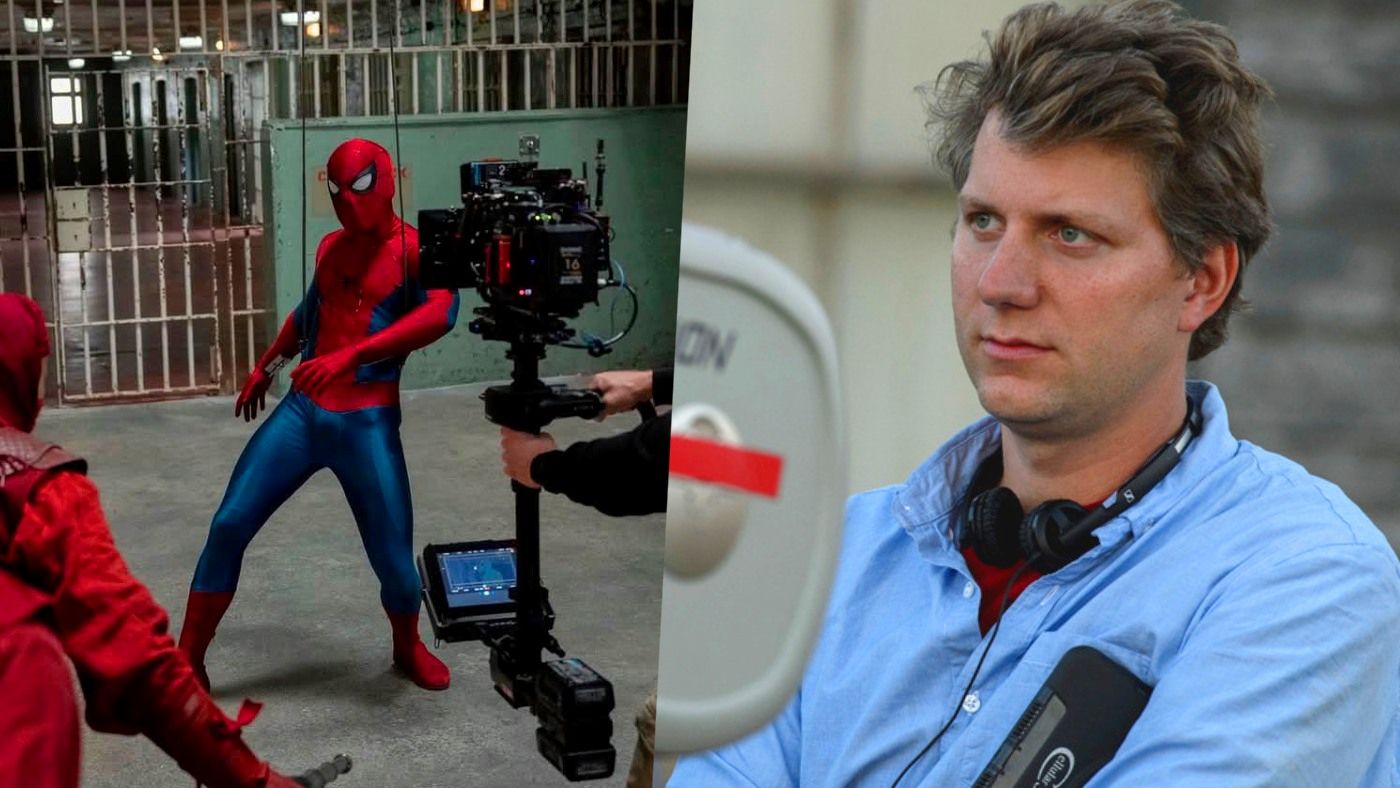
Jeff Nichols (“Mud,” “Midnight Special”), a filmmaker best known for telling Southern-set stories over his career of making character-driven features, is raising a red flag about the dwindling use of the American South as a filming location by major studios and streamers. He’s now talking up the need to keep indie and bigger movies being made in Southern states like Arkansas, as Hollywood becomes more hell-bent on moving projects out of the United States entirely to overseas locations, with costs rising and tax-incentive offerings becoming more important than ever.
Nichols, speaking with Variety on the heels of shooting his latest flick, “King Snake,” in Vancouver, British Columbia, Canada (despite being an Arkansas-set farm horror movie they simply had to shoot there out of the state of the industry), believes that after hearing from folks from Georgia that when a HUGE company like Disney started moving their massive Marvel Studios productions from Atlanta (used to be Marvel’s main production hub for ages) to London, England. The same location used for more recent event films such as “Fantastic Four,” “Spider-Man: Brand New Day” (Sony-bankrolled production made by Disney/Marvel as the latter decided to shoot in Britian) and “Avengers: Doomsday” (where “Secret Wars” and “X-Men” are expecting to film as well, at Pinewood Studios UK) it delt a “devsiating blow” to the state’s local industry (we assume the local economy is taking a big hit over the move as well).
“It’s devastating. Studios negotiate contracts with these guilds and unions, and I suppose when they make agreements that they don’t ultimately want to pay for the results if they take production elsewhere. I’ve been in Georgia, and from what I’ve heard it’s been a pretty devastating blow with Disney taking everything to London; the work there has been challenging since this last round of strikes and everything else. The thing is, American independent filmmakers do have to abide by those contracts — and they weren’t built for us. We really need to look, as an industry, at independent film production — what it provides, what it costs — and we need more flexibility in those contracts, and more flexibility from our unions and our guilds in order to make things at different price points so that as independent film producers we have a fighting chance to keep things in the U.S. The truth is, as state-based subsidies continue to change and move, that’s not enough. We have to find ways to have independent film producers stay in the United States, and it’s a massive challenge, so that in between the big studio films there’s a thriving ecosystem of film,” the filmmaker said of the current landscape of Hollywood choosing to opt out of filming in the South.
Not that surprising, as these projects cost hundreds of millions of dollars; they being pulled out means most of that money isn’t being spent in the local business, in the pockets of local tradespeople and crew members. There was an expectation that the move was due to the growing backlash over the political atmosphere of the state (anti-abortion laws and competitive tax incentives making production space a bit of a cutthroat situation), as Disney kept getting flak for spending money in a state that was harming women. Even the television division stopped working in the state, as “Daredevil: Born Again” is mainly filmed in New York City, so the use of Georgia has been minimized across the board. It doesn’t help that Marvel Studios is seemingly slowing down it’s series output. The upcoming show “VisionQuest” was shot at Pinewood in London, so Nicholas’ assessment is accurate.
The acclaimed director, alongside Kathryn Tucker, hatched a plan to launch the Arkansas Cinema Society and its film festival, Filmland, to foster a film community in Arkansas (inspired by Richard Linklater‘s similar effort in Texas). But he has an idea that has been a growing call to help all states struggling to coax business: a federal tax incentive, something that others have suggested in the past and could very well quell the issue that has seen production target countries and states that offer the best return for their spending dollars alongside inflation.
“A federal tax incentive would be a pretty fascinating thing to look at, which has been floated, that you could layer on top of state incentives. You’re competing against places that offer various tax incentives, but the reason why productions are going to these other places is because of the exchange rate and incentives, sure, but they’re not taking American crews and getting cheaper labor. So, at some point, that issue has to be addressed. Everybody needs to make a living, and inflation is crazy, but we have to find flexibility in the budget level. You have different-tiered films, and those budget levels haven’t changed in a really long time.”
I don’t think we’ve talked enough about how U.S. inflation is going to have a negative impact on how Hollywood prioritizes how they spend their dollars in the future (deep pockets or not), and we could start seeing studios tighening up those purse strings a lot sooner than most would expect and won’t be waiting for global recession announcement as we’ve seen a slew of projects big and small get snuffed out over budget issues (something that feels like a growing trend and corrleating with economic stress via infaltion and the Iran War impacting gas prices, as gasoline makes the U.S. supply chain hum, like it or not).


