


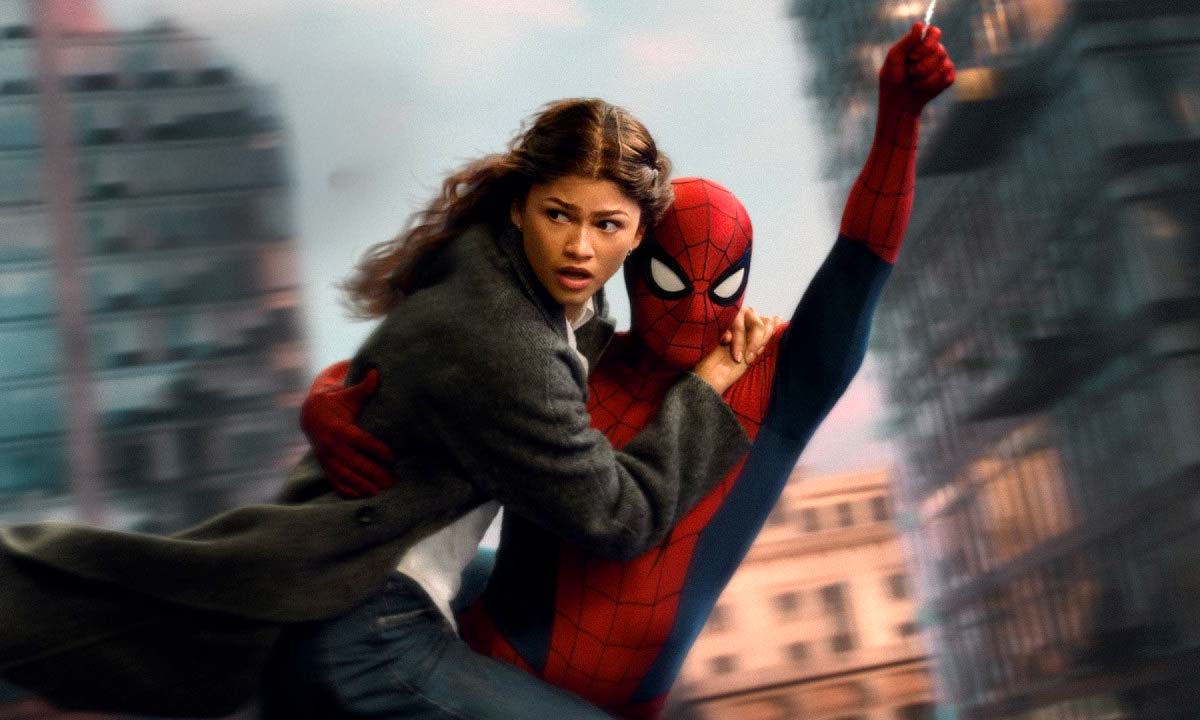
There are plenty of superpowers in “Spider-Man: Brand New Day,” and some of them are spectacular. Bodies hurtle through New York, buildings crumble, minds warp, Spider-Man tears across the skyline, and the movie creates a remarkable kinetic exhilaration in simply watching him fly around the cityscape. But for all the extraordinary abilities on display, “Brand New Day” is most interested in the human being underneath the mask and his capacity to empathize with the broken, misunderstood misfits of his world.
53 Must-See Films To Watch Summer 2026
That has always been the secret to Peter Parker. What makes him heroic isn’t only what he can do, but who he is. He cares. He sees someone in pain and instinctively wants to help, even when that person has hurt him, even when helping costs him everything. Filmmaker Destin Daniel Cretton (“Shang-Chi and the Legend of the Ten Rings,” “Short Term 12”) understands that beautifully, delivering a dark, thrilling Spider-Man chapter willing to let Tom Holland and Peter Parker bare their souls.
Picking up directly from the devastating conclusion of “Spider-Man: No Way Home,” “Brand New Day” takes Peter’s sacrifice seriously. The world still knows Spider-Man, but nobody remembers Peter Parker. Aunt May (Marisa Tomei) is gone, Ned (Jacob Batalon) and MJ (Zendaya) don’t know him, and Peter alone remembers the life they shared.
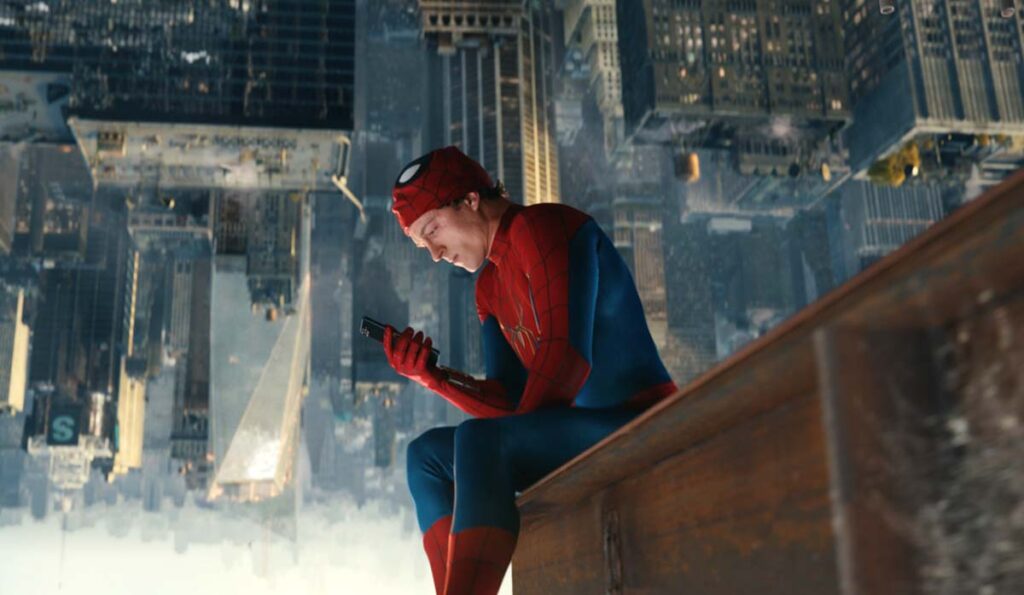
There’s a special lonely cruelty to that erasure. Peter hasn’t simply lost the people he loves; he has become the sole keeper of those relationships, burdened with memories that belong only to him. He remembers MJ as the love of his life, Ned as his best friend, and May as his moral center. Everyone else moves on without knowing what disappeared, what he lost, while Peter has to live alone with the painful truth he cannot share or offload.
At the same time, another threat is emerging in New York. A mysterious telepathic figure is manipulating ordinary people into attacking and probing the Department of Damage Control, seemingly searching for something hidden inside its heavily protected facility. Spider-Man is recruited to figure out who this person is, what they want, and why Damage Control—led by William “Bill” Metzger (Tramell Tillman)— appears to be withholding part of the truth about whatever it is protecting. The Punisher (Jon Bernthal) and Bruce Banner (Mark Ruffalo) eventually become entangled in the escalating conflict, but the mystery is best left there.
For Peter, responsibility has already become crushing. He has accepted the burden of being Spider-Man, the weight of being a hero, and now the obligation of being a person no one knows. After losing May, he made the hard choice at the end of “No Way Home”—to be forgotten— because he believed it was right, because he thought he must protect those he loves, and “Brand New Day” is honest enough to acknowledge that doing the right thing can still hurt like hell.
However, the ache of Peter missing everyone he loved hangs over the movie. It’s tremendously moving, and Holland plays it with an emotional nakedness his previous Spider-Man films only occasionally approached. Peter desperately wants his life back; he yearns for the intimacy of his old friendships and pines most deeply for MJ, longing for a closeness they once shared that now exists only in his memory. Yet he also understands that forcing himself back into their lives would complicate the sacrifice he made to protect them.
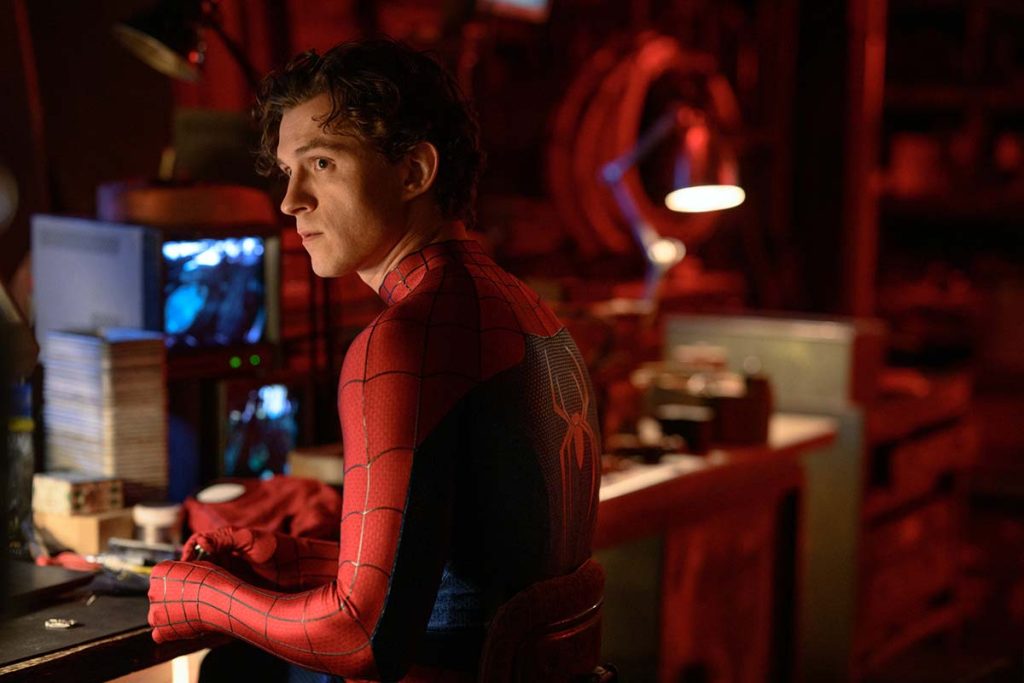
Cretton has the patience to stay with that contradiction. “Brand New Day” lets Peter’s identity crisis breathe, allows scenes to sit in sadness and uncertainty, and never treats character development as connective tissue between action sequences. It’s slow in the best way, confident enough to let Peter’s emotional life drive the story and find longing in unexpectedly light places.
There’s something beautifully funny about discovering that Ned, despite having no memory of Peter, remains obsessed enough with Spider-Man to build a spider-tracker. The gag carries a bittersweet suggestion that while Peter may have been erased from his friends’ memories, some deeper emotional imprint remains, aided by Michael Giacchino’s more stripped-down, poignant score.
Peter, meanwhile, has almost no life beyond the mask, so he buries himself in work. So, “Brand New Day” quietly becomes a story about work-life balance, community, and the danger of hiding trauma inside productivity. Staying busy isn’t coping, and Peter has to recognize that responsibility doesn’t mean cutting himself off from the people who might help him carry it.
An early montage set to TV On The Radio’s “Wolf Like Me” captures the manic energy of his new routine. Spider-Man is everywhere, fighting crime, returning home bruised and battered—with appearances by Spidey adversaries like Scorpion, Tombstone, Boomerang, etc.—then heading straight back into danger with a recklessness that borders on self-abandonment. The harder Peter disappears into Spider-Man, the less he seems to care what happens to Peter Parker.
The street-level texture makes that spiral feel immediate. This is a grungy, grimy New York Spider-Man movie, rooted in alleys, rooftops, crowded streets, cops, criminals, and a city where Spider-Man actually seems to live. The swinging sequences are remarkable, clearly absorbing some of the fluidity and physical imagination of the video games as Cretton emphasizes the visceral momentum, height, speed, and exhilaration of flying through Manhattan.
Peter’s body eventually starts rebelling against him, too. Strange episodes overwhelm his arachnid abilities, almost like anxiety attacks expressed through his Spider-Man physiology, heightening his strength and senses while making him increasingly unstable. His emotional overload becomes physical: the more Peter retreats behind the mask, the more the mask itself begins to fail him.
That connects to the film’s larger interest in the cost of having powers. Being special is a burden as much as a gift, isolating its characters and creating responsibilities they don’t always know how to bear. The familiar idea of great power and great responsibility gains renewed weight because Peter understands that power also means knowing when not to impose yourself on others, while the film’s antagonist represents what can happen when pain begins turning extraordinary ability into permission to hurt those that have hurt you.
Aunt May remains Peter’s moral center even in her absence. The world may have forgotten Peter Parker, but Peter hasn’t forgotten what May, Ned, and MJ gave him; those relationships still define the person beneath the mask.
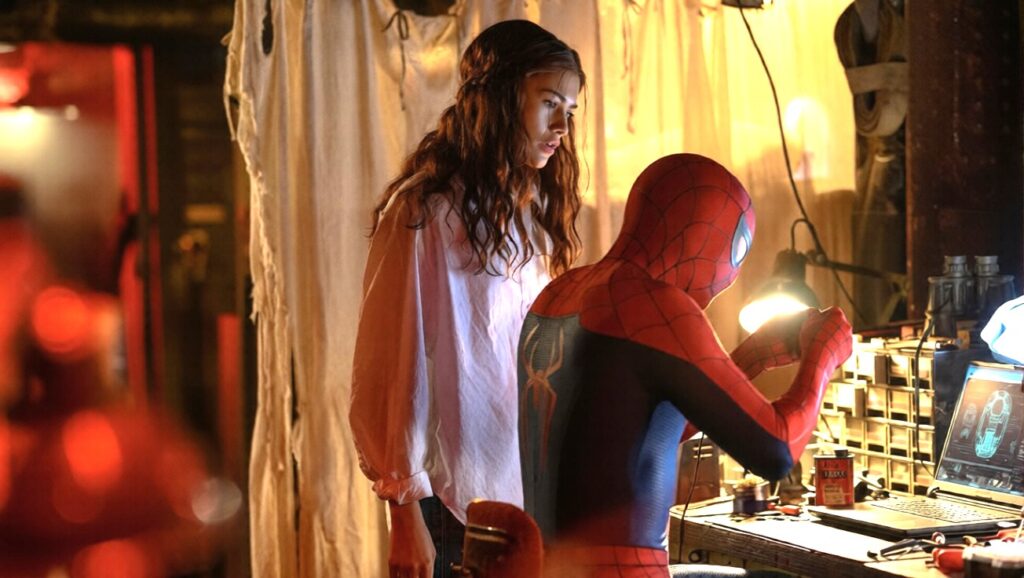
Holland is especially terrific opposite Zendaya, whose scenes together carry some of the movie’s deepest wounds. Peter remembers an entire life MJ cannot access, and sometimes simply watching him look at her is enough. He’s trying to honor a sacrifice that emotionally devastates him every day.
That vulnerability is ultimately one of the movie’s greatest strengths. Peter has convinced himself that responsibility means enduring everything alone, but “Brand New Day” gradually dismantles that belief. Peter Parker cannot disappear completely and expect Spider-Man to survive. His capacity for empathy, especially his ability to recognize someone else’s pain while drowning in his own, is one of his great human superpowers, but it grows out of the film’s larger argument for connection, community, and togetherness.
Meanwhile, none of this texture comes at the expense of spectacle. Cretton seriously ups his game from “Shang-Chi,” delivering phenomenal action sequences that are muscular, kinetic, legible, and cathartic. The Hulk material restores a frightening physicality to the character, while the Hand gives Cretton room for faster, more intricate choreography, and both sequences are dazzling.
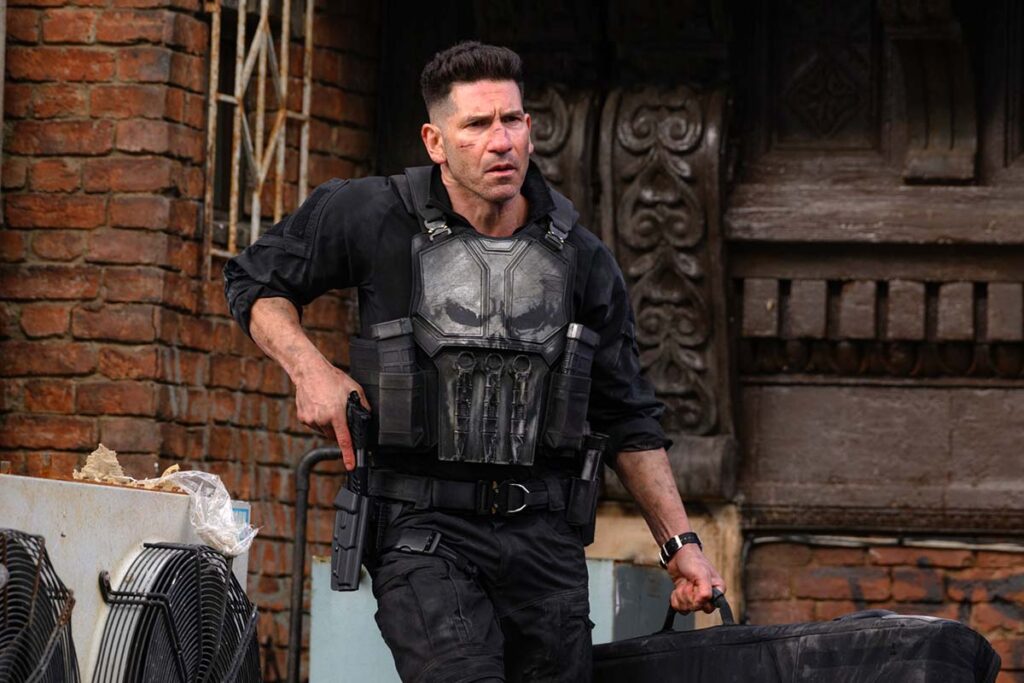
The humor works, too, at least most of the time. Jon Bernthal’s Punisher makes a natural foil for Peter because their attitudes toward violence are fundamentally incompatible, and their banter mostly lands, though the film leans on Frank Castle a little too hard and occasionally turns Bernthal into a broad Long Island lunk, not far removed from the loud, volatile energy he brings to “The Bear.”
The MCU machinery is occasionally frustrating. Much of the interconnectedness works, particularly Banner, and it helps make New York feel like a genuinely lived-in corner of this universe. But the film is also a little narratively overlong, and at least one late MCU appearance feels unnecessary—the kind of cameo the movie would be tighter and stronger without. Still, the emotional payoff is so satisfying, and Peter’s story so well-earned, that the excess never meaningfully undercuts the experience.
Still, “Brand New Day” never loses sight of Peter Parker beneath all the mythology. Cretton brings identity, grief, responsibility, community, and the burden of being special into one cohesive, deeply human story, understanding that identity is built through relationships and the people who shape us. Dark, grounded, vulnerable, and unexpectedly moving, it finds the heart and soul of Peter Parker and understands that his humanity—his compassion, decency, empathy, and instinct to reach toward others—is as essential to his heroism as anything the mask or his powers can give him. [A-]

