


How will we remember the time we’re living in? If the recent social media wave of posting decade-old photos is any indication of how much we crave nostalgia, imagine what it must be like to revisit the heyday of one’s youth fifty years removed – especially in an exciting cultural moment like the Harlem Renaissance. In David Greaves’ stirring tribute to the era, “Once Upon a Time in Harlem,” audiences hear these firsthand stories straight from the movers and shakers of the time over coffee and cigarette smoke, immersing viewers in the memories of yesteryear, from the mundane details to the excitement and challenges of those storied days.
READ MORE: Sundance 2026 Preview: 30 Films We Can’t Wait To See
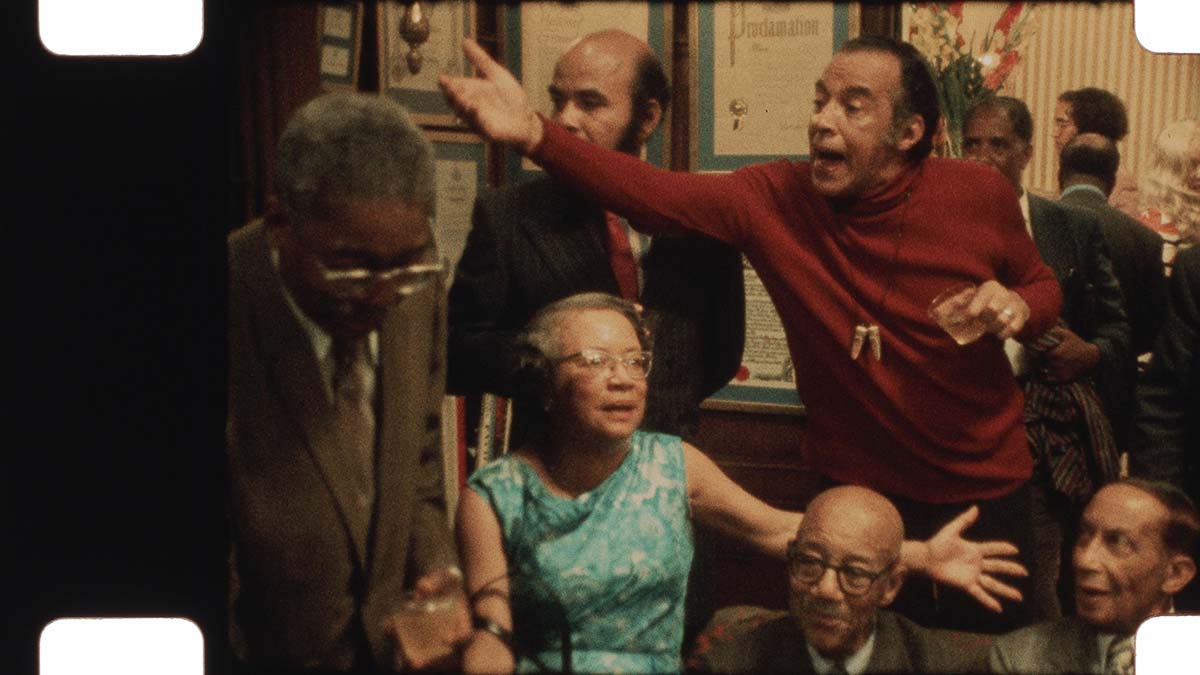
Recorded in 1972 by Greaves’ late father, William Greaves, the celebrated director behind “Symbiopsychotaxiplasm: Take One” and “Nationtime,” “Once Upon a Time in Harlem” filmed a party held at Duke Ellington’s Harlem townhouse. Over the course of four hours, three 16mm cameras float among the two dozen guests as they shared their thoughts and memories from the Harlem Renaissance. The trio, which included David Greaves as one of the cameramen, recorded conversations with painters Aaron Douglas, Richard Bruce Nugent, Ernest Crichlow and Romare Bearden, composer Eubie Blake and lyricist Noble Sissle as they reminisce about their show “Shuffle Along,” the first primary Black production on Broadway, heard from photographer James Van Der Zee, writers like Arna Bontemps, librarian and playwright Regina Andrews, and activists Richard B. Moore and Louise Thompson Patterson. Some recollections are hazy, others are sharp, as if they happened yesterday. Occasionally, an impassioned disagreement breaks out, but for the most part, it’s a lively collection of decades-old stories brought once again to life one afternoon in Harlem.
Unsure of the form a film like this would take, William Greaves never made something out of the footage he shot that afternoon. Over fifty years later, with the footage now warmly restored, David Greaves whittled down hours of lively conversations between sips of wine into an honest and thought-provoking reflection of the time, asking questions about what it was like to live in a time written about in the history books and why it came to an end. In essence, the film is a time capsule of two eras, the Harlem Renaissance and the Civil Rights Era, a time that renewed interest in the celebration of Black art and history but showed just how much progress there was left to be made.
To transport audiences now a century removed from the heyday of the Harlem Renaissance, Greaves thoughtfully weaves in the sounds, poetry, photography, and art of that day including several works from the guests featured in the film, showing off the exciting explosion of culture in all its glory as well as a few words from his father, connecting the two pasts with this present presentation. The effect both illustrates the stories told and heightens their emotional resonance — the joy, excitement, as well as the fight to be heard and respected. The restored footage captures the smoky air, the clanging of plates, the clack of heels on wooden floors, and the warm company of old friends and a few plus ones, leaning in when the conversation heats up.
The truth is, these lauded poets, scholars, and artists couldn’t have known in their day that they were living in historic times. They were busy rehearsing for the next show, reading a new book that opened their minds, attending each other’s art shows, readings, parties, and jazz nights. Yet “Once Upon a Time in Harlem” works on many fronts as both an exquisitely crafted reflection and a tribute to the time, both of the Harlem Renaissance and of Greaves’ generation, hungry to hear these nearly forgotten stories. It seems like we’re always missing one great era for another, that the best is no longer in front of us but in the rearview mirror. As the greats in “Once Upon a Time in Harlem” remind us, it is in living for the now that memories are made, and that creating art because it moves you is enough of a reason to do so. They too had their share of hardships to contend with: racism still reared its ugly head when white downtowners would show up to jazz shows that barred local Black audiences, and the Great Depression, the culprit that cooled down the fervor of the Harlem Renaissance, was just around the corner. And now, thanks to David Greaves’ work on the project his father started, a whole new generation will get to sit at the feet of these artists and learn from their experiences. [A]
Follow along for all of our coverage from the 2026 Sundance Film Festival here.


