




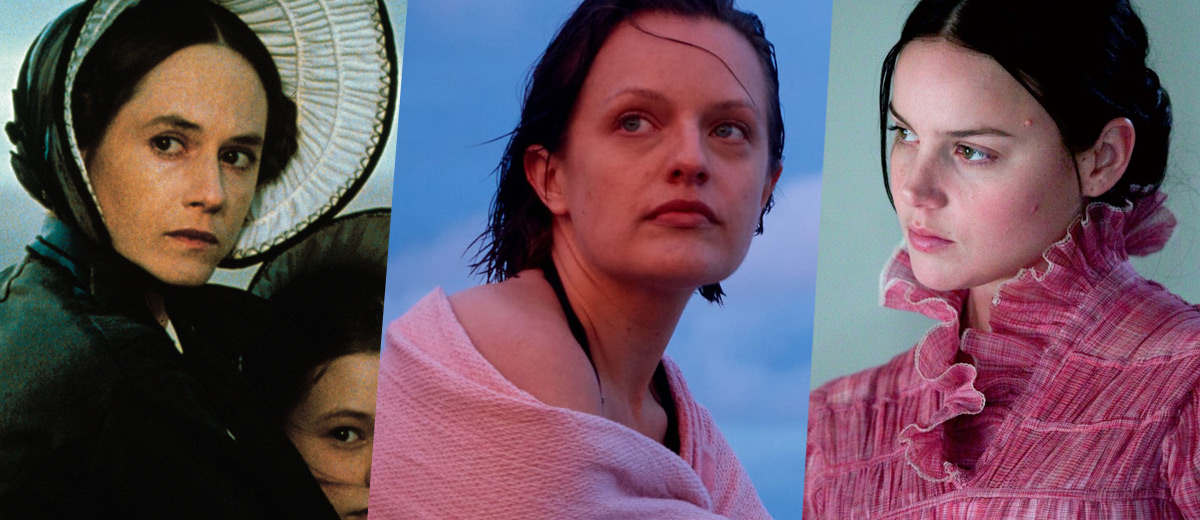
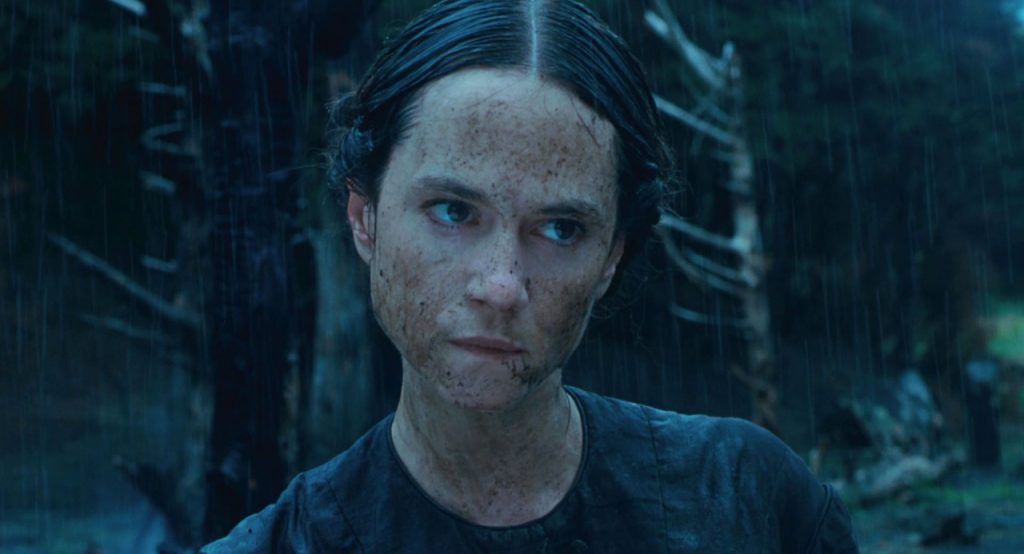
 “The Piano” (1993)
While it wasn’t her first film — or even, arguably, her best — “The Piano” is the film that helped certify Jane Campion’s staying power as well as put the director on the awards path. The film won the Palme d’Or at Cannes as well as an Oscar for the script and acting wins for stars Anna Paquin and Holly Hunter. A moody and sensual depiction of a woman trying to gain agency without the ability to speak, it’s a film that is fearless in dealing with troubled and messy characters and the drama that surrounds them. No character ends the film unscathed and the horrors depicted are real and tumultuous, but you get the sense that at the end, while Hunter’s Ada may be less whole in the physical sense, she has found her sense of self after having survived her trauma. It’s one of the bleakest stories to have something resembling an “uplifting” ending, perfectly fitting with Campion’s oeuvre which loves its troubled heroines, those who try to stifle them and their ambiguous happy ends. – Ally Johnson
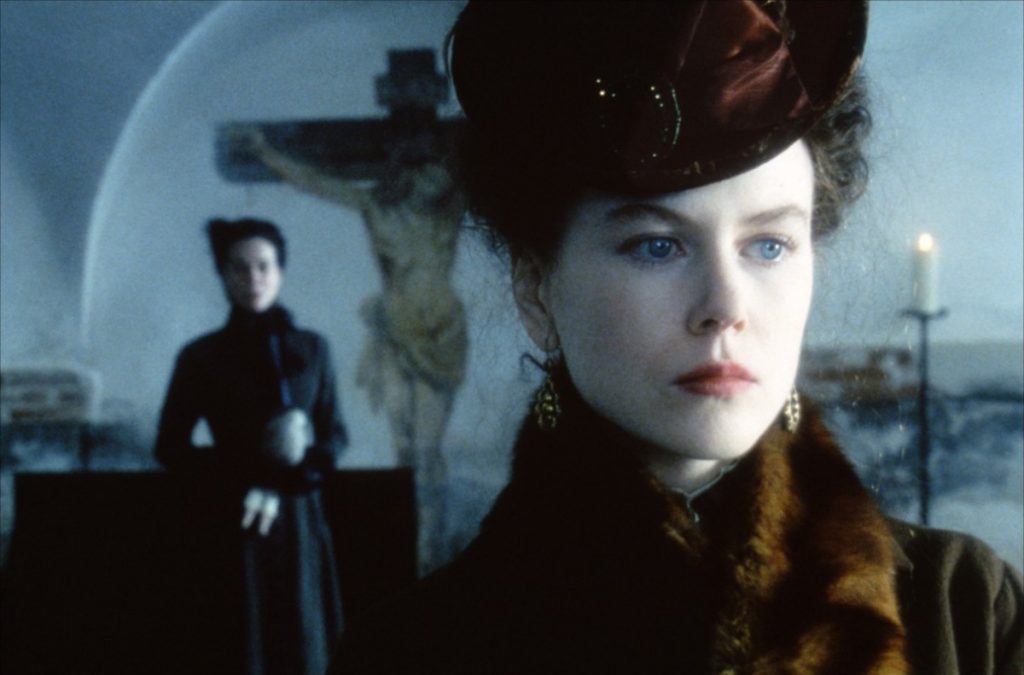 “The Portrait of a Lady” (1996)
Jane Campion may have gotten some slack for not creating a perfect adaptation of a popular novel, but her take on “The Portrait of a Lady” is a maddening one in its depictions of casual misogyny and the wills of a woman trying desperately to form her own path only to be lead astray at every turn. From the moment Nicole Kidman appears there’s an enigmatic energy to her, as uncontained as the stray hairs that fly away from her tended hair. As the film progresses she grows increasingly buttoned up, her hair becoming sleek and tied back, the perfect image of what a woman of that time period “should” look. It’s a remarkable demonstration of Campion’s eye for naturalistic beauty, capturing breathtaking shots of nothing more than silhouettes against oncoming fog. Unruly in her direction and choosing unusual means to capture moments of stillness and then of nerve, Campion isn’t at her most refined here, indulging in compositions that are sometimes odd, but the end product is something as impassioned and delicately composed as her heroine. – AJ
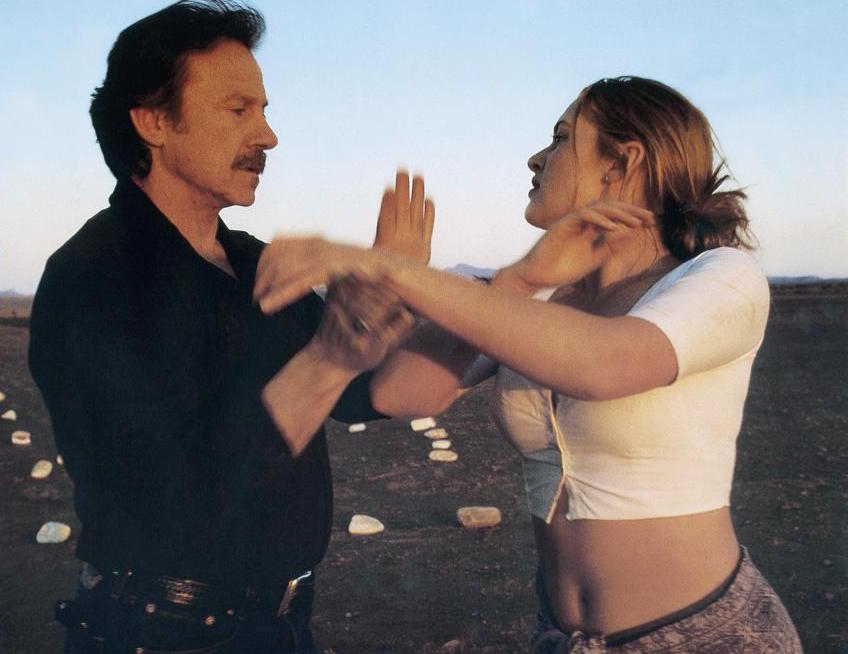 “Holy Smoke” (1999)
An unsympathetic, thick-headed Australian family is presented to us. The daughter Ruth Baron, as played by Kate Winslet in a riveting performance, is a freshly enlightened goddess touched by a cosmic awakening that she attained with her friend on a trip to India. The Barons are concerned with their daughter’s “enlightenment” and set Ruth up to return to Oz-land. Once home, Ruth is ambushed and sent to a half-way hut in the desert in the company of renowned ‘Cult Exiter’ PJ Waters, a playful Harvey Keitel. The isolation and conflict between the two leads is harrowing because Ms. Winslet’s performance is so pungently ripe, but is also filled with mysterious eroticism. She turns out to be a far braver actress than what she had shown a year prior in “Titanic.” Here she reveals vulnerability, but what surprises even more are the intellectual and seductive strengths that lay bare in her performance, particularly remarkable for an actress her age — she was just 23 at the time. Sure, there are flaws, a more verbose screenplay would have been welcome given the lush images on display, but Winslet and Campion hold it all together in visual and sensually splendid ways. – Jordan Ruimy

