


“California Split” (1974)
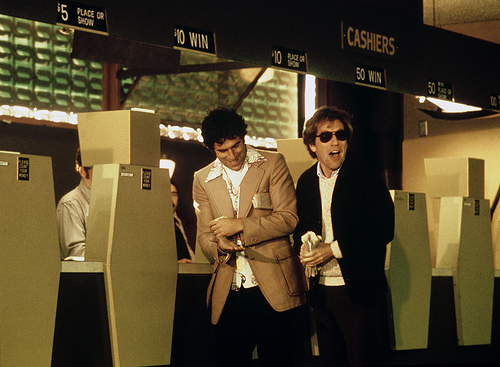
Robert Altman is always to be found in the DNA of a Paul Thomas Anderson film somewhere, and while “The Long Goodbye” is the most obvious comparison point for his new movie, there’s plenty of Altman’s lesser-known “California Split” in the “Inherent Vice” genome. Originally intended to be the feature directorial debut of Steven Spielberg before “Sugarland Express” came along, the project eventually came to Altman, and the result was the kind of experimental studio movie that would never get made these days, and one of the finest and most authentic gambling movies ever produced. George Segal and Altman regular Elliot Gould play Bill and Charlie, two compulsive gamblers in California (as you might have guessed from the title) who become friends after being robbed by someone they’ve beaten in a poker game. As is often Altman’s wont in this time period, the film is virtually plotless. Bill gets more and more hooked, gets in debt, is on an amazing winning streak, and then suddenly falls out of love with it. It’s a study of character and plot, and thanks to Altman’s trademark overlapping dialogue (the film was the first non-Cinerama picture to use eight-track recording techniques, meaning that the director’s soundscape could be even more cacophonous than ever), it’s just about the most unglamorous and authentic take on the subculture that you could ask for (Joseph Walsh, who also features in a supporting role, wrote the script as a deliberate reaction against more manufactured gambling movies). As you might imagine, it’s really Segal and Gould’s show, and both are terrific, giving among their finest performances. It’s not an easy watch and needs your total attention, but invest enough and you’ll certainly find it worthwhile.
“The Limey” (1999)
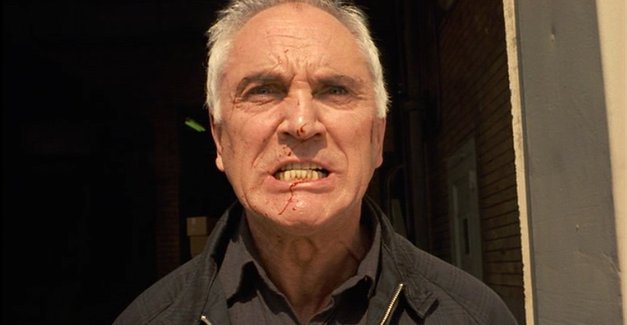
After rejuvenating his career with another sun-kissed (or at least partly sun-kissed) crime picture with Elmore Leonard adaptation “Out Of Sight,” Steven Soderbergh called on the influence of ’60s crime films, particularly the 1967 film “Poor Cow,” for “The Limey,” a daytime noir with some distinctly New Wave storytelling. Serving as something of an unofficial sequel to that Ken Loach drama (from which Soderbergh even uses clips for backstory sequences), Terence Stamp lends his weathered, fascinating visage to his strongest role in years, as a Cockney thug named Wilson released from prison into a world he knows nothing about. With minimal fuss, this man out of time makes a beeline to the West Coast, where his daughter was last seen in the arms of an unscrupulous record producer (Peter Fonda, who reportedly referred to his character as The Slimey). Soderbergh uses fractured storytelling methods to enliven a threadbare crime story, moving chronology back and forth and still bringing the story in under 90 minutes, showing an appreciation for the quiet moments of Wilson’s contemplation and the cacophony of older men using their toys (guns) to protect their other toys (high living, supermodels). With a jazzy, terrific score from Cliff Martinez, “The Limey” slinks and grooves to its own beat, like its idiosyncratic, often nonsensical protagonist, providing a near-perfect action vehicle for those who like their genre flicks slick and economical.
“Cutter’s Way” (1981)
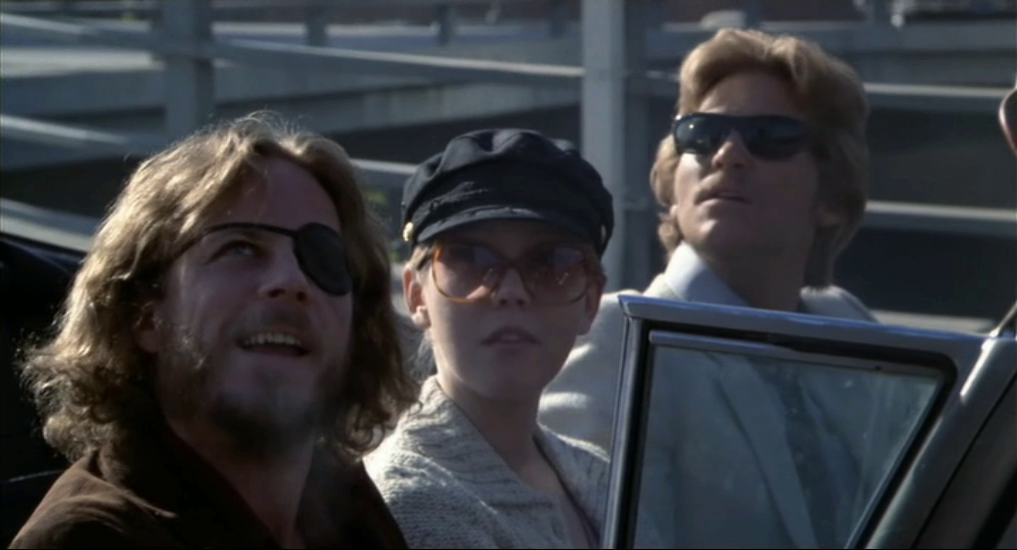
If ‘70s American cinema took its unique shape largely from the end of the studio system, and its themes from the end of political, social, and moral innocence connoted by the Vietnam War and Watergate, among other upheavals, Ivan Passer’s neglected-though-gradually-reviving touchpoint “Cutter’s Way” is perhaps the film that best encapsulates the end of those endings. Made, appropriately, in 1981 with one eye still on the decade just past and another looking to a future not yet set, the film certainly owes a great debt to the ’70s paranoia filmmaking of Pakula, Pollack et al. But it also has different, more uncertain notes—where conspiracy thrillers, among which it can nominally be counted, do thrive in a culture of distrust in authorities and institutions, they tend to be quite sure of that distrust. But nothing and no one is sure or certain in “Cutter’s Way,” not Jeff Bridges’ Bone, who may or may not have witnessed a local bigwig murder a young girl, not the dead girl’s sister who drifts in and out of his increasingly harebrained schemes, not even Bone’s firebrand, alcoholic, maimed Vietnam vet best friend Cutter (an easily career-best John Heard). And there are deeper, more mythic resonances too—“Moby Dick” is a touchpoint referred to more than once, with the alleged murderer becoming a symbolic white whale; not only a personal nemesis for Cutter and Bone, but a figurehead for the systemic evil known as The Man. With so much going on, powered by some sort of internal logic that is all but impenetrable from the outside, the film, like “Inherent Vice,” is both dense and light, both grim and gritty and oddly fanciful. And it culminates in a final sequence so strikingly weird and ambivalent that “offbeat” scarcely does it justice—it’s downright surreal, and a totally unique cap to a gloriously idiosyncratic film.
That’s it for now, but if this list leaves you hankering for more in a similar vein, do check out the other titles in BAM’s Sunshine Noir series, or take a spin through some of our own related features like 10 Great Overlooked 1970s Movies, 15 ‘70s Thrillers You Might Not Know, or 5 Great ’70s Crime Movies. And feel free to shout out any titles we might have missed altogether: we love doing features like this and will no doubt return to this arena soon.
— Jessica Kiang, Oli Lyttelton, Erik McClanahan