



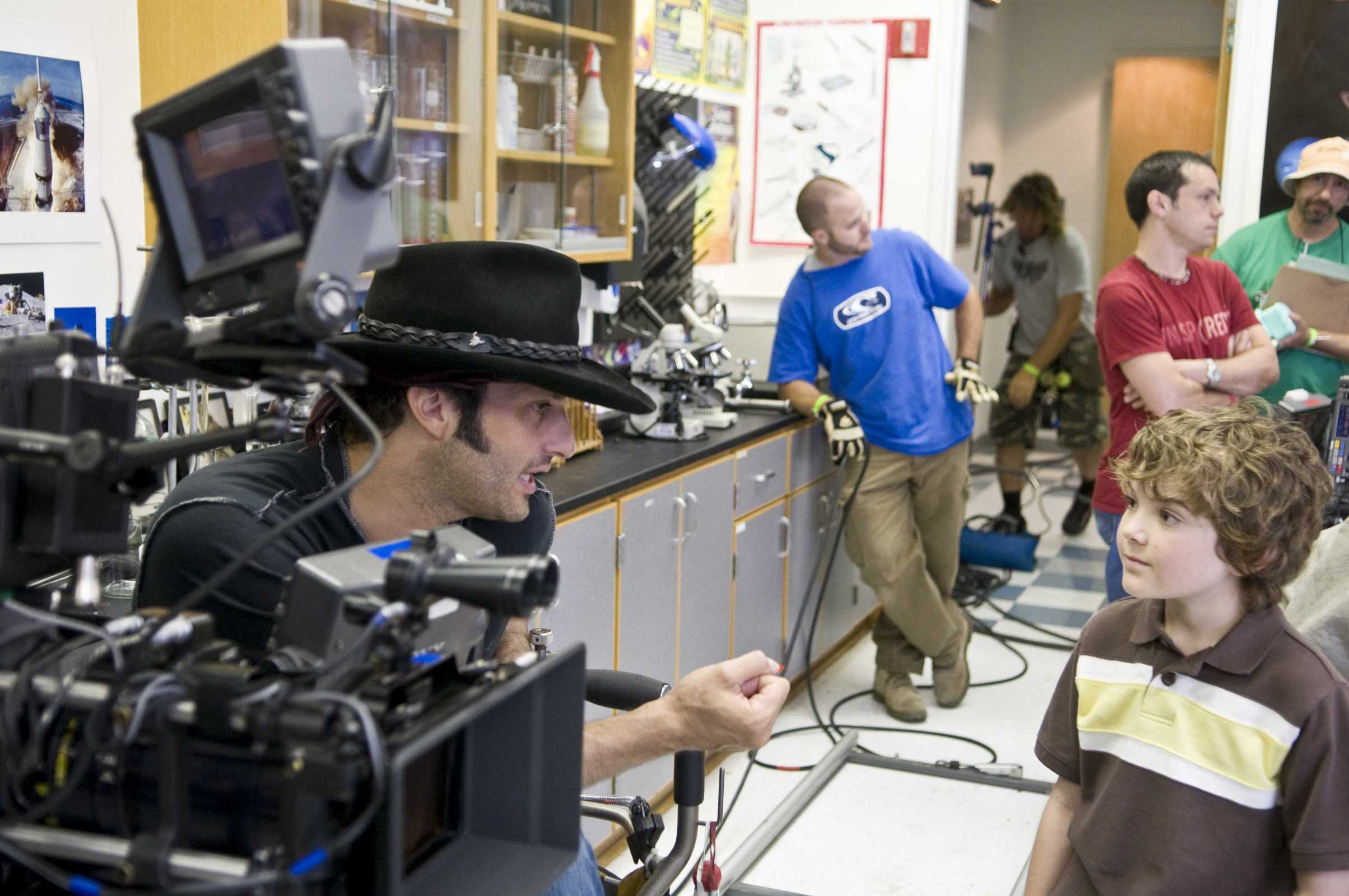
Director ROBERT RODRIGUEZ goes over a scene with TREVOR GAGNON on the set of Warner Bros. PicturesÕ magical fantasy adventure ÒShorts.Ó
Robert Rodriguez
Tarantino might have had more critical acclaim, but Robert Rodriguez’s path, from penniless lab rat to studio mogul, might have inspired more young filmmakers thanks to his “El Mariachi.” At UT Austin, Rodrigez’s grades weren’t good enough for him to get on the film program; nevertheless, his short film “Bedhead” won some awards on the festival circuit, and with some of the prize money, and with cash from participating in medical tests, Rodriguez made “El Mariachi” for the famously low sum of $7,000. Following a young musician who accidentally discovers a guitar case full of weapons, it was an inventive action-thriller that made the most of its meager production values, and charmed by the backstory, festivalgoers gave it the Audience Award at the 1993 festival, and was picked up by Columbia Pictures. Since then, Rodriguez has made films leaning mainstream-cult, like “From Dusk Till Dawn,” “Sin City” and “Desperado,” while maintaining his resolutely independent spirit.
 David O Russell
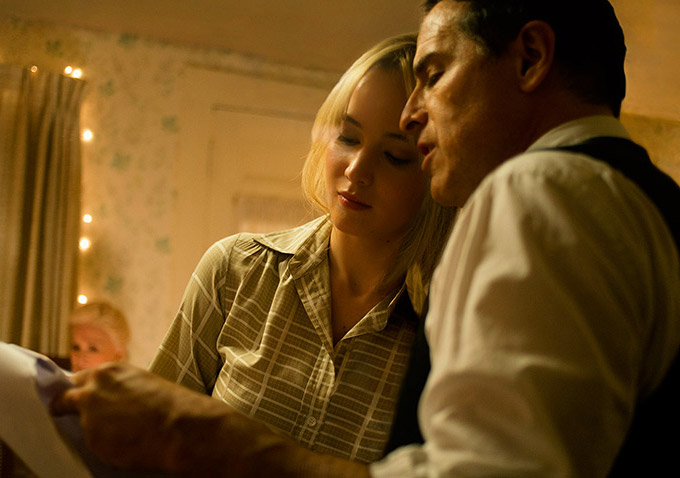
His current movie “Joy” aside, David O. Russell has become something of an Oscar force in recent years: Between them, “The Fighter,” “Silver Linings Playbook” and “American Hustle” garnered 25 nominations. But that’s a relatively recent development: Russell began his career as a sort of enfant terrible, with a deeply controversial Sundance movie. Having had shorts “Bingo Inferno” and “Hairway To The Stars” selected for the fest, Russell returned with his feature debut “Spanking The Monkey,” a pitch-black comedy about a college student who has an affair with his mother. The film had caused some difficulties in production — Russell had been given money by the National Endowment of the Arts, then had to give it back when they found out the subject matter — but proved a hit in Park City, winning the Audience Award at the 1994 festival and being picked up by Fine Line. Russell was put on the map as a result, and all-star comedy “Flirting With Disaster” and transcendent Gulf War action-drama “Three Kings” followed.
 Bryan Singer
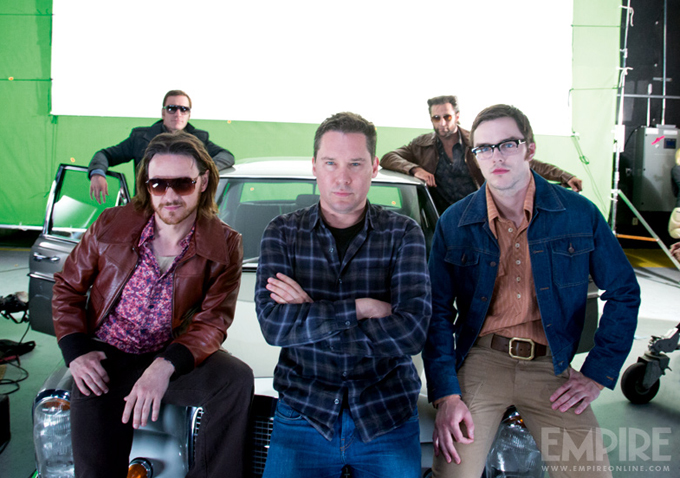
If there’s anyone to thank/blame for the popularity of the superhero movie, and for the practice of picking indie helmers to direct big blockbusters, it might be Bryan Singer, who found success in Park City even before his commercial breakout with “The Usual Suspects.” His short film, “Lion’s Den” (which starred childhood friend Ethan Hawke), had found its way to a low-budget studio, and Singer and Christopher McQuarrie co-wrote “Public Access,” about a drifter who starts up a public-access cable show in a small town. Despite divisive reviews, the film split the Grand Jury Prize with “Ruby In Paradise” at the 1993 festival, although it failed to pick up North American distribution. Nevertheless, it helped put Singer on the map: “The Usual Suspects” followed and became an immense success two years later, and after a dip with “Apt Pupil,” Singer had a blockbuster smash with “X-Men” and its sequel, and returned to the franchise in 2014 for “X-Men: Days Of Future Past.”
 Steven Soderbergh
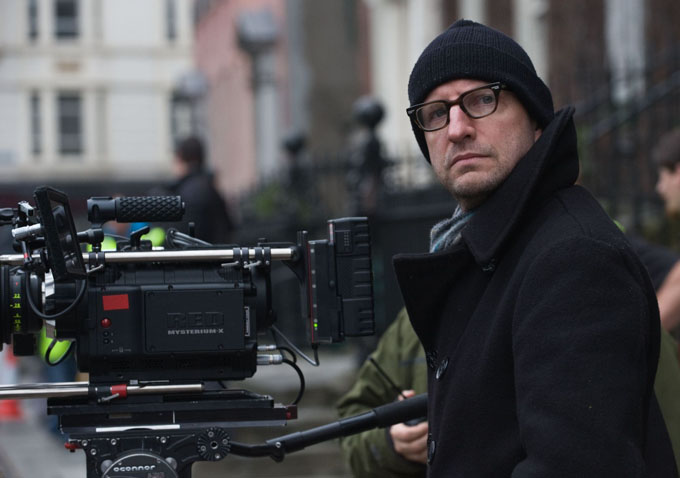
Let’s be honest: Steven Soderbergh was as good for Sundance as Sundance was for Steven Soderbergh. In the 1980s, the festival was nowhere near the kind of indie juggernaut that we’ve come to know it as. But that changed when Steven Soderbergh’s “Sex, Lies, And Videotape,” a raw, smart tale of sexual dysfunction, infidelity and voyeurism, debuted at the festival in 1989. It became an immediate sensation, winning the Audience Award at Sundance, going on to pick up the Palme d’Or at Cannes, and becoming a hit of the kind that the indie world had rarely seen. Soderbergh came out of the traps a little more slowly, with neither critics nor the public loving follow-ups “Kafka” and “King Of The Hill.” But a creative rejuvenation with “Schizopolis” saw him come back battling with “Out Of Sight” and “The Limey,” and by 2000 he’d picked up two Best Director nominations in the same year, winning one of them. Blockbusters, acclaimed dramas and a few flops followed, before Soderbergh “retired” in 2013, heading instead to TV and the terrific “The Knick.”
 Todd Solondz
He might not be the highest-grossing filmmaker on this list (in fact, none of his movies have made more than $5 million), but Todd Solondz might number among the most influential: His uniquely skewed take on American life has, even if it never cracked the mainstream, certainly shifted it, and has won him a devoted following of critics and cinephiles that carried through to his latest, “Wiener-Dog,” which saw him return to the festival this past week. Solondz, who started writing while working at the WGA, made his debut with the little-seen 1989 film “Fear, Anxiety & Depression,” but broke out with 1995’s “Welcome To The Dollhouse,” a desperately funny, deeply awkward teen movie which, though it had screened already at TIFF, became a proper sensation in Park City when it won the Grand Jury Prize there in 1996, going on to become an unlikely sleeper hit. The film led to Solondz’s even better, far more wrenching follow-up “Happiness,” while also becoming a key teen movie text: In fact, “Freaks & Geeks” came out of Fox’s attempt to make a TV equivalent of “Welcome To The Dollhouse,” meaning we have Solondz to thank for the careers of Judd Apatow, Seth Rogen & co.

