


 30. “What’s Up, Tiger Lily?” (1966)
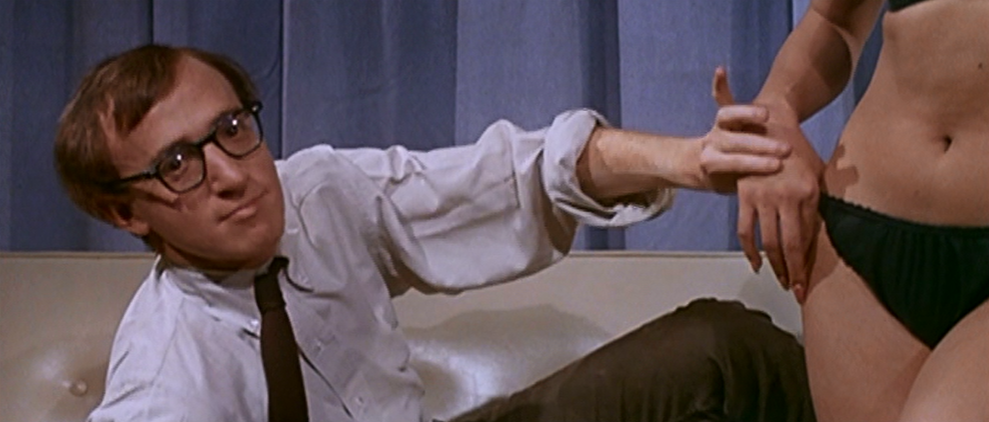
Allen receives credit for being an auteur, a filmmaker with a distinct voice and very specific, abstract political views on the relationships between others. But he began modestly, with the aim to make people lose their composure in a flood of laughs, and in his early years, it’s startling how easy that seemed. Allen didn’t “direct” (as in “shoot”) most of “What’s Up, Tiger Lily?,” but the film is an early, brilliant precursor to the “Mystery Science Theater 3000” school of film appreciation. Using footage from two films in a Japanese series called “International Secret Police,” Allen recontextualized and redubbed key moments to turn the spy film into a search for the perfect egg salad recipe. It’s a cinematic mixtape, in other words, a fan-edit of sorts with Allen routinely popping in to remind us that he was a questionable choice by the studio to re-edit the film in the first place. More of a stunt than an actual film, the picture remains remarkably funny today, a testament to how much Allen thoroughly understood film comedy, even with extremely limited resources.
 29. “Shadows and Fog” (1992)
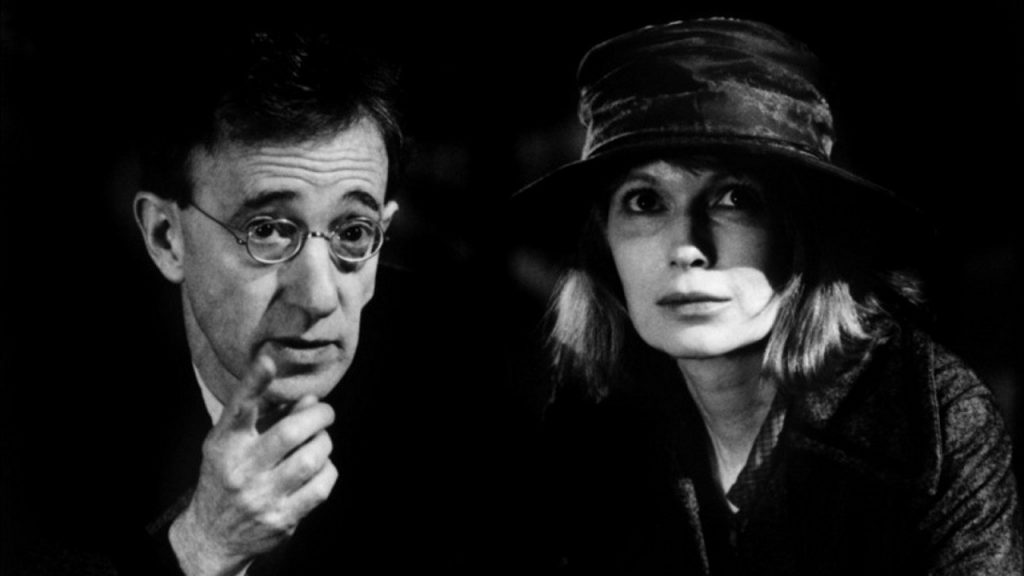
Shot in luminous, shrouded black and white by Michelangelo Antonioni cinematographer Carlo DiPalmi, doing his best German Expressionist, G.W. Pabst and F.W. Murnau impression, the appropriately titled “Shadows and Fog” is an ambitious entry in the director’s catalog. Here, Allen takes the starring role in this 1920s-set Kafka-esque story, as a sniveling and cowardly bookkeeper who is caught up in a vigilante group’s search for a local serial killer (major hat tip to Fritz Lang‘s “M“). A second story, which eventually meets up with the first, revolves around a circus clown (John Malkovich) searching for his sword-swallower girlfriend (Mia Farrow) who gets mixed up in the intrigue happening in a nearby whorehouse. All swinging directional lights and scary streets where prowlers and angry mobs roam unfettered, and featuring an excellent supporting cast including John Cusack, Madonna, Kenneth Mars, Kathy Bates, Jodie Foster, Julie Kavner, William H. Macy, Wallace Shawn, and Lily Tomlin it’s a bit of a puzzle why “Shadows and Fog,” with so much going for it, remains so distant and feels so minor.
 28. “Another Woman” (1988)
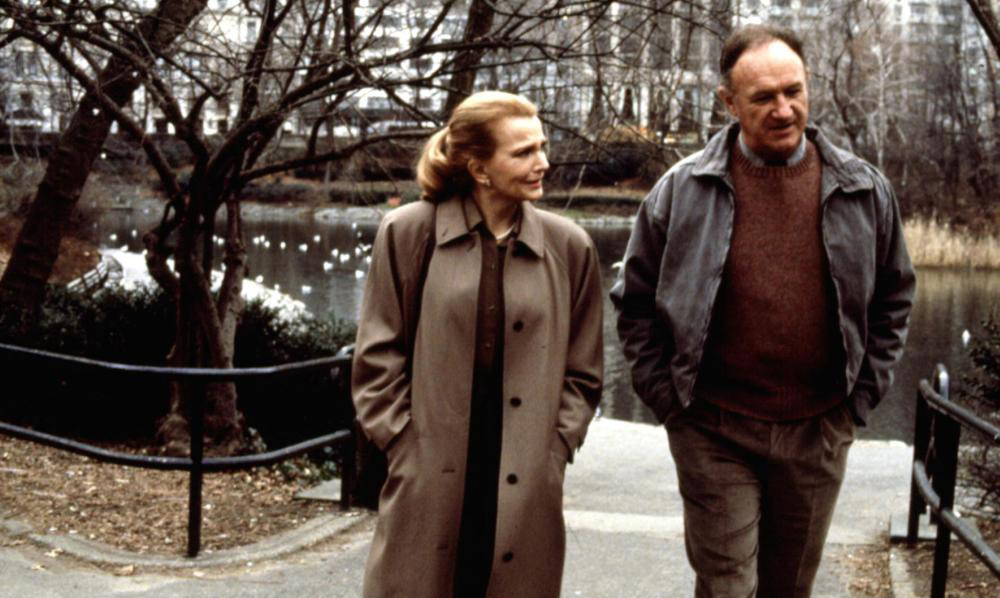
Allen’s late ’80s-early 90s period is his golden-brown period, insofar as it seems to be an autumnal detour (all of it done with DPs Sven Nykvist and Carlo DiPalmi), more dramatic and generally focusing on female protagonists in distress, with recurring themes of infidelity and unhappy marriage. This one, starring Gena Rowlands, Mia Farrow, Ian Holm, Blythe Danner and an underused but astonishingly great Gene Hackman falls a little too squarely into this camp. The small-scale picture (tellingly shot by Bergman regular Sven Nykvist) is indebted to “Wild Strawberries,” and centers on a woman (Rowlands) who begins to overhear the problems of a despondent woman (Farrow) as she talks to her psychiatrist neighbor. The conversations precipitate Rowlands to reflect on her past via dreamlike flashbacks which makes her realize how carelessly she alienated former friends and lovers. The two women’s stories do come full circle, but this small, polished well-performed portrait is most remarkable for the rounded, complex and not necessarily likeable, though wholly capable woman at its center.
 27. “Small Time Crooks” (2000)
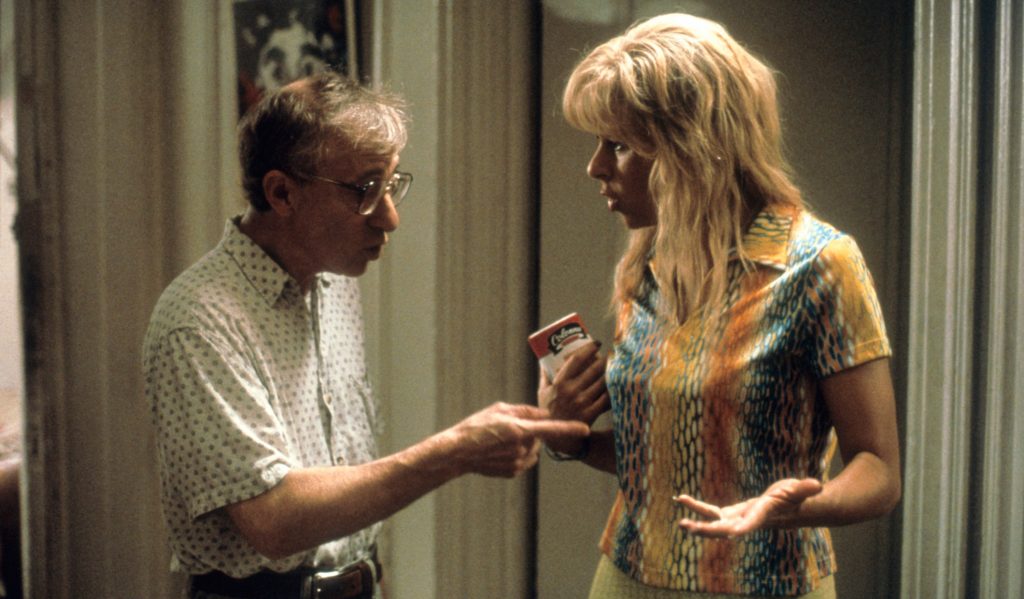
We’re so used to seeing Allen as a neurotic intellectual that it’s sometimes refreshing to see him playing at the other end of the spectrum, and his role in “Small Time Crooks” is one of a small cluster of fully-flung idiots. Riffing, at least in part, on Ealing crime comedies like “The Ladykillers” and “The Lavender Hill Mob,” Allen plays Ray, a jailbird who plans to rob a bank next to a bakery, only to discover that the cookies that his wife Frenchy (an excellent Tracey Ullman) has been selling as cover for the heist are far more lucrative. That, frankly, is a genius conceit and it deserves a better film than “Small Time Crooks” ever becomes — it’s an oddly structured piece, and the middle act, featuring Hugh Grant as a sleazy artist parodying the class system, is pretty weak. Despite its unevenness, though, it’s mostly an enjoyable, bouncy ride and in a rare acting appearance by the great Elaine May, it has one of the greatest, if briefest, supporting performances in the Allen canon.
 26. “Mighty Aphrodite” (1995)
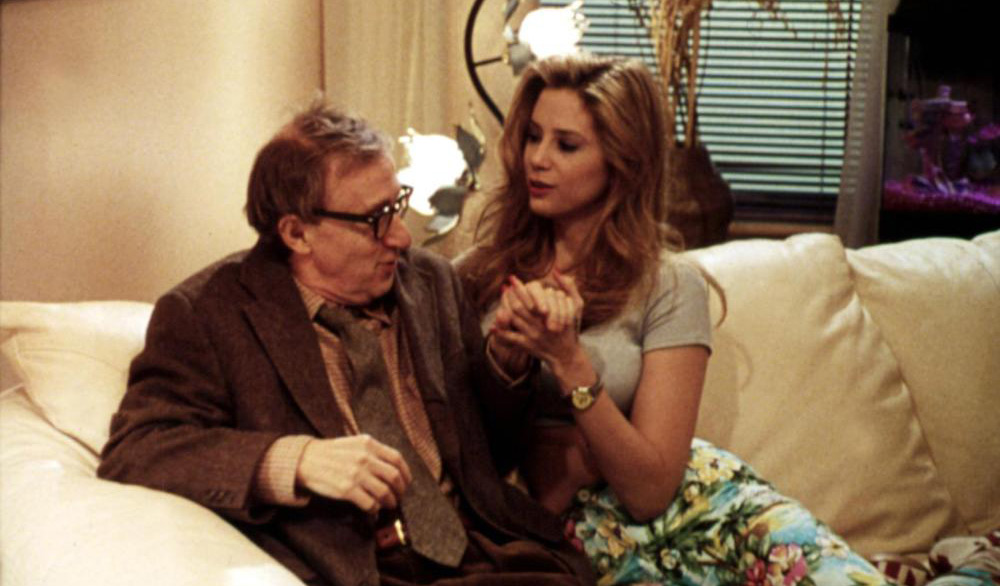
Probably best remembered as being the movie that won Mira Sorvino a Best Supporting Actress Academy Award before she fell into oblivion “Mighty Aphrodite” remains one of the better movies from a not-exactly-fertile period for Allen. While the story is fairly typical Woody — he is a father looking to identify the biological mother of his adopted son, while stressing out about his marriage (to Helena Bonham Carter) — the setup is enlivened by another typical flourish: a Greek chorus narration (led by F. Murray Abraham), which sometimes even interacts with the characters. Featuring an excellent Michael Rapaport as a Brooklyn knucklehead, the performance by Sorvino, as the squeaky-voiced hooker with a heart of gold, is also better than it is on the page (though maybe not quite to an Oscar-worthy degree). There are sadly some icky story beats (Allen sleeps with Sorvino at one point), that somewhat spoil the goodheartedness and earnest energy elsewhere, but the chorus conceit that keeps Allen’s character honest (kind of) also thankfully keeps the film from becoming too much of a Greek tragedy.
 25. “Everyone Says I Love You” (1996)
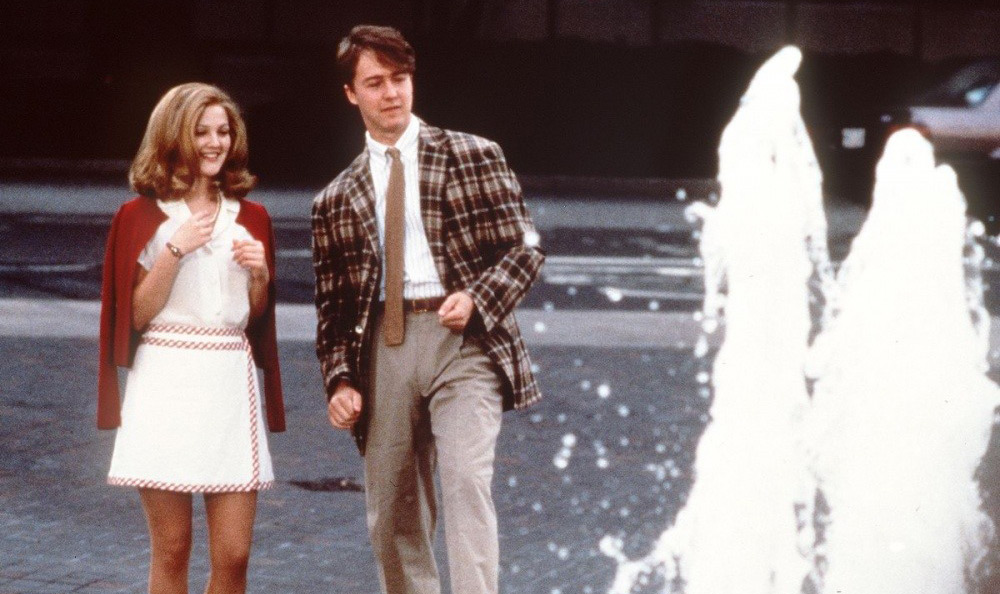
Lush with the sensation of romance in exotic places, Allen’s modern-day musical (scored with lip-synched 1930s standards) occupies a curious place in his oeuvre, following a family of Giuliani-era Upper East Side New Yorkers in romantic crisis in New York, Venice and Paris. Love has them all tangled up, from impulsive engagements to old flames flaring up again, that are all backdropped against the brownstones and Central Park foliage of New York or the bridges and waterways of the film’s European locations. But amid a very amiable ensemble (Alan Alda, Goldie Hawn, Drew Barrymore, Edward Norton, Natalie Portman, etc.) the film falters with Allen himself, who plays a single man who absconds to Venice to meet the girl of his dreams, played by Julia Roberts. The age discrepancy is glaringly unaddressed, and Roberts becomes one of the first casualties of Allen’s mid-period tendency to admire the beauty and vivacity of his younger female stars in lieu of giving them real notes to play. But the untrained and sometimes unsteady singing, which proved the most divisive element on release, might actually be our favorite part.
 24. “Radio Days” (1987)
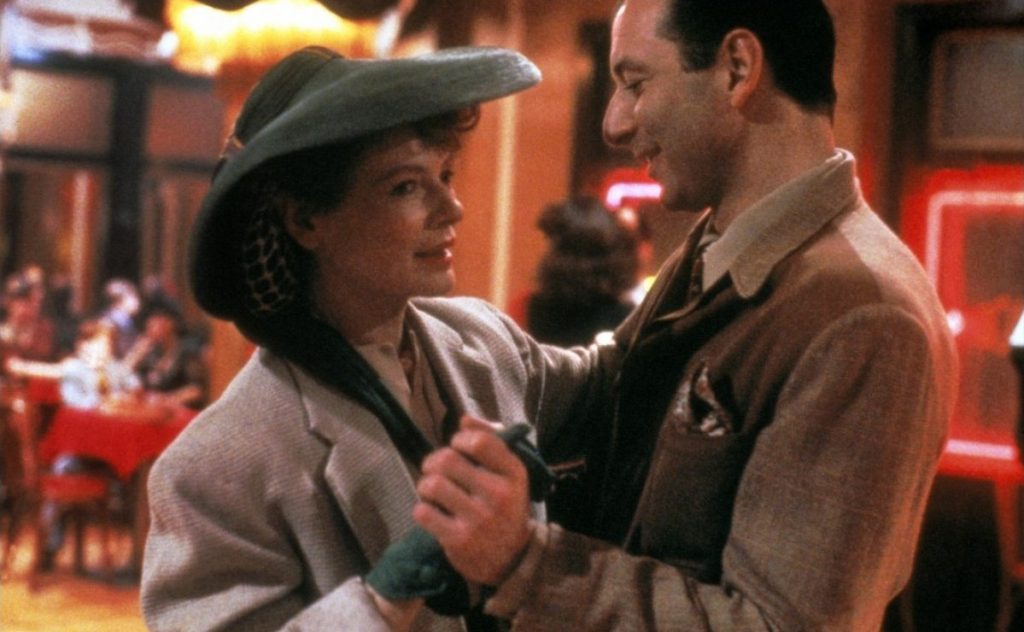
Wedged somewhat awkwardly between one of Woody’s outright masterpieces and his run of explicitly ‘experimental’ fare, “Radio Days” often gets lost in the shuffle of the filmmaker’s busy period during the tail-end of the 1980s, but it merits revisiting as one of his most sophisticated, least ego-driven pictures. It engages in the stuff of romanticized autobiography (comparisons with Fellini’s “Amarcord” and Neil Simon’s “Brighton Beach Memoirs” abound) without tipping over into self-aggrandizing neurotica. True, there isn’t much here we haven’t seen before — in being a homage to the long-defunct radio era, it mimics a lot of the concerns of “The Purple Rose of Cairo,” or “Broadway Danny Rose” without ever quite attaining those films’ level of wit and warmth. But it’s still a spritely ode to eccentricity, an aping of the foibles of family life during the ’30s and ’40s, and a work that straddles the divide between the bleaker impulses of his output (Dianne Wiest’s lonely spinster repping here) and the pithy New Yorker humor and self-mockery that are often otherwise the opposing poles of his filmography.
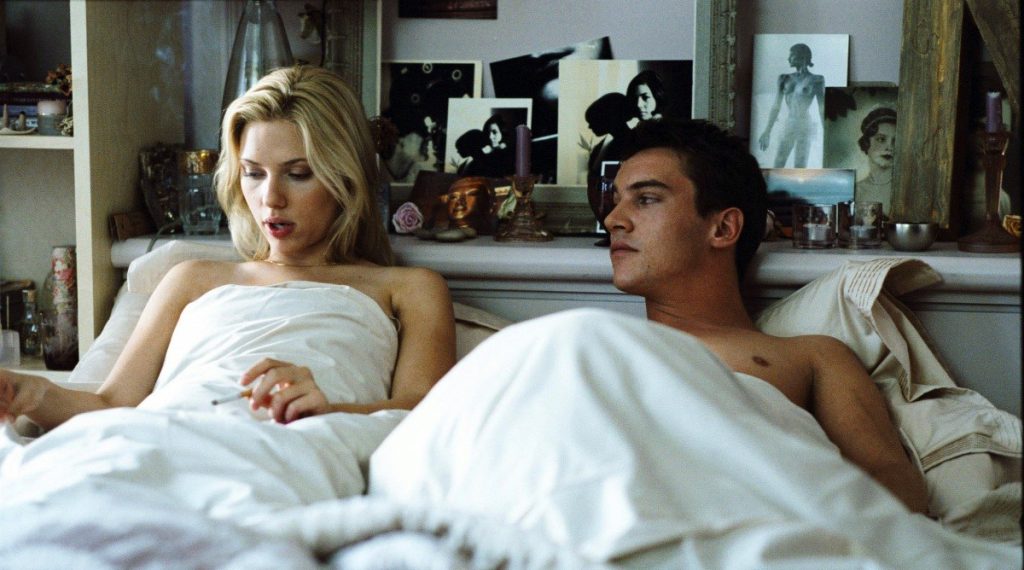 23. “Match Point” (2005)
Given any 47-odd list of films to rank, there are going to be disagreements, and one sticking point we can predict in advance is the relatively low placement of this enduringly popular London-set thriller. But we’re sticking to our guns. Scarlett Johansson, at the very beginning of a run that saw her move from sexpot ingenue to one of our very favorite working actresses, is sulkily luminous, but not given a huge amount to do bar “be a fantasy” and while it should be a good thing that there’s no direct Allen stand-in for once, instead we get an emotionally and psychologically vague Jonathan Rhys-Meyers, and an empty-headed love affair that plays out against a London backdrop about as authentic as a series of postcards. Emily Mortimer and Matthew Goode are good value as the foils to the leads, but lacking the wit and snap that characterized the much, much better riff on the same themes that was “Crimes and Misdemeanors,” “Match Point” is not so much bad as slightly unnecessary, and dour in a way that feels uncharacteristic of even Allen’s most serious work.
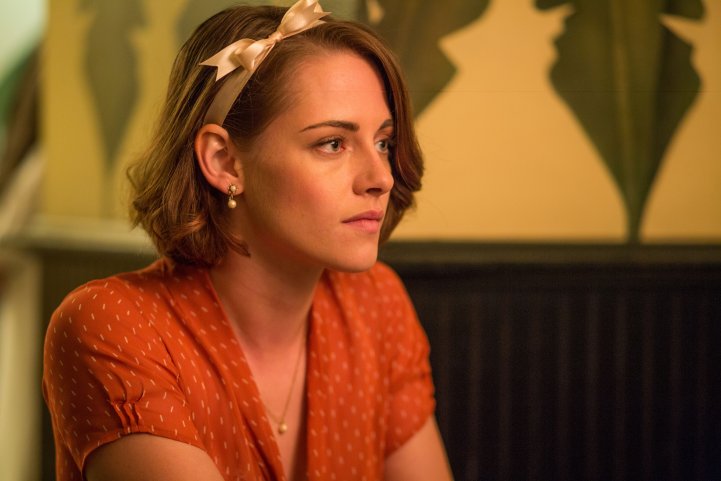 22. “Cafe Society” (2016)
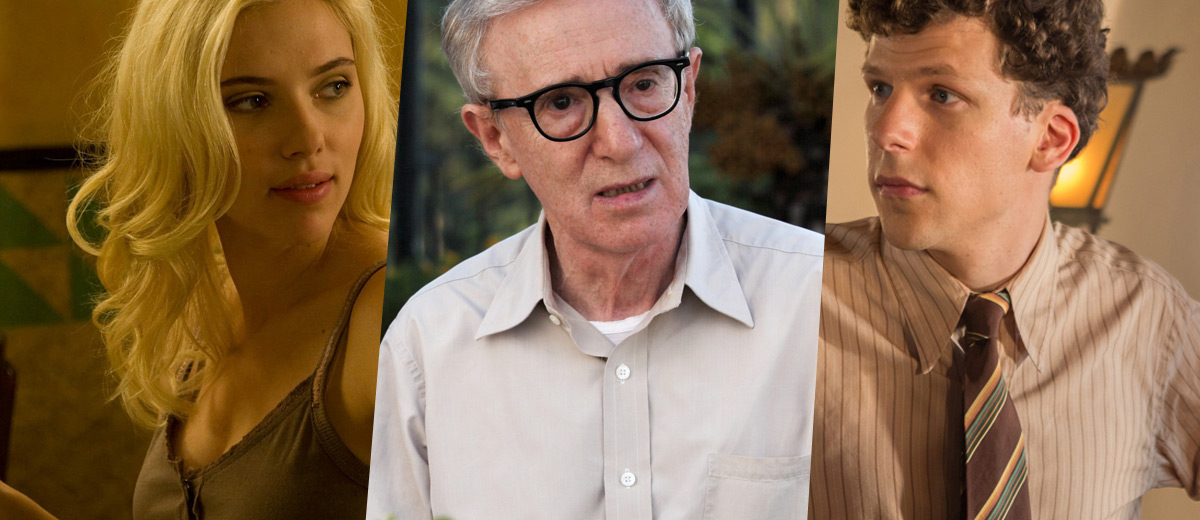
You can read our full review from Cannes here but suffice to say that given a few month’s to think about it, we stand by our largely positive take on his latest. It’s possible our opinion is a little colored by relief: having disliked “Irrational Man” enormously, we were worried that might be the end of us and Allen. But this fond and honeyed look at Golden-Age Hollywood and the era of New York gangsters and nightclubs is given a jolt of real life by a terrific Kristen Stewart, who somehow manages the trick that recent Allen muses like Emma Stone and Scarlett Johansson never quite did — of seeming like her own person and not an adjunct to the Allen proxy (here an almost-too-close-for-comfort Jesse Eisenberg). Coupled with the stunning photography (from legend Vittorio Storaro) and production design, Stewart’s luminescent and layered performance almost makes up for the film’s shortcomings elsewhere, like its bifurcated structure and the inevitable sense of overfamiliarity to some of the scenarios. But if this is mostly Allen riffing on Allen, at least he’s referencing his better films past.
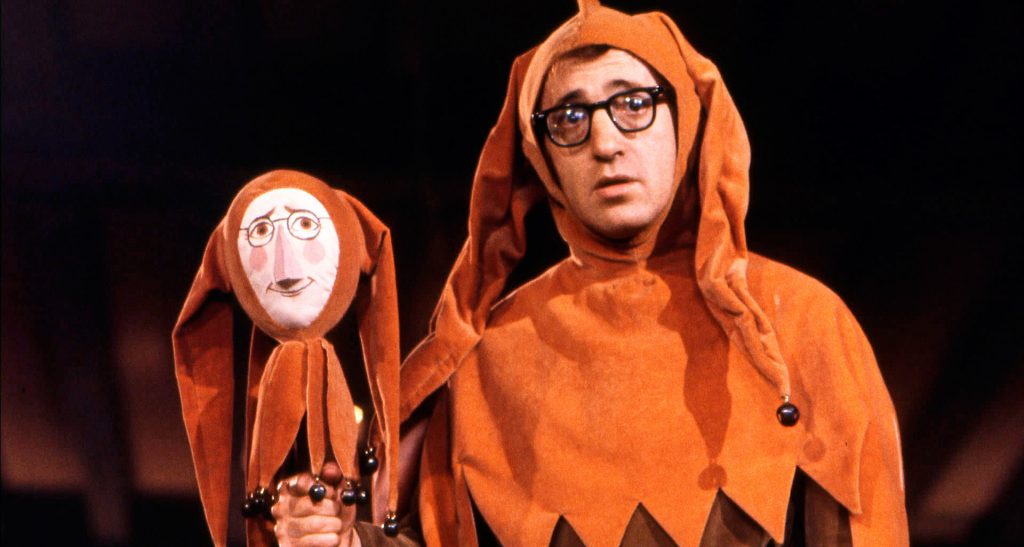 21. “Everything You Always Wanted To Know About Sex* (*But Were Afraid To Ask)” (1972)
One of the more underrated entries in Allen’s ever-expanding oeuvre, “Everything You Always Wanted to Know About Sex* (*But Were Afraid to Ask),” based loosely on the self-help book by Dr. David Reuben, is an anthology film, made up of seven segments, each posing a different question. They vary wildly in terms of tone, and quality and allowed for Allen to experiment freely — so alongside the goofy “Do Aphrodisiacs Work?” section (which features the immortal image of Allen as a court jester) are artier entries like “Why Do Some Women Have Trouble Reaching an Orgasm?,” where Allen got to explore his love of European filmmaking. While it’s true the film is a collection of sketches rather than a cohesive whole, it’s still a jaunty, often hilarious and truthful film, too easily overlooked when thinking about his catalog. And it’s possible that the terrific, iconic segment in which Allen plays a bespectacled sperm is worth the price of entry (sorry) all by itself.


