


“Last Year at Marienbad” (1961)
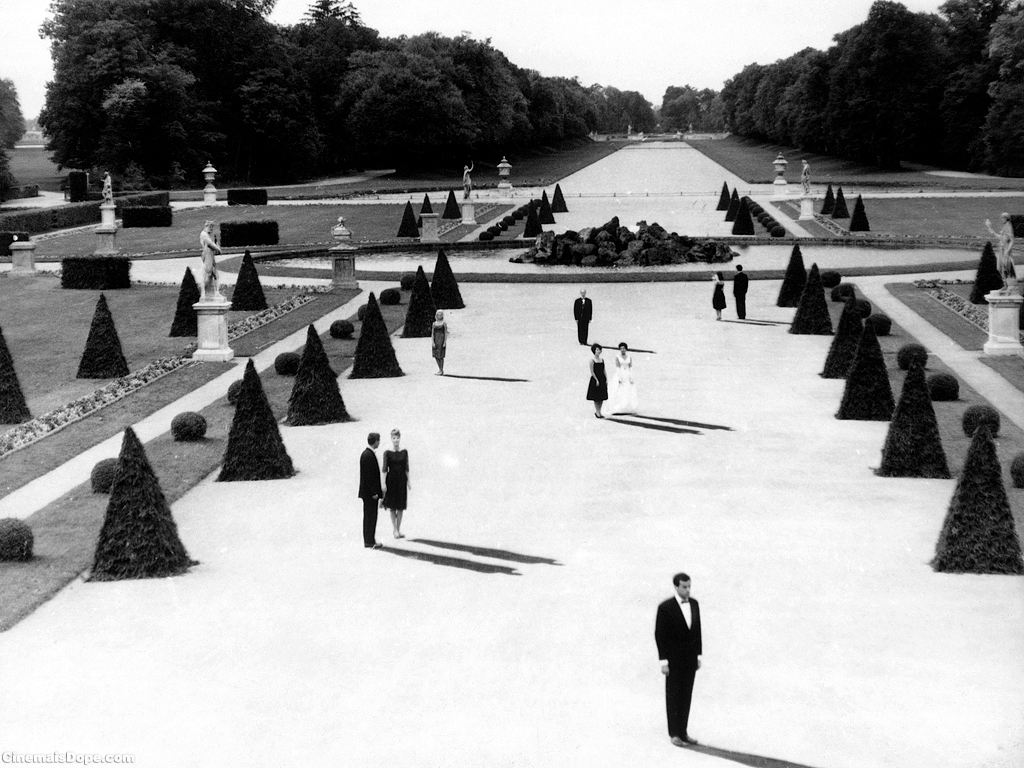
One of the most polarizing, puzzling films ever made, it makes “2001: A Space Odyssey” seem straightforward. Set in a spooky, ornate party (actually parties, with flash-forwards and flashbacks), Delphine Seyrig and Giorgio Albertazzi position themselves in the gardens and drawing rooms and have disorienting conversations about identity and truth. (The “hook” of the film, as much as there is one, is trying to figure out if these two people know one another. Hey, in French it kinda works.) There’s a parlor game involving matchsticks that we’ve never quite been able to figure out. Like ‘Hiroshima,’ every shot in this movie is art directed to the nth degree and absolutely stunning. Still, it is used as a punchline in Woody Allen’s “Manhattan Murder Mystery” to imply an insufferable night at the movies. Put bluntly, you can’t be taken seriously as a cinephile without seeing this. You don’t have to like it, but you do have to watch.
“Muriel, or the Time of Return” (1963)
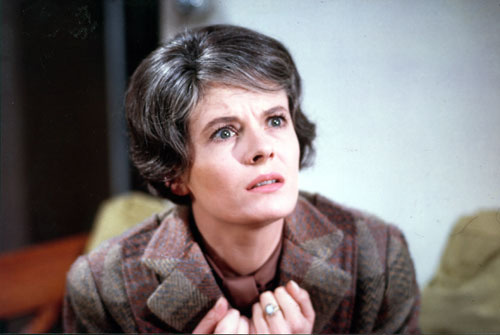
We don’t want to just list Resnais’ first batch of films, so it was between this and the Algerian war-era spy drama “La Guerre est Finie.” “Muriel” gets the pick because of its specificity of time and place. A jaundiced look at at modernizing France, “Muriel” stars Delphine Seyrig as an antiques dealer preoccupied with thoughts of a love affair from before the war. The plot involves her nephew, somewhat shell-shocked after working as an interrogator in Algeria, but what really sings is Resnais’ use of interior spaces. You’d have to wait until Cronenberg’s “Shivers” to see a modern apartment building used so effectively. Also, a section in the middle uses associative jumpcuts with the ferocity of a blast of birdshot to the face. It’s as if an entire act of the film is sliced and just spread across the screen like a fan of cards. Amazingly, it still makes narrative sense. (“Je t’aime, Je t’aime” is an entire film of this technique which, in our opinion, is a tad too much.)

