



No. 42 – “Arrested Development”
Premiere Date: November 2, 2003 (5 seasons)
FOX, Netflix
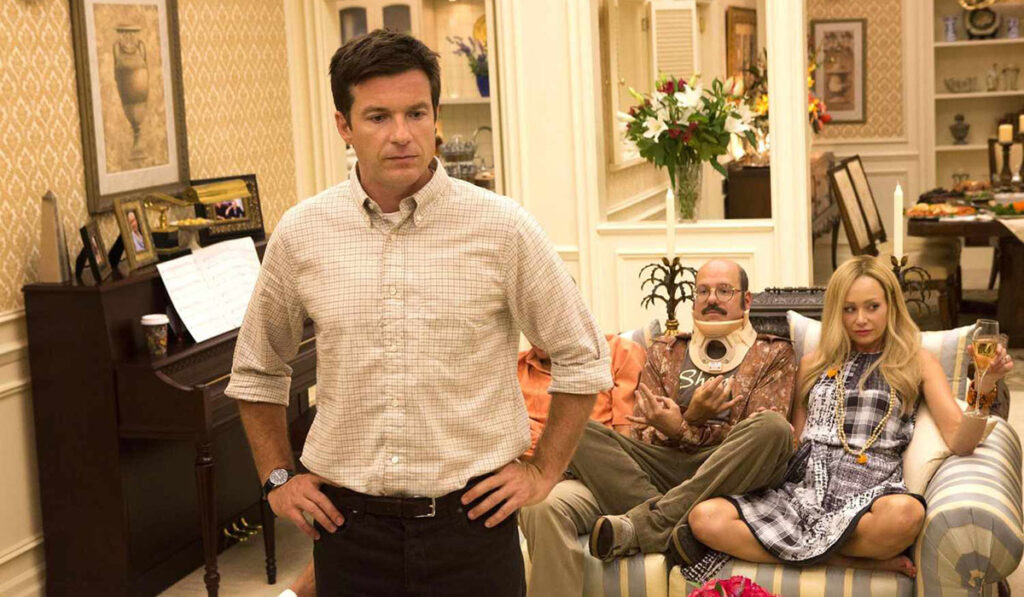
In theory, nothing is more fun to watch than rich people dealing with the prospect of no longer being rich. Using a mockumentary aesthetic without the talking heads, Michael Hurwitz’s “Arrested Development” saw the Bluth family hit tough times after their scheming patriarch, George. Sr. (Jeffrey Tambor) defrauds his investors and goes to jail. Michael (Jason Bateman) wants to try to save the family business, but his dysfunctional family, including his often delusional mother Lucille (Jessica Walter), narcissistic sister Lindsay (Portia de Rossi), mama’s boy brother Buster (Tony Hale), and his over-the-top, seguway driving brother Gob (Will Arnett). Oh, and did we mention Michael’s son George Michael (Michael Cera) has a longstanding crush on his cousin Maeby (Alia Shawkat)? Or Lindsay’s “he’s got to be gay” husband, Tobias (David Cross)? A critic and cult favorite on FOX that earned newfound popularity on Netflix after a fourth season was greenlit seven years after its initial cancelation, “Arrested” broke new ground for any televised comedy series, whether on a broadcast network or cable, mixing high and low-brow humor unlike any show before it.
No. 41 – “Beef”
Premiere Date: April 6, 2023 (1 season)
Netflix
Inspired by the simple concept of a road rage incident that escalates out of control, Lee Sung Jin’s “Beef” eventually transforms itself into a quintessential snapshot of the early 2020s (or at least 2020s Southern California). As the series progresses, the dueling drivers, portrayed masterfully by Ali Wong and Steven Yeun, find themselves taking extraordinary measures and making morally questionable decisions for financial gain and/or personal success, often embracing their inherent anger at the world around them. Hilarious, increasingly surreal, and heartbreaking, this is a unique social satire that cannot be duplicated (so, of course, a second season is on the way). Beyond Wong, Yeun, Young Mazino, and Maria Bello‘s fantastic performances, the series is masterfully directed by Hikari, Jake Schreier, and Jin, with a swinging-for-the-fences finale episode that might just provide a spark of hope for all of us.

No. 40 – “Black Mirror”
Premiere Date: December 4, 2011 (7 seasons, 1 special, 1 interactive film)
Channel 4, Netflix
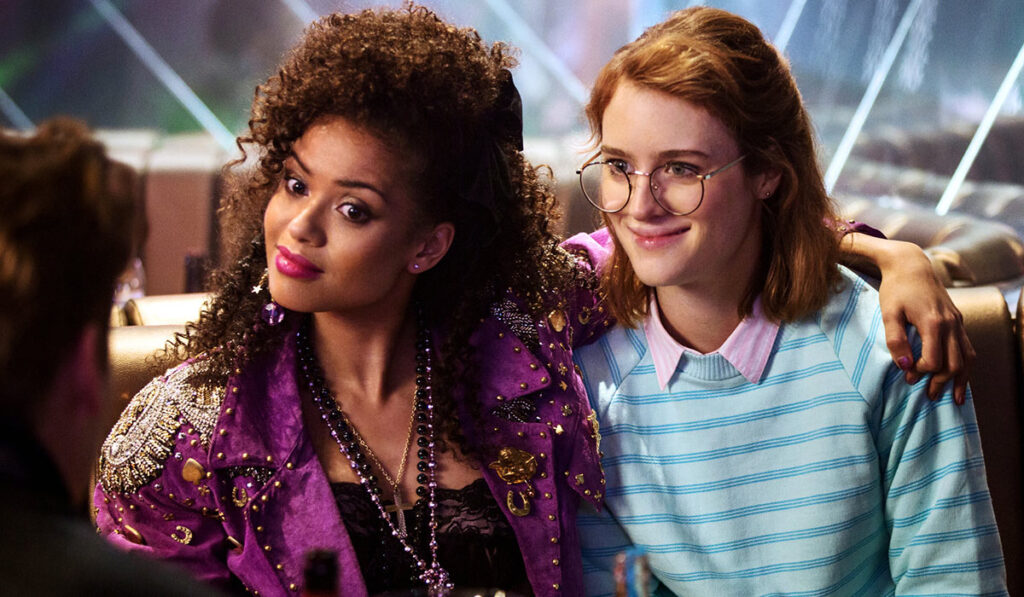
Did Charlie Booker somehow improve on Rod Sterling‘s classic 1960s drama “The Twilight Zone,” or has he come close enough to just broach the conversation? Whatever the case, 33 episodes later, “Black Mirror” is an often brilliant and imaginative anthology series that intentionally centers on near-future or alternate future storylines. From a politician forced to do an unthinkable act to save a member of the royal family in “The National Anthem” to the unexpected simulated world romance of “San Junipero” to the horror digital clones endure in “USS Callister” to an innocent woman discovering her life is being broadcast without her consent in “Joan is Awful,” to the unfathomable horrors of “The Black Museum,” the series always feels one step ahead of a potential real-life digital nightmare. Over the years, “Black Mirror” has also featured incredible turns from the likes of Tessa Thompson, Letitia Wright, Hayley Atwell, Domhnall Gleeson, Rory Kinnear, Andrew Scott, Cristin Milioti, Plemons, and, most recently, Paul Giamatti. The acclaim of the early seasons also saw directors such as David Slade, Jodie Foster, Joe Wright, Dan Trachtenberg, James Hawes, John Hillcoat, and John Crowley come on board to direct individual episodes.
No. 39 – “When They See Us”
Premiere Date: May 31, 2019 (limited series)
Netflix
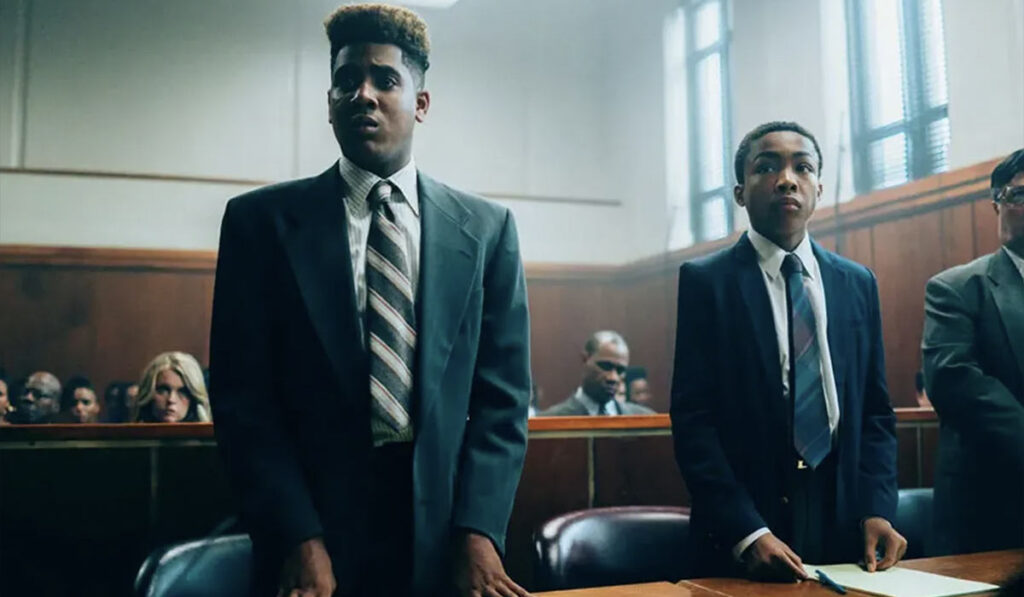
Ava DuVernay’s narrative achievement chronicled the events surrounding the 1989 Central Park Jogger attack, which eventually saw false convictions for the “Central Park Five” as their case played out in a biased media landscape. The series’ masterfully cast ensemble featured jaw-dropping performances from Jharrel Jerome, Asante Blackk, Caleel Harris, Marquis Rodriguez, and Ethan Herisse as the accused perpetrators. Over just four episodes, DuVernay paints individual portraits of all five boys (eventually portrayed as grown men) and how an unjust New York City legal system affects not only their lives but the paths of their families for decades to come. Despite being exonerated, despite a monetary settlement from the city of New York, their futures are irrevocably shattered. The series also features the third pitch-perfect collaboration between DuVernay and renowned cinematographer Bradford Young. A searing depiction of injustice that will never not be relevant.
No. 38 – “Transparent”
Premiere Date: February 6, 2014 (5 seasons)
Prime Video
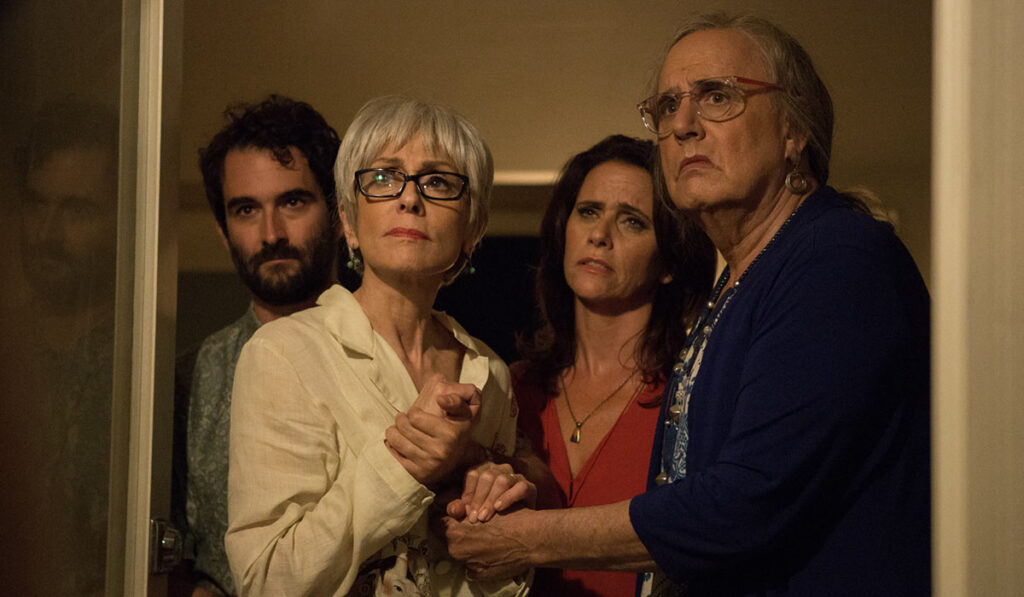
Over a decade later, it’s almost hard to believe Joey Soloway‘s “Transparent” ever made it to a. screen or was one of the first programs on the Prime Video streaming service. Inspired by Soloway’s own family, the series followed the Pfeffermans as they came to terms with their parent coming out as a trans woman at 70. Despite criticism that Maura shouldn’t have been played by a CIS man, Jeffrey Tambor (whose exit from the show after sexual harassment on the set only made that choice look worse), the program was groundbreaking in depicting the difficulty of trans lives in contemporary America. As the years pass, Maura’s adult children find themselves exploring their sexuality and preferences. Maura’s son Josh (Jay Duplass) shows his true colors in an almost dalliance with Shea (Trace Lysette) (one of the most memorable episodes of the entire series), oldest daughter Sarah (Amy Landecker), who leaves her husband to be with a woman, and Ali (Gaby Hoffman), the youngest sibling who explores her own gender identity. Watching it all and trying to be understanding after her decades-old marriage is turned upside down is the matriarch, Shelly (Judith Light). “Transparent” probably didn’t get to end how Soloway envisioned (Maura was not recast), but it was a humane and painfully real depiction of Trans identity during an era where that wasn’t a political issue. There was sympathy and love in the Pfeffermans family that the world could surely use now.
No. 37 – “Girls”
Premiere Date: April 15, 2012 (six seasons)
HBO
After her feature film breakthrough “Tiny Furniture” turned heads following its SXSW Film Festival debut, Lena Dunham did what all great filmmakers do: she went to HBO and created a seminal series for a generation of millennial women. Centered on the professional and personal foibles of twentysomething aspirational writer Hannah (Dunham), “Girls” was a sensation from the moment it premiered. It introduced Dunham’s three talented co-stars as Hannah’s BFFs, Allison Williams, Jemima Kirke, and Zosia Mamet, as well as Adam Driver as her boyfriend. Over six years, the women changed, their problems multiplied, and their friendships were tested. Dumham, Jenni Konner, and Sarah Heyward, along with a slew of other contributors, crafted a show that unintentionally became the most accurate televised depiction of New York City (er, Brooklyn) hipster culture in the 2010s. It also completed production of its final season just as Trump came to power, making it an inherent snapshot of the Obama era. Dunham somehow always made you root for Hannah, and her co-stars shaped their characters as distinctly as the other HBO landmark program that made the list right ahead of them. It was also searingly funny. Dunham’s ability to find the humor in grounded moments was a gift. She also knew when to end the series, leaving you wondering where these women are living and coping today.

No. 36 – “Sex and the City”
Premiere Date: June 6, 1998 (six seasons)
HBO
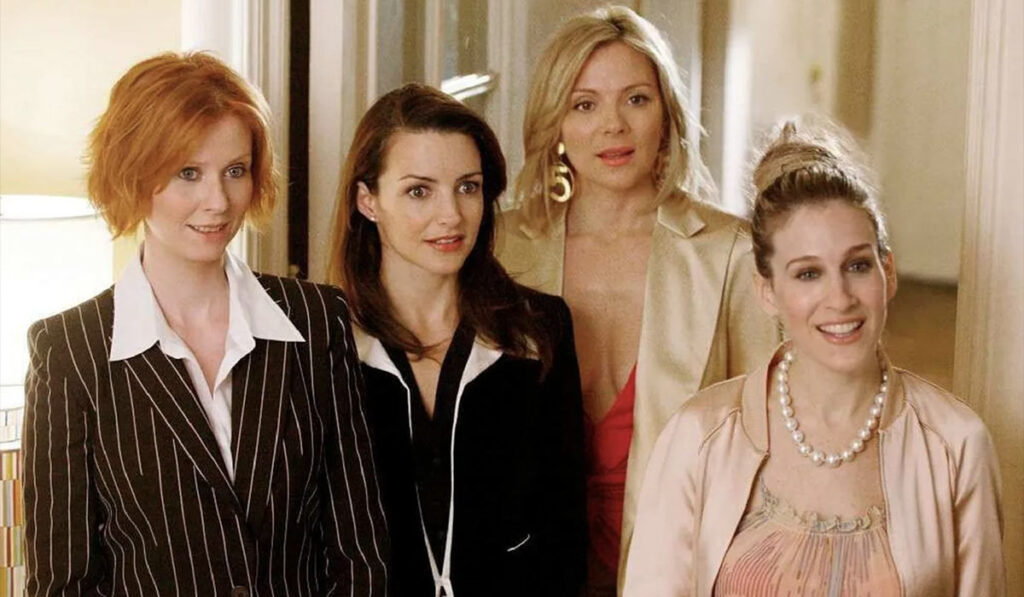
Aspirational and perhaps a bit fantastical, Michael Patrick King’s “Sex and the City” became a shiny window into Rudy Giuliani’s commercialisation of New York City at the turn of the century. The show began and ended with Carrie Bradshaw (Sarah Jessica Parker), who chronicles the ups and downs of her romantic life and her friends’ lives as a columnist for a fictional New York newspaper. Her friends, 40-something, sexually liberated Samantha Jones (Kim Cattrall); Charlotte (Kristin Davis), the most idealistic and sexually conservative of the bunch; and Miranda Hobbes (Cynthia Nixon), an attorney who has no interest in getting married (let alone having kids) as the series begins, became archtypes for every female (and gay male) friend group to identify with in America. Covering sexual topics that were even taboo for HBO at the time, the series truly resonated not because of its comedic hijinks, brunch scenes (it increased the popularity of the Cosmopolitan a hundredfold), and Patricia Field’s distinctly fanciful outfits (for Carrie at least), but how it explored this generation of women attempting to manage their careers and personal lives to both their expectations and their friends and boyfriends surrounding them. After Sept. 11, it also became go-to escapist television for a country in crisis.
No. 35 – “The White Lotus”
Premiere Date: July 11, 2021 (3 seasons)
HBO
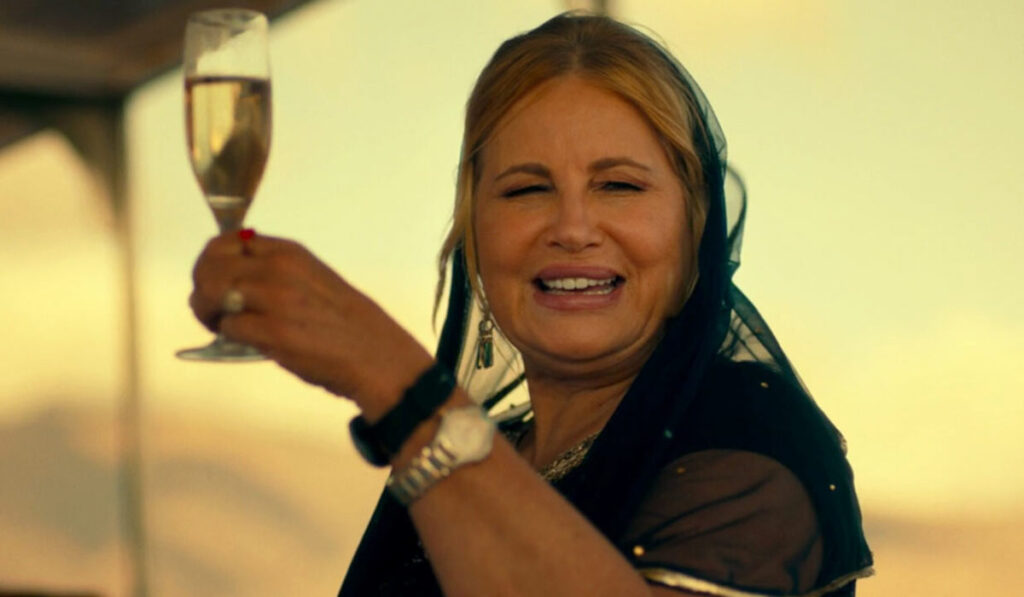
Originally an excuse to shoot an original series in a safe COVID space during the pandemic (in the case of the first season, a resort on the island of Maui), Mike White‘s take down of the fallible guests at a series of fictional White Lotus resorts turned into a moral rorschach test like no other. After revealing a murder at the beginning of each season, White flashes back a week prior as the subsequent episodes provide clues about who among the vacationing resort guests could be the victim and/or the killer. White’s social commentary is often scathing while also hinting that many of these well-off Americans (the guests are almost all from the U.S.) have a path for redemption or growth. He also peppers each cast with addictively appealing characters such as Tanya (Jenifer Coolidge, seasons 1 and 2), Belinda (Natasha Rothwell, seasons 1 and 3), and Victoria Ratcliff (Parker Posey, season 3). The show’s cultural influence has somehow been larger than its considerable viewership, with lines such as “These gays are trying to kill me” and “Piper, No!” becoming part of the pop culture lexicon. And you know a show has made its mark when a dance remix of the theme song has 30,000 people dancing up and down at Coachella.
No. 34 – “Angels in America”
Premiere Date: Dec 7, 2003 (limited series)
HBO
Adapted from Tony Kushner‘s Pulitzer Prize-winning 1991 play, “Angels in America” demonstrated the cinematic heights that prestige television could reach in an era where “The Wire” and “The Sopranos” were already making waves. Arguably the last great filmed work from director Mike Nichols, “Angels” followed six New Yorkers whose lives intertwine in 1985 as the AIDS crisis is hitting a crisis point. Divided into six episodes from Kushner’s two theatrical chapters, “Millennium Approaches” and “Perestroika,” the series follows Prior Walter (Justin Kirk) as he succumbs to the disease, and an angel (Emma Thompson) calls on him to become a prophet. The closeted and notorious Roy Cohn (Al Pacino) is mentoring another closeted man, Joe Pitt (Patrick Wilson), who is in a sexless marriage with Harper (Mary Louise Parker), a Valium addict. When Cohn is diagnosed with AIDS and hospitalized, he begins to be haunted by the ghost of Ethen Rosenberg (Meryl Streep). The latter actress plays multiple roles throughout the series, as do Jeffrey Wright and Thompson. A tome ultimately about forgiveness, “Angels” is a masterwork thanks to Nichols’ ability to transform an almost 8-hour stage experience into an intimate, heartbreaking, cinematic wonder.


