


Whoopi Goldberg
Best Known Comedic Roles: Goldberg was a stand-up for some time, and went onto star in, among others, “Soapdish,” “Sister Act,” “Corinna Corrina,” “Eddie” and “Rat Race.”
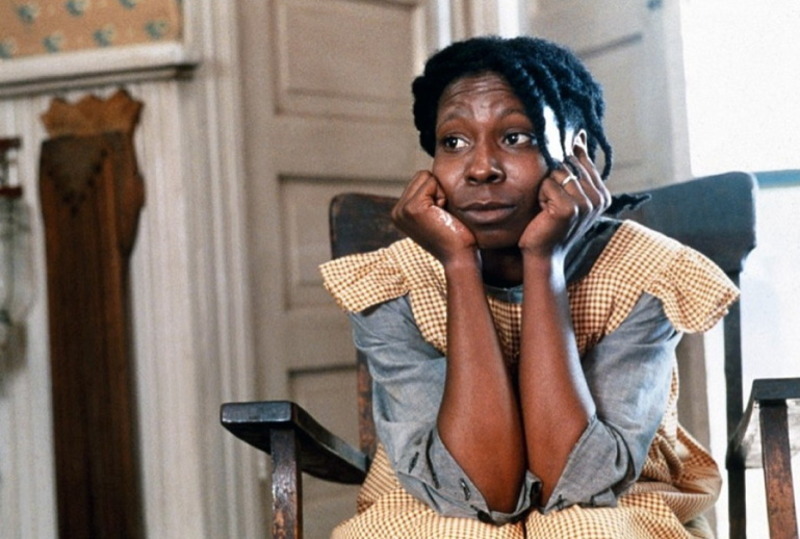
Best “Serious” Dramatic Turn: Unusually for a comedian, Whoopi Goldberg broke into the movies not through funny films, but through serious ones: her Mike Nichols-directed Broadway show attracted the attentions of Steven Spielberg, who cast her in a major role in his adaptation of Alice Walker’s “The Color Purple.” Despite her Oscar for (a mostly comic relief role in) “Ghost,” that film probably remains the highlight of Goldberg’s dramatic career. The actress won her first Academy Award nod for the lead role of Celie, trapped in an abusive marriage to the vile Albert (Danny Glover), who eventually finds the strength to escape him. Spielberg’s adaptation is overly sentimental and occasionally shrinks from elements of the source material (most notably a lesbian romance sub-plot), but the performances are very fine across the board, and Goldberg’s is the very heart of it. Initially downtrodden and helpless, she grows in stature even as the indignities pile up, and her eventual ability to throw off Albert is genuinely moving. Those who know the actress best from “The View” would do well to check her out in this to be reminded of her talents.
Other Dramatic Roles Of Note: “Ghost” aside, Goldberg’s also good in “The Long Walk Home,” “The Player,” “Boys On The Side,” “Moonlight And Valentino,” “Ghosts Of Mississippi” “Girl Interrupted,” and “How Stella Got Her Groove Back.” In fact, it’s a shame that her screen performances these days are limited to cameos in the likes of “Teenage Mutant Ninja Turtles.”

Will Ferrell
Best Known Comedic Roles: “Zoolander,” “Old School,” “Elf,” “Anchorman.” “Talladega Nights,” “Blades Of Glory,” “Step Brothers,” “The Other Guys,” “The Lego Movie”
Best “Serious” Dramatic Turn: “Everything Must Go” (2010)
The film itself is never really more than fine: a slightly by-the-numbers Sundance pic about an alcoholic salesman fired from his job and dumped by his wife and who sells all his possessions in a yard sale, aided by a young kid (C.J. Wallace) and a friendly neighbor (Rebecca Hall). Ferrell admirably steers away from the quirk that could unbalance the picture, riffing on his “Old School”-ish Everyman persona, but with a darker, duller tinge to him, and he perfectly captures that spiraling despair of an alcoholic in a way that you wouldn’t necessarily think he was capable of. There’s a scene between him and Laura Dern in particular which is remarkable and suggests that Ferrell should do this kind of thing much more often.
Other Dramatic Roles Of Note: Ferrell’s not gone really dark on screen yet, but has flexed some other muscles in a few dramedies: he was a pretty good Woody Allen surrogate in “Melinda & Melinda,” he’s pretty solid opposite Zooey Deschanel and Ed Harris in Adam Rapp’s “Winter Passing,” and was strong in Marc Forster’s Diet Charlie Kaufman fantasy “Stranger Than Fiction.”
Richard Pryor
Best Known Comedic Roles: Aside from being the most-lauded and influential stand-up of his generation, Pryor starred in “Uptown Saturday Night,” “Car Wash,” “Silver Streak,” “The Wiz,” “Stir Crazy,” “The Toy,” “Superman III,” “Brewster’s Millions” and “See No Evil, Hear No Evil.”
Best “Serious” Dramatic Turn: “Blue Collar” (1978)
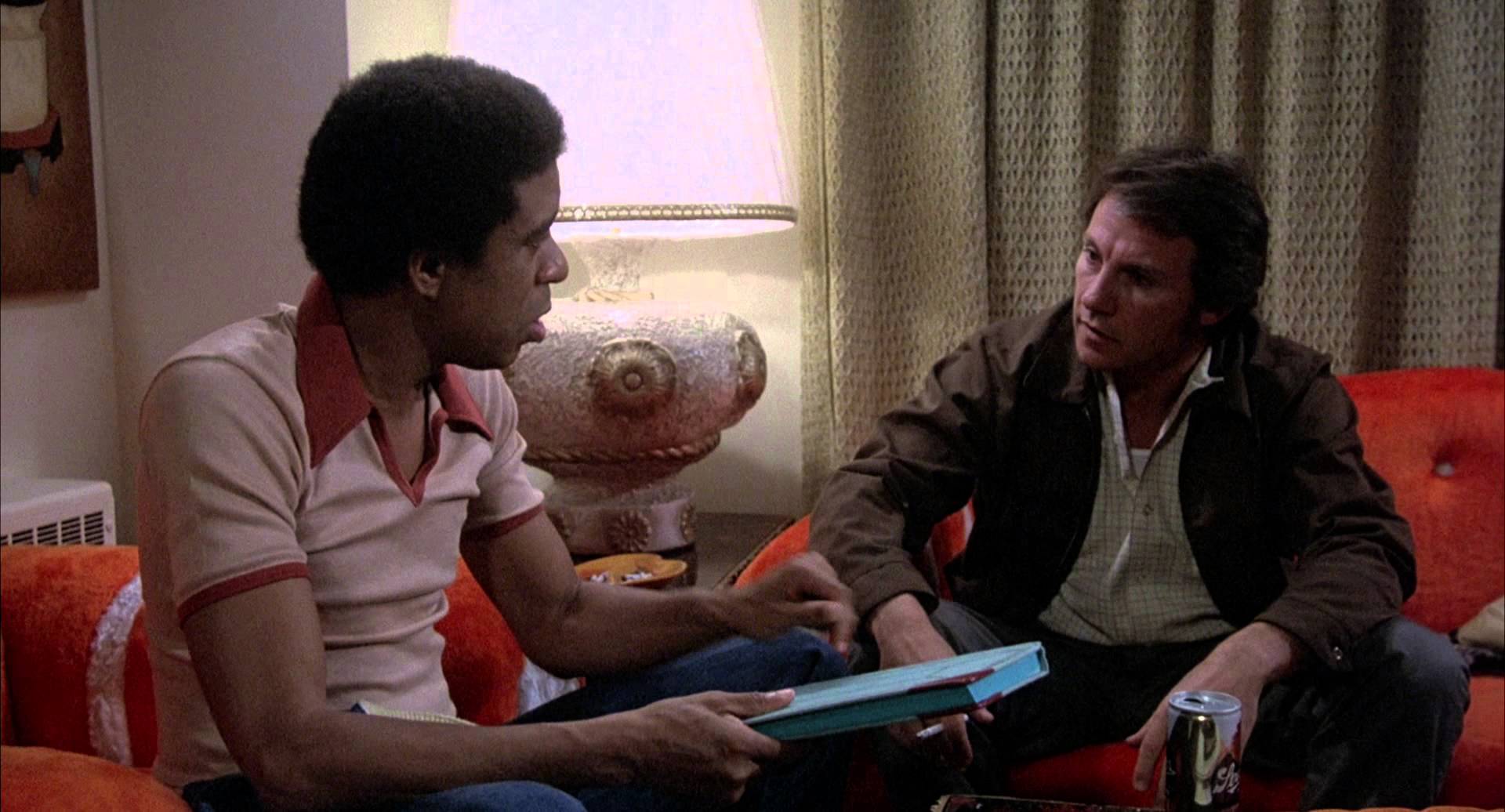
He might have clashed with director Paul Schrader (Pryor was at the height of his drug intake, and apparently pulled a loaded gun on the filmmaker, causing him to have a nervous breakdown), but the results on the “Taxi Driver” writer’s directorial debut speak for themselves. It’s a terrific and still somehow undervalued picture, with a great performance from the star along with Harvey Keitel and Yaphet Kotto. The trio play a group of Detroit auto employees who conspire to rob their union bosses, and while all are excellent in a taut, substantial thriller, it’s Pryor who’s truly revelatory. As with many of the best performances on this list, he strips away his comic tics and mannerisms, restrained and underplaying as a family man worlds away from his comic persona (while being plenty funny in the scenes that establish the easy chemistry between the trio).
Other Dramatic Roles Of Note: Pryor had already stepped towards more dramatic roles a year or two earlier with NASCAR biopic “Greased Lightning.” He’d go on to add serious strings to his comedic bow with “Some Kind Of Hero,” the aforementioned “Harlem Nights” and, even when his health was failing, “Pulp Fiction” knock-off “Mad Dog Time” and in his final screen role, a haunting cameo in David Lynch’s “Lost Highway.”
Mo’Nique
Best Known Comedic Roles: Aside from her career as a stand-up and on UPN sitcom “The Parkers,” Mo’Nique also appeared in “Beerfest,” “Two Can Play That Game,” “Welcome Home Roscoe Jenkins” and “Phat Girlz.”
Best ‘Serious’ Dramatic Turn: “Precious” (2009)
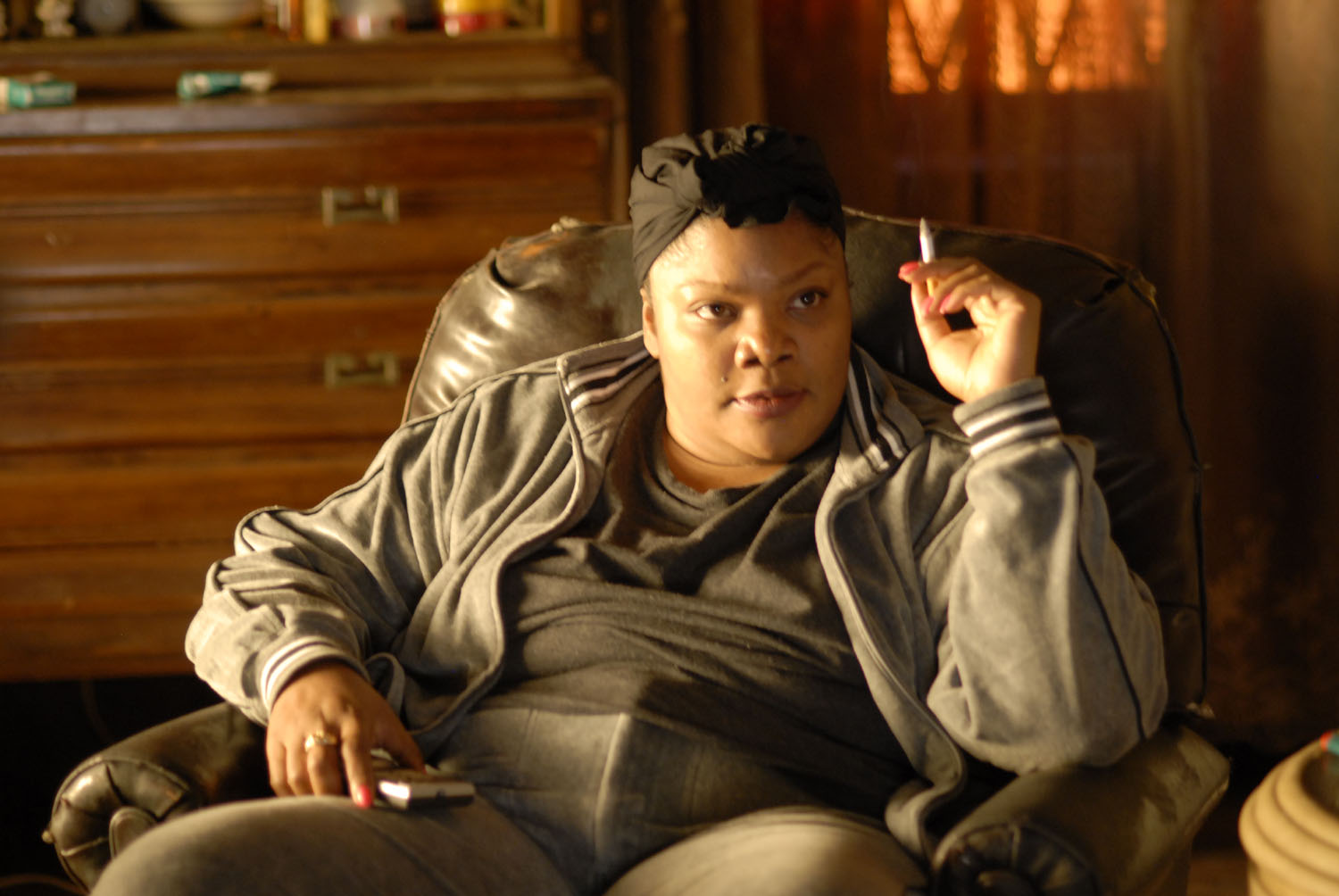
From “Phat Girlz” to an Oscar in only a few years: Mo’Nique had one of the more surprising career paths in show biz history, but with a meaty role like the one she took the Academy Award for Best Supporting Actor for, in Lee Daniels’ “Precious,” it’s not hugely surprising. The stand-up/actress played Mary, the monstrous, abusive mother of Gabourey Sidibe’s title character, who facilitates and/or enacts her rapes and physical beatings, one of the most indelibly unpleasant characters in recent screen history. But love or loathe Daniels’ film, there’s no denying the towering force of the actress’ performance and the way that she somehow imbues some humanity into the character —her last scene in particular is a complex masterclass in performance.
Other Dramatic Roles Of Note: Prior to “Precious,” Mo’Nique had also appeared in John SIngleton’s “Baby Boy,” Tony Scott’s “Domino” and, as a character coincidentally called Precious, in Lee Daniels’ debut “Shadowboxer.” She returned to the screen this year in the drama “Blackbird” opposite Isaiah Washington.

