


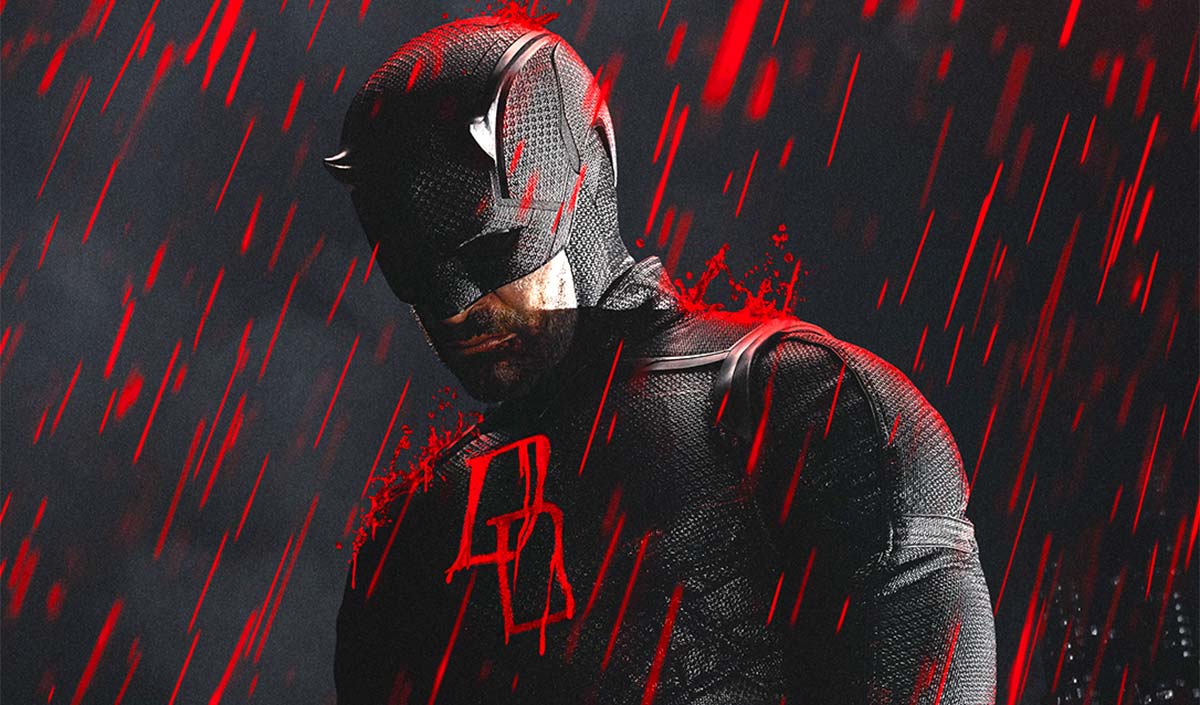
“Daredevil” has always been a difficult character to pin down on screen. For years, there’s been a version of the property that filmmakers and fans alike have chased since the Netflix era—not the one that sagged under sluggish pacing or lurched into camp and melodrama. Still, the one that felt razor-edged, grounded, and emotionally battered in ways most comic-book adaptations rarely sustain.
“Daredevil: Born Again” Season 2 finally seizes that version and doesn’t let go.
READ MORE: The 75 Most Anticipated TV Shows & Mini-Series Of 2026
After a strong but uneven, visibly stitched-together first season, Season 2 locks the character into place with startling confidence. This is the best “Daredevil” has ever been. Not marginally better—decisively better. It outstrips the Netflix run and steamrolls nearly everything Marvel has produced for television. That may sound like an overstatement, but the season earns that claim with unnerving ease.
What’s most striking is how it gets there. The show doesn’t inflate itself with bigger set pieces or louder spectacle. It cuts deeper instead. This season is leaner, more controlled, and far more interested in the machinery of power than in empty displays of it.
Because Season 2 is unmistakably about power—who wields it, who mistakes proximity for possession, and who gets ground beneath it. And it doesn’t bother burying that idea in subtext. The writing attacks it head-on. The season is blunt, brutal, and all the better for it.
That approach will absolutely alienate some viewers. It’s supposed to.
Much of that force runs through Charlie Cox and Vincent D’Onofrio, both of whom deliver career-best work here. Cox plays Matt Murdock as a man stripped raw—more exposed, more fractured, and far less capable of separating the warring halves of his identity. The show doesn’t sand down that damage; it presses on it.
D’Onofrio, especially in the back half of the season, is flat-out devastating. This is the most sinister, human, and emotionally unstable Fisk the series has ever given him. He remains calculating and controlled, but the cracks have widened enough to expose the pressure boiling underneath. It’s the finest work he’s done in the role, which says a great deal given how strong he’s always been.
Better still, the supporting players no longer feel ornamental—they feel indispensable. Karen Page is restored to the center of the story in a way that genuinely matters after a first season that all but shoved her aside. Michael Gandolfini’s Daniel Blake develops into something far more layered, vulnerable, and unexpectedly human than initially suggested. Wilson Bethel’s Bullseye is used with exacting precision and hits like a hammer every time he enters the frame.
Then there’s the criminally underused Matthew Lillard, who makes such a vivid impression that even limited screen time feels disproportionately potent. He brings a sly, destabilizing energy that the season knows exactly how to weaponize. His presence doesn’t register as a cameo or a detour—it feels like the beginning of something.
Even Jessica Jones (Krysten Ritter) is reintroduced with admirable restraint. There’s no self-congratulatory fanfare, no desperate pause for applause. She’s folded back into the world as though she belongs there—which, of course, she does. That lack of showboating gives her return real weight.
The same discipline shapes the action. The one-take brawls remain vicious and expertly staged, but they’re no longer treated as the main attraction. They emerge from character, from Matt’s mental state, from the emotional and moral stakes of the moment. As a result, they hit harder than any technical flex ever could.
That same clarity is what makes the season’s unnervingly timely political dimension work. The show isn’t coy about its parallels. Fisk functions as a figure of authoritarian power, systemic corruption, and civic rot, and the real-world echoes are impossible to miss. Anti-fascist, anti-ICE, anti-Trump readings aren’t buried deep in the text—they’re staring directly back from the surface.
That will divide audiences. It already feels designed to. But there’s something bracing about how completely the season refuses to hedge. It commits. It follows the implications through. And in doing so, it gives the series a charge of urgency that Marvel television too often ducks.
All of it barrels toward a finale that earns the right to be called epic. Not merely in scale, but in consequence. The season finale pays off its themes, resolves long-simmering tensions, and cashes in character arcs with real force. It doesn’t flinch. It doesn’t retreat into compromise. It lands with impact and leaves bruises.
There are still traces of the larger Marvel apparatus at the margins. They’re visible. But they never swallow the show, and more importantly, they never dilute its purpose. That’s why Season 2 works so well: it finally feels like a series that knows exactly what it is, exactly what it wants to say, and exactly how hard it wants to hit.
This time, it follows through—blood, guts, fury, and all. [A-]
“Daredevil: Born Again” Season 2 premiered this week on Disney+ and will run through May 5th.


