




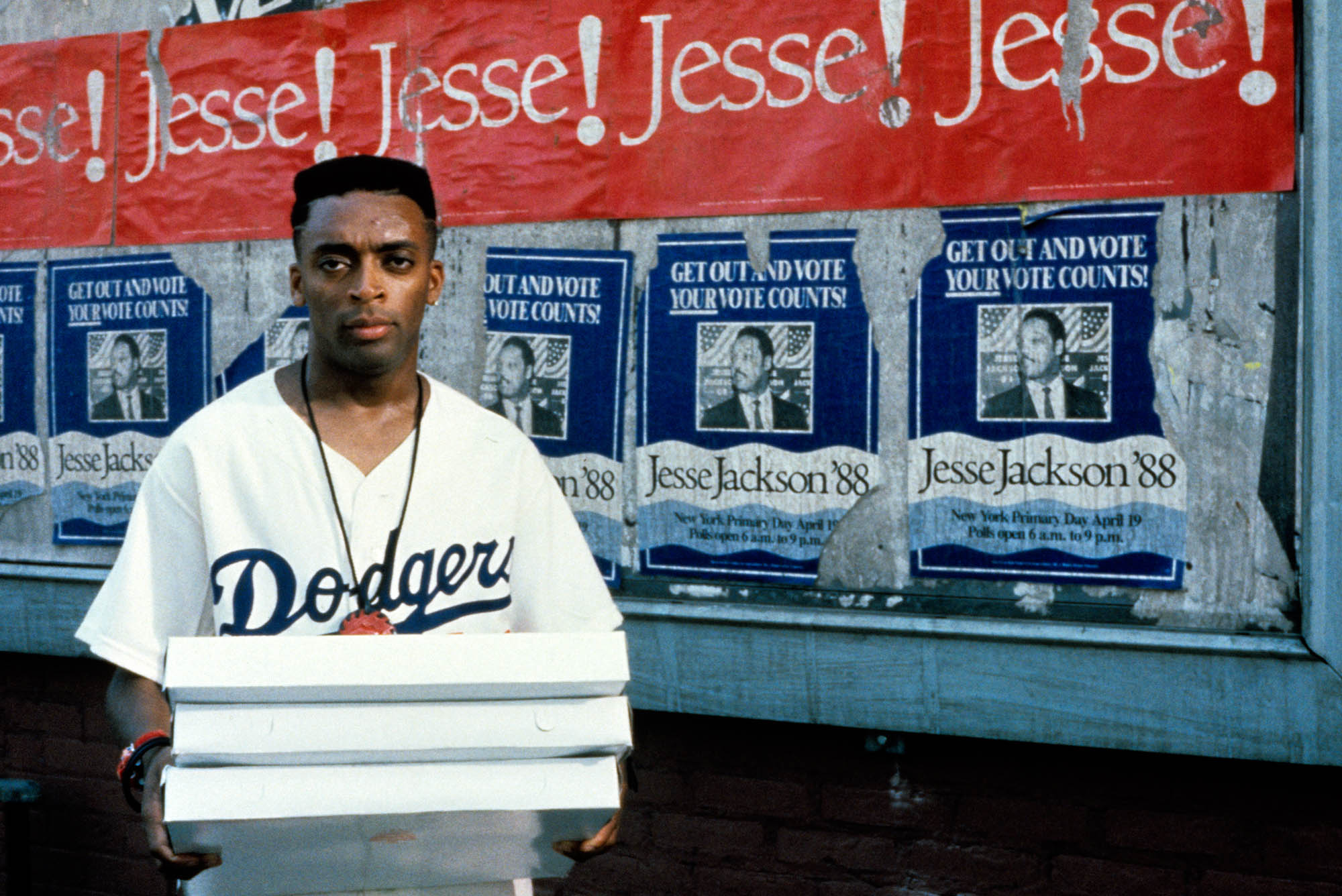
 Having been burned by a change of regime at Columbia, who financed “School Daze” under David Puttnam but whom Lee would accused of botching the promotion when Puttnam was replaced by Dawn Steel, Lee instead brought “Do The Right Thing” to Paramount and Touchstone. The former was apparently Lee’s first choice possibly, as is suggested in William Grant’s essay in the collection “Spike Lee’s Do The Right Thing” in part because Paramount Communications owned the Knicks and Lee hoped for a season ticket. But when Paramount started to get gun shy about the ending, wanting Lee to reel it in a little and have a more unequivocal reconciliation occur between Sal (Danny Aiello) and Mookie, Lee took it to Universal instead, who came in under his requested budget of $8m but granted him artistic freedom and final cut.
That choice, to reject the higher budget and paycheck in favor of less money but more hands-off support and personal control, is surely one of the most fateful that Lee made, as it’s impossible to see how the film’s giddy, high-wire balancing act, it’s knife-edge ambivalence and uncompromised complexity, could have survived any sort of committee interference. Especially that damn trashcan; Lee’s friend, frequent collaborator and ‘DTRT’ co star John Turturroeven told Mark Kermode back in 2006: “I read the script and liked it, even though I had some problems with the ending. I still do actually, but I’ve always been honest about it.” And Tom Pollock, head of Universal who greenlit the film said of Lee’s reasons for leaving Paramount: “They just couldn’t understand why Mookie throws the trash can through Sal’s window. Quite honestly, I didn’t understand either, until it was explained to me by Spike.”
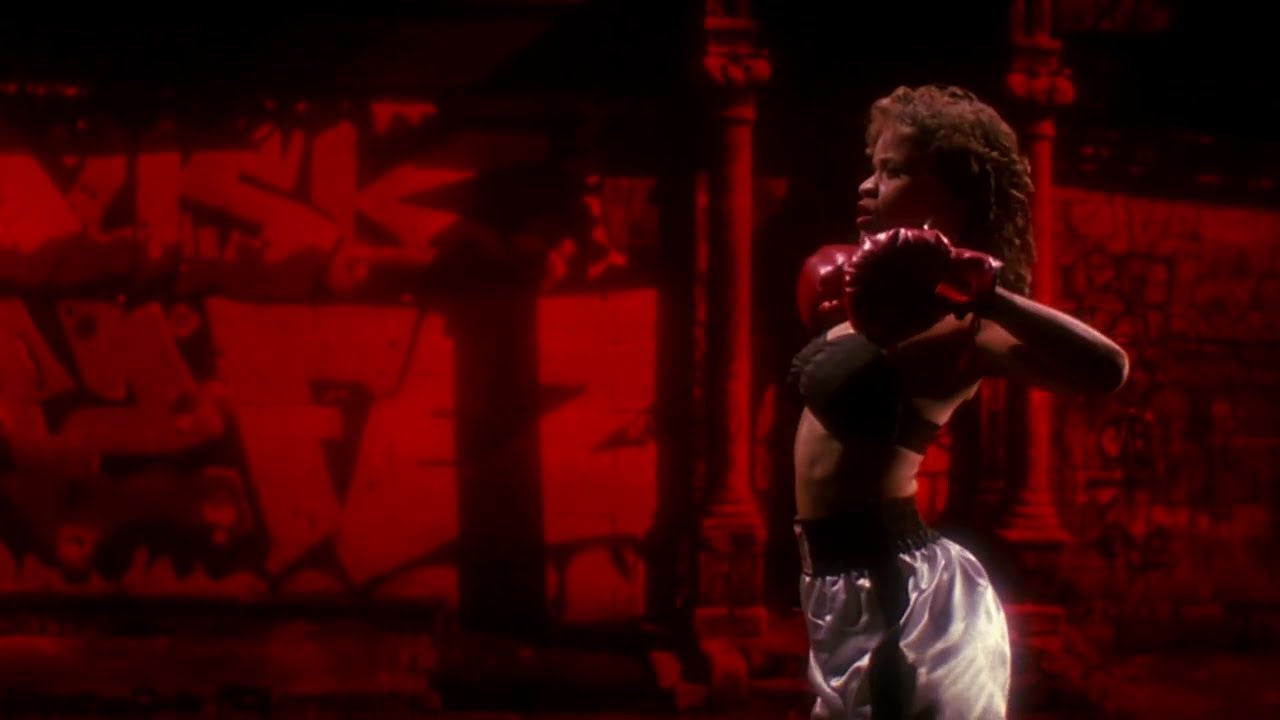 But of course Lee has never explained why Mookie throws the trashcan through the window (though he has claimed on several occasions that it has only ever been white people who’ve even asked him that question). Nor why Mookie goes back afterward to demand his pay from Sal, nor why Sal pays up, nor why Mookie initially rejects his grudging largesse, only to then pick up the extra money anyway. Or rather, he has never explained whether he believes any of these actions or behaviors is “the right thing” or not. And that’s where the whole baffling “Spike Lee’s films are racist” nonsense is shown up for the crazy it is: we simply cannot think of any film whose point of view on racism is more a reflecting pool of the prejudices and cultural indoctrination of the person watching, because the film itself is near-impossible to call on that front. Where David Denby, then of New York Magazine saw Lee’s potential irresponsibility particularly located in the ending which was “a shambles…an open embrace of futility” others, ourselves included, find the ambiguity and even-handedness of the ending to be one of the film’s greatest achievements (Lee referred to Denby recently in a Rolling Stone article: it clearly still rankles). It is provocative in the best way, in that it provokes you to make your own moral decisions about the characters without ratifying one approach or the other. Is this futility or is it simply an acknowledgement of, and a refusal to compromise on, the complexity of its themes?
One day you’re gonna be nice to me. We may both be dead and buried, but you’re gonna be nice. — Da Mayor (Ossie Davis)
Central to that complexity was the kind of authenticity Lee got by shooting on location in the Brooklyn neighborhood of Bed-Stuy — the film was shot exclusively on Stuyvesant Avenue between Quincy Street and Lexington Avenue. The disruption this caused the local residents and the occasionally comical responses to it form the backdrop to one of the “making of” featurettes on the Special Edition, as meetings and block parties are held to get the locals behind the project, while production designer Wynn Thomas did such a good job creating facades for the Korean-owned store and Sal’s Pizzeria that apparently people kept trying to buy groceries and slices from the nonplussed set builders.
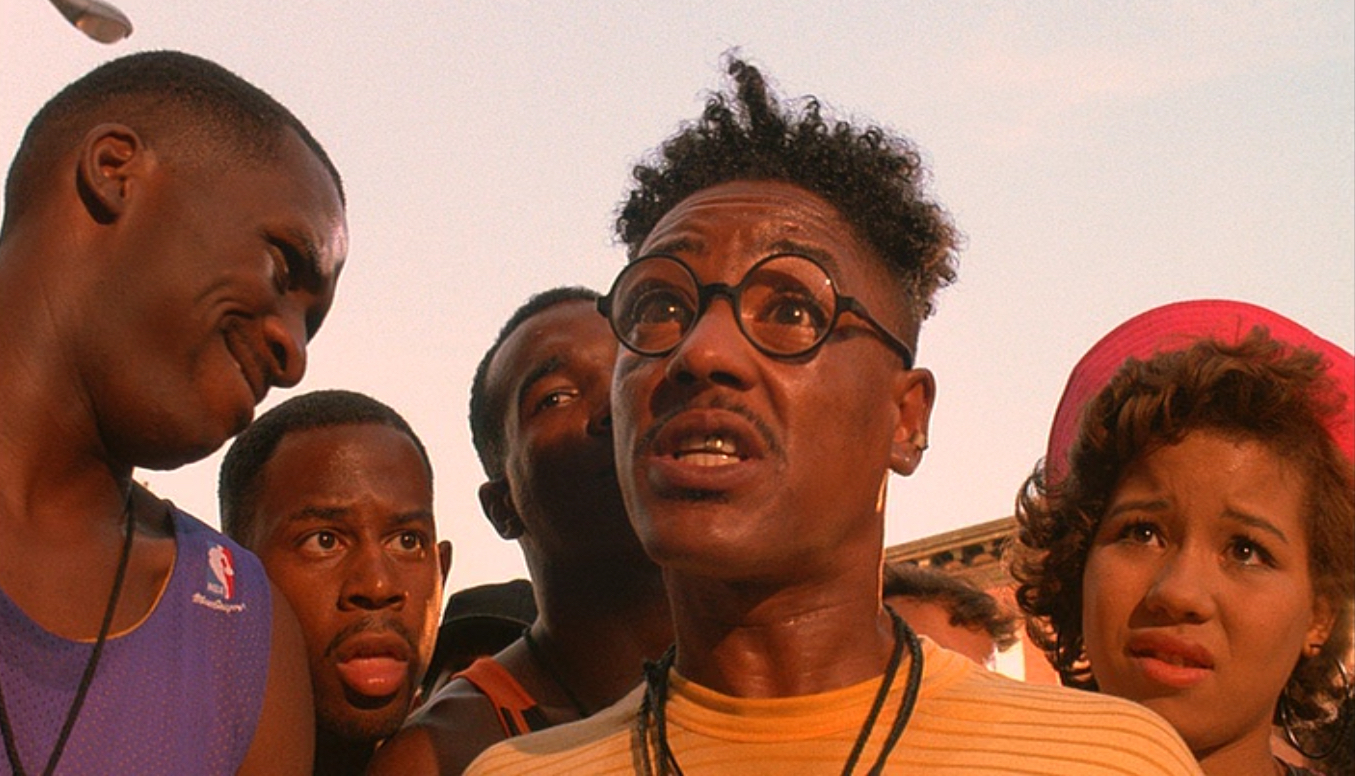 But Lee’s insistence on that location also had financial and industry ramifications: as he recounts in his own book on the making of the film, it was his first union crew, and when he discovered that most unions didn’t have as many black members as he wanted to hire, he negotiated for concessions in this regard, seemingly contributing to a precedent that stands to this day. It feels like at every step of the process, Lee and his team were trying to attempt a kind of praxis: a production that would in its very ethos reflect the story that the film wanted to tell. And that is a story that is as much about what unites a community as what divides it.
Now for the life of me, I haven’t been able to figure this out. Either them Koreans are geniuses or we blacks are dumb. — ML (Paul Benjamin)


