


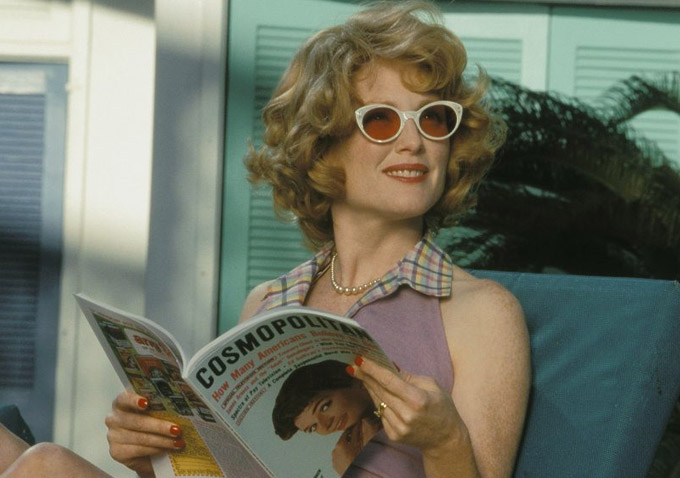
Visual Language, Similarities To “Far From Heaven”
“I think the visual language of the film was increasingly informed by the historical research that we were doing and what New York City looked like at in the early 1950s, how incredibly different a world it was when we think of the Eisenhower 1950s, which we fully explored in ‘Far From Heaven.’ It’s so funny, I remember doing research of the period, Hartford, Connecticut, 1957, and people saying, ‘there’s a great Italian American population in Hartford, so you might want to consider Italian faces as extras.’ And I was like, ‘Umm, No.’ We want everyone to look like patrician, Hollywood backlot extras like robots. Nothing remotely connected to the real Hartford in 1957. And so many people would say to me, “I remember the ‘50s and it was exactly like that!” and sometimes you’re like, is it movies that change the way we think?”
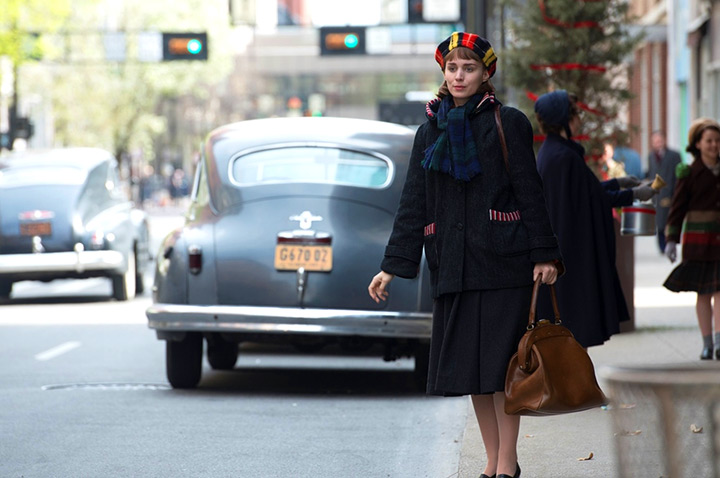
The 1950s Cultural Terrain Of Which ‘Carol’ Takes Place
“Post War New York City: it looks distressed, dirty, also the process of color photography adds a unique patina to the soil palate, where even the temperature is hard to determine, and there’s a warm and cool interplay which is really interesting. We were still made to feel newly vulnerable, by the arms race with Russian and there lead in that and that incredible frustration with the Truman administration, a real need for a change. Eisenhower had been elected, but there was a much longer time before he took office back then then there is today. So it was really in that interim where this story takes place. So there was a great deal of indeterminacy and insecurity and vulnerability and that felt like a really poignant, gorgeous terrain to watch these roots and sprouts of a love emerge at this time.”
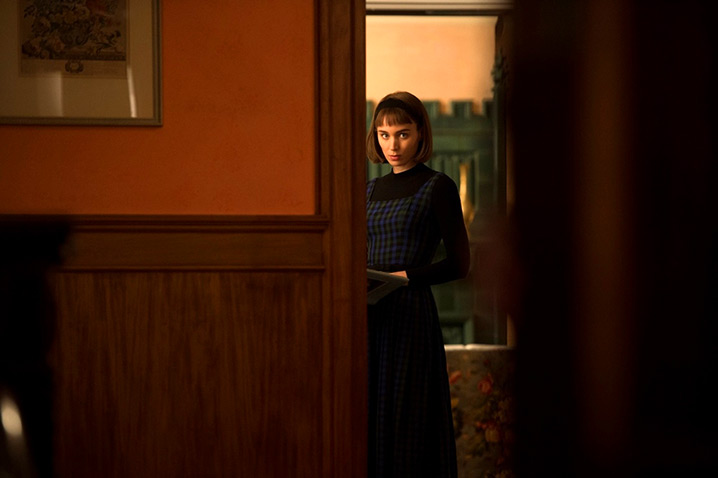
Photographers That Influenced The Look Of The Film
“On top of Saul Leiter’s beautiful work that features windows, reflections, and filtering of images there was also a great deal of beautiful color photography and it’s all by women photojournalists, Esther Bubley, Ruth Orkin who was the partner of Morris Engels, who made “Little Fugitives,” and there was one that they did together called “Lovers and Lollipops,” that’s more set in locations that were relevant to locations in “Carol,” so we kept watching it over and over again. Helen Levitt and then Vivian Maier, who is a more recent discovery but who’s work is amazing and would own the way she indiscriminately capture her own reflection in her work as a documentarian of cities. And that related to the role Therese plays in the story, in ‘Carol’ in our version she’s a aspiring photographer.”
 [iw-blockquote]”And [the perils of falling in love] are so fucking gorgeously conveyed by Patricia Highsmith because it is like the criminal mind.”[/iw-blockquote]
The Recent Death Of The Late Chantal Akerman And Her Influence.
“It’s still so… the weight of that loss is still being understood or how it can be. And maybe now that weight of her amazing body of work.” Specifically of Ackerman’s “Jeanne Dielman,” Haynes called it “profound and really exhilarating… so inspiring as a filmmaker and as someone thinking about female subjects and how they’re depicted and what we come to expect is occupied onscreen when we’re dealt the story of women’s lives and what is important and what is not important. You just fall into the incantation, the unbelievable spell of observing labor, of observing work in the kitchen, of observing routines,” he said, noting that that movie features a lot of what’s removed from films now, the sort of everyday events that people ascribe great meaning to in their own lives.

Haynes called her influence, “The sheer power of understatement and negation of action and how much we make those events meaningful and how when they are slammed by them in traditional films, we’re numbed by them.”
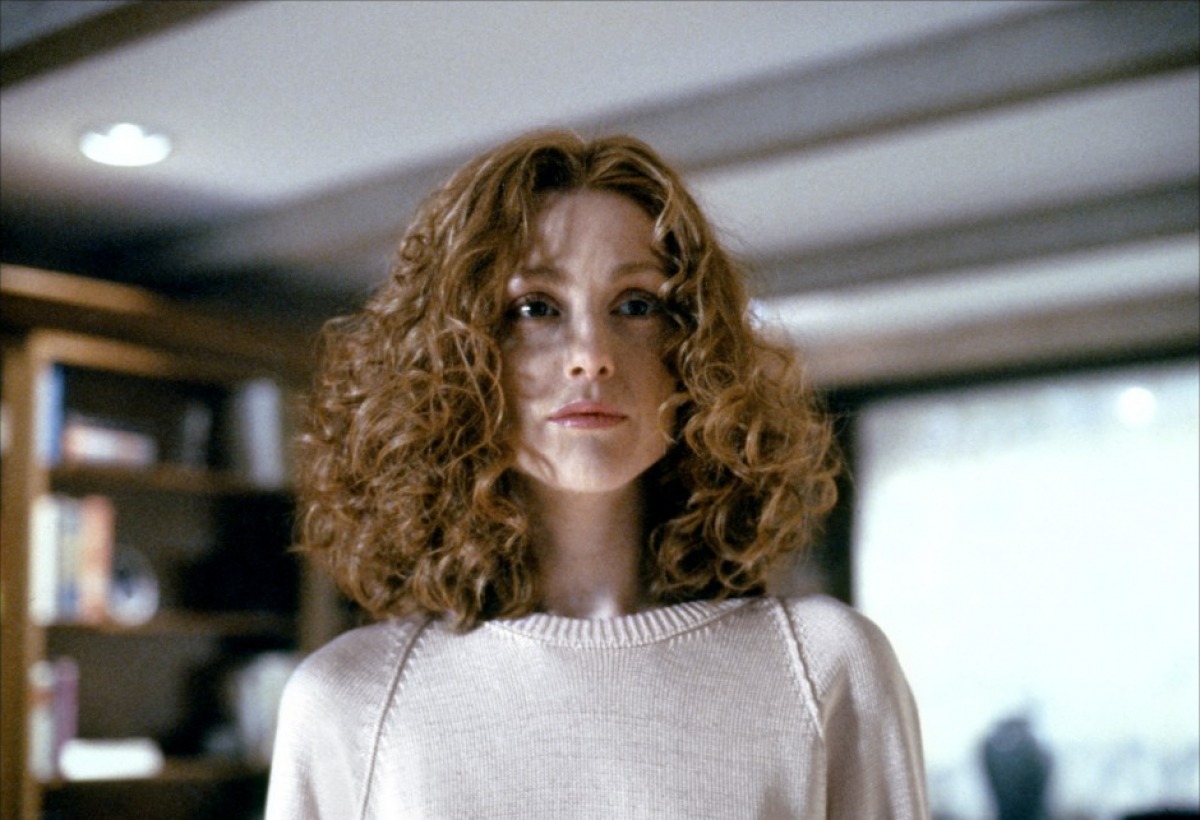
Akerman’s Influence of Haynes’ “Safe”
“When it came to ‘Safe’ it was a seminal film that I couldn’t not think about and I was also interested in setting up different kinds of obstacles to the way we normally we identify with central characters in movies and what the viewer does in recourse of that, the circuitous way that you compensate and how you fill in yourself. How hungry we are to participate in narrative and emotional experience and so it’s interesting to pare down what we normally just throw out at spectators in films. And so with ‘Carol’ it was an evacuation of a subject that was really the starting point for this person and her relationship — like you feel in ‘Jeanne Dielman,‘ albeit in a very different way — to her environment and her domestic life. [It’s] at times almost an oppressive center position in the frame that somehow she does not feel like she owns and if anything she feels dwarfed and minimized in.”

The Strength of The Novel, Changes From The Book & The Power Of Love & Love Like The Criminal Mind
“I loved how in the book Therese is a little bit more artistic aspirations in her ambitions and Phyllis’s draft had already removed that and it made these character less equipped for the love and these experiences they were about to encounter. And it just depend this idea of: what I love about the novel, it describes love so much from that tunnel that you’re in when you’re first falling in love and you think no one’s ever been there before you and you’re so impressed by that specificity of your desire finding its exact object in this person. And your life is a minefield of signs and things to be decoded; every gesture, every phone call, every pause in their breath means something that’s gonna tell you whether you live or die, basically. And that is so fucking gorgeously conveyed by Patricia Highsmith because it is like the criminal mind, it’s exactly like that… like in all her other novels which is like weaving these intricate webs of possibility, how you will get caught or not, how you’ll avoid being found out. So I thought that was brilliant.”
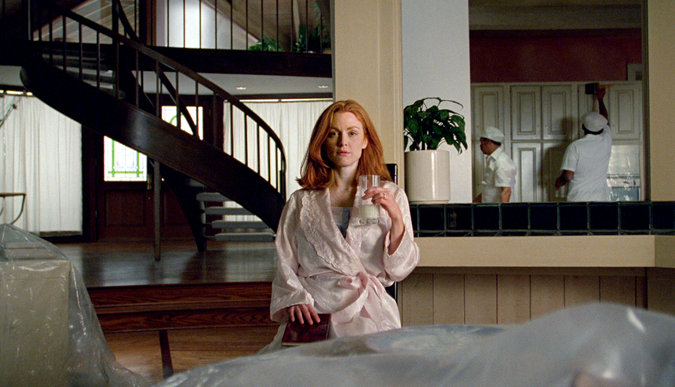
“Safe” And How It Tied To The AIDS Epidemic
“I was also really interested in the disease movie as a genre and the way that it reassigns identity, the illness strips you of the identity you’re supposed to have, it makes you completely have to question every marker of who you are. And then it reassigns you with a new certitude that you are this cancer sufferer or you are this victim of environmental illness. And it was in this time in the [early ‘90s] that we were still in the throes of the AIDS epidemic and whole notions of cause and culpability around HIV were in discussion and I think a desire to make some sense of this virus that was frightening the hell out of the world.”
Haynes said he felt the recurring theme “about the desire to blame yourself when you are outside of situations you can control, so culpability became this means of controlling an uncontrollable situation. It’s like the little kid who asks his parents, ‘mom, dad, why are toy getting a divorce, is it because of me?’ We come to understand things by implicating ourselves at the center of them… and there’s something so heartbreaking and universal about that.”
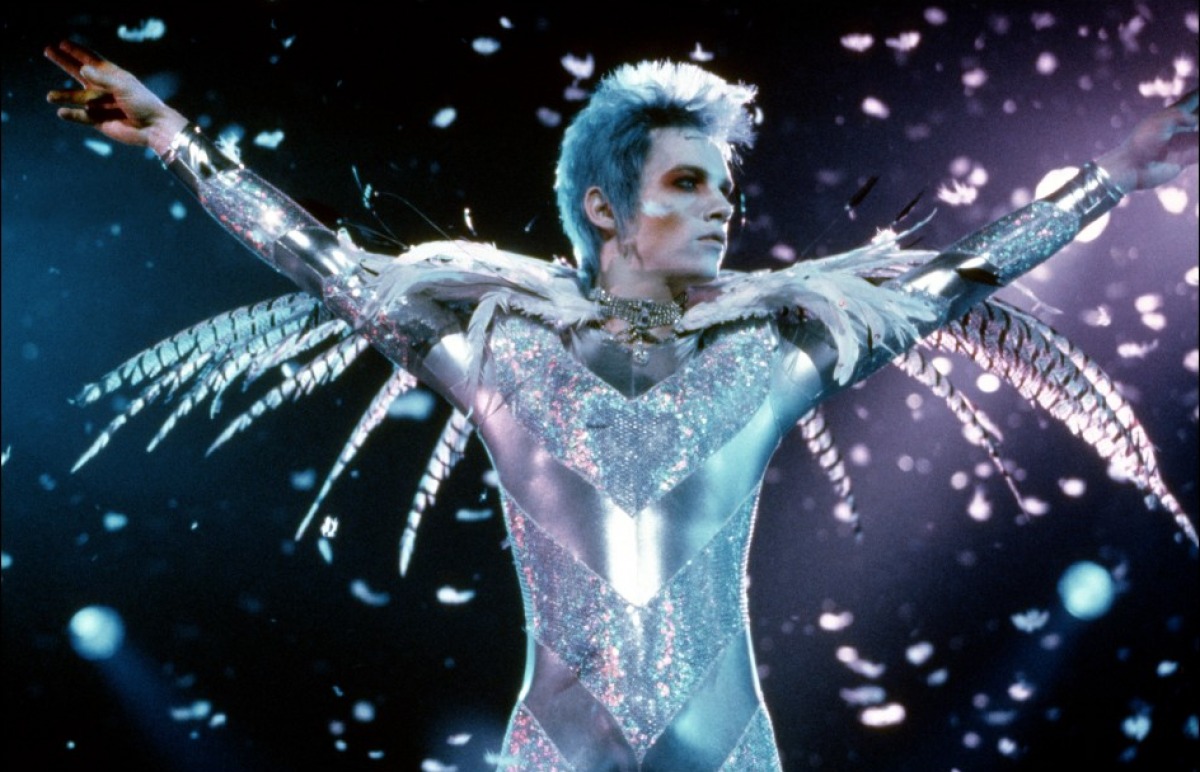
The Terrains of Identity And How They Applies To “Velvet Goldmine”
“Identity is this imposed state that we’re supposed to fulfill… change and mutability, stability, artifice, and construction play no part. We’re supposed to find an authentic and organic self, that is whole. We espouse those terms and elevate those ideas and values. At least of my feature films, the first terrain where I was trying to look at radically different strategies, practices around that was with the glam rock [scene in] ‘Velvet Goldmine’ and how weirdly rebellious and disquieting that moment was, that sort of bisexual androgynous rallying cry in the early 1970s.”

Haynes said artists like David Bowie, The Stooges, Brian Eno, and the Velvet Underground were inspired by this anti-hippie ethos and played with it. “That notion of radical instability in terms of sexual orientation and identity is still uncomfortable today in our very advanced state of progress around issues of gay, lesbian, bisexual and transgender issues because it’s so much easier and so much more legislatively tidy to talk about sexual orientation as something that we’re born into, that’s biologically determined and stable, and then you could just say no there’s no choice involved, a desire to actually change it up, and what was so interesting about the glam moment was that it was addressing the inherent instability of adolescence around young people and how much they don’t know who they are day to day and that fantasy or metaphor of an alien androgynous space creature who was bisexual was so liberating and so radical in so many ways and continues to be today.”
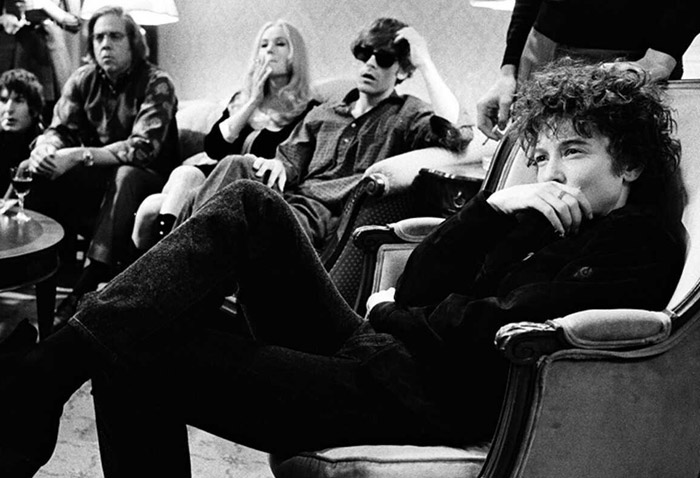
Identity As It Applies To Bob Dylan And Haynes’ Film “I’m Not There”
“Dylan was a very American version of someone who was refusing [labels],” Haynes explained, noting that he first got into the artist as a teenager, but it wasn’t much later in life until he began to see Dylan as a a “shapeshifter.” It wasn’t until later in life that Haynes rediscovered his music and then rediscovered the man. “He always connoted that cocksure-ity, that engine of defiance is true. I didn’t identify the plugging in electric [period] and seeing that on a similar continuum as becoming Christian. But when you look at the whole [of Dylan], it made so much sense. It was a way of throwing back at the societal expectations of a kind of constancy — this person who was not going to do it the same each time.”
Haynes joked about seeing Dylan in concert and how the musician notoriously deconstructs some of his most iconic songs into constructs audiences barely recognize. “Fundamentally he’s a creative entity who has to be making things to survive life. But under the pressure of what he became at that time [of being famous], the demand to keep fulfilling social expectations was too constraining and he had to lash out against that. And there was a hostility, maybe healthy creative hostility in that practice.”
