


 “Casablanca” (1942)
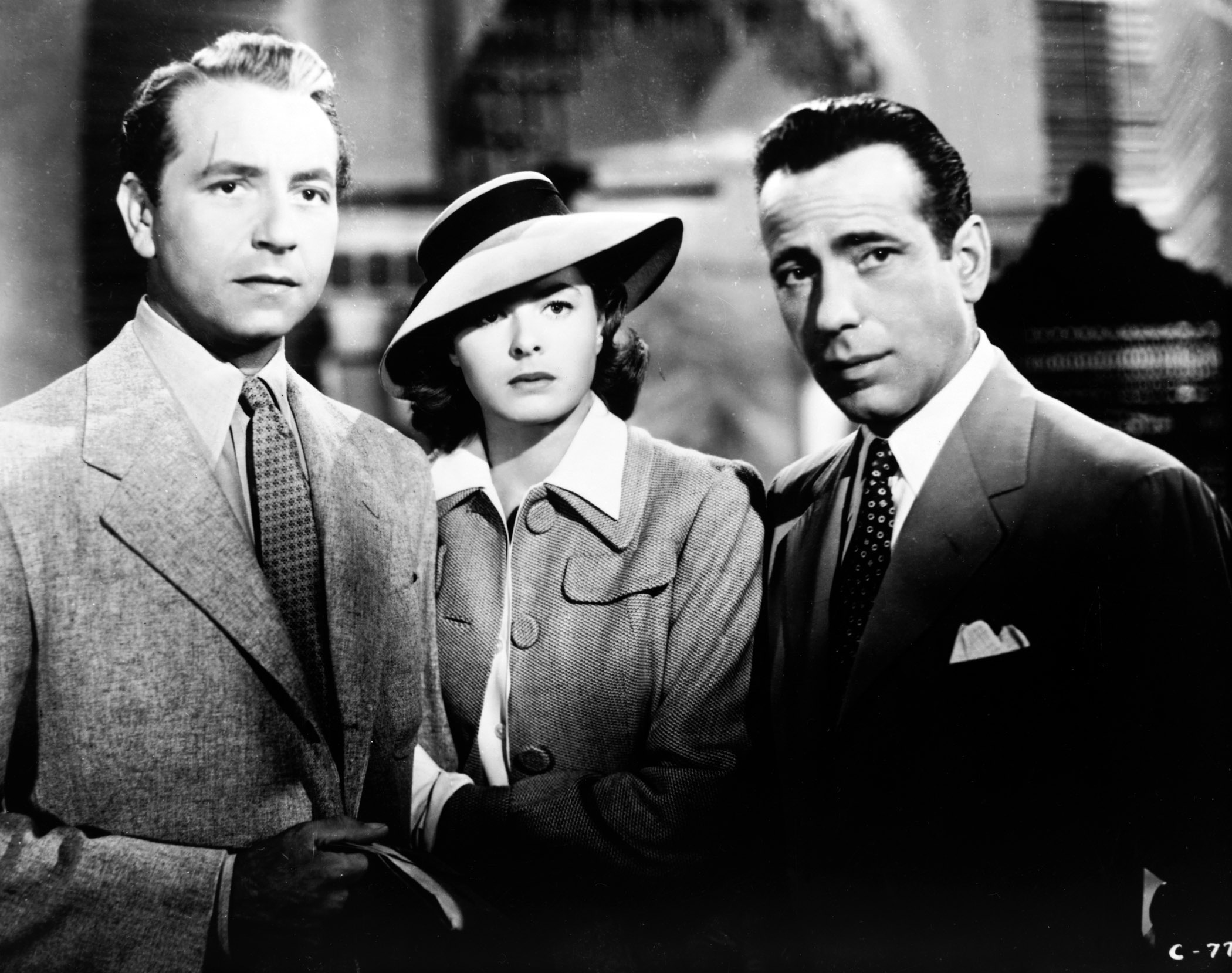
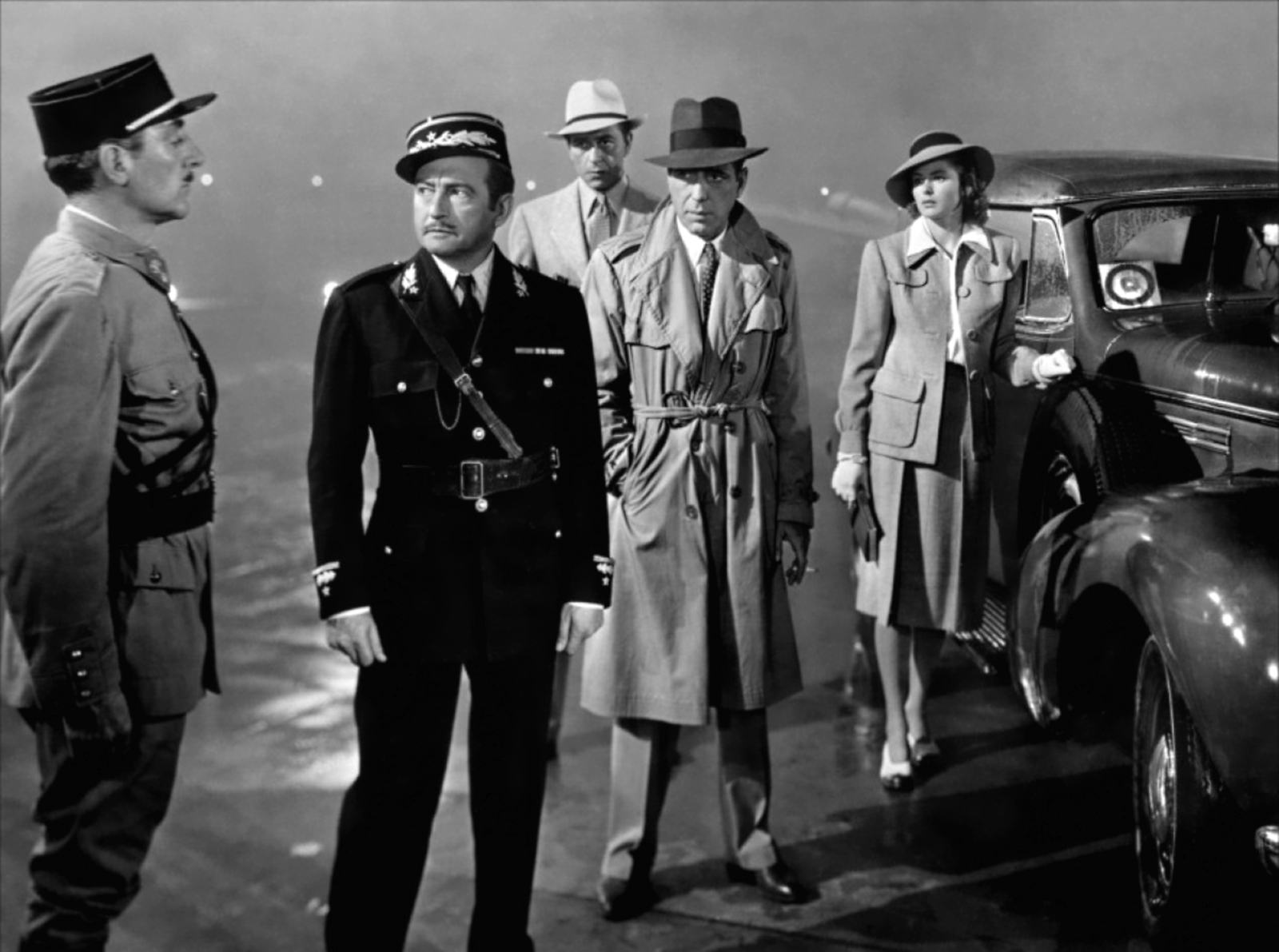
Based on a play that was, by all accounts, pretty terrible, and made under a frantic production that had a well-documented casting back-and-forth, few expected “Casablanca” to be anything but a forgettable programmer, a cash-in on the now-overshadowed 1938 box office hit “Algiers.” That it became a Best Picture winner (and responsible for Curtiz’s only directing Oscar), and one of the greatest American movies ever made, is a case of how, every so often, the stars align just in the right way. Because “Casablanca” is perfect across the board: a rich, gripping story, told through a script that never puts a foot wrong forward (thanks to the Epstein Brothers, Howard Koch and an uncredited Casey Robinson), helmed with uncanny sense of pace and tone by Curtiz and performed by a colorful, charismatic cast that once more showed the director’s capacity for picking the right face for a part (has any supporting cast ever matched the likes of Claude Rains, Conrad Veidt, Sydney Greenstreet and Peter Lorre here?). And the film is a tricky balancing act, because it has everything that you could want in a movie — comedy, thrills, a great love story — but it takes a craftsman in the best sense of the word to make the elements work in harmony, and one can only wonder what would have happened if original choice, William Wyler, had helmed the film instead. Technically, it’s superb too: DoP Arthur Edeson, who was also behind “The Maltese Falcon” and “Frankenstein,” was perhaps the finest cinematographer working at the time, and he lights Ingrid Bergman perhaps better than anyone’s ever lit a star, while giving the North African setting an unforgettable noirish tinge. If you’ve somehow never seen it, drop whatever you’re doing and fix that.
 “Mildred Pierce” (1945)
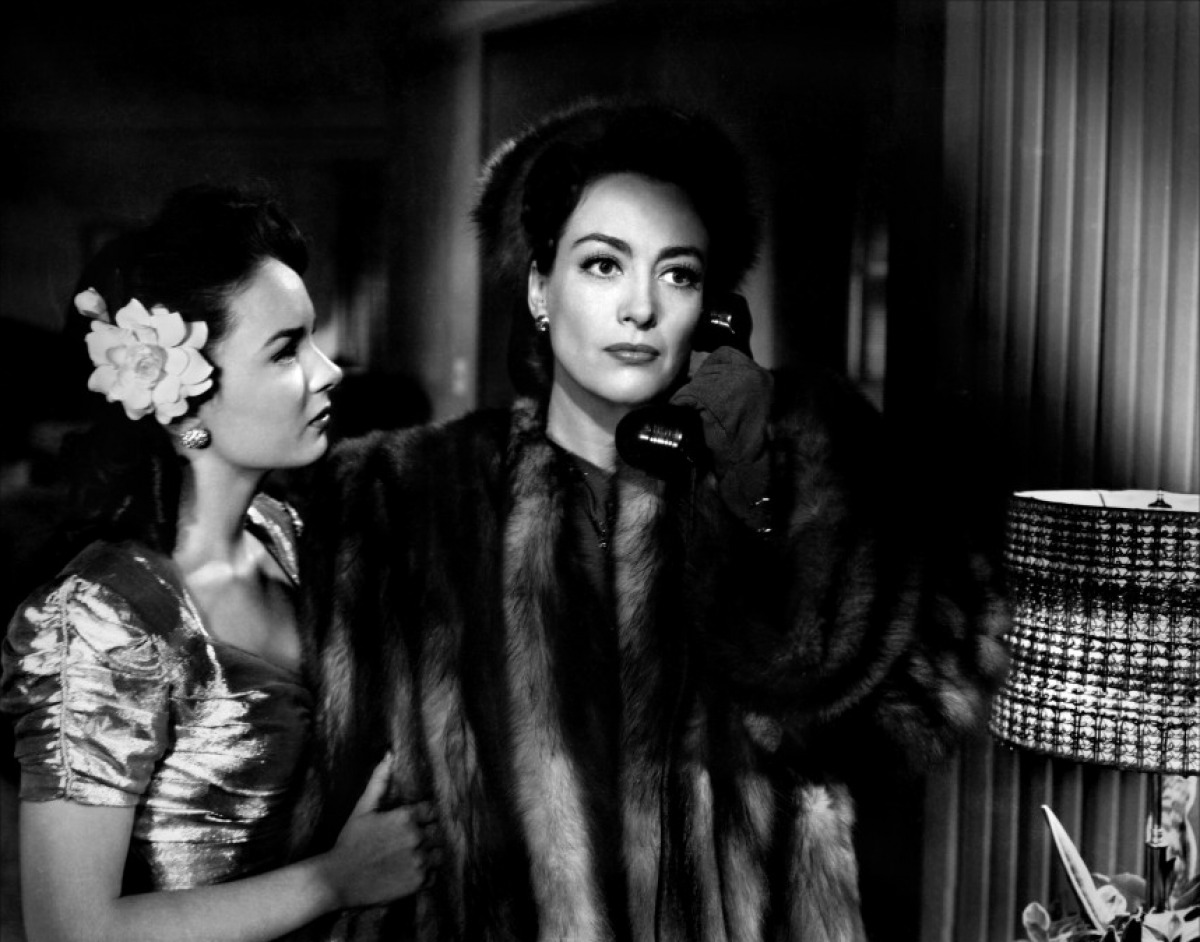
By 1945, Joan Crawford had been a star for twenty years, but wasn’t exactly at the peak of her career: she’d been labeled as box office poison in 1937, and was bought out of her contract by MGM for $100,000. She went across town to Warner Bros in 1943, wanting to star in a movie version of “Ethan Frome,” but when that film didn’t happen, she stepped in for nemesis Bette Davis on an adaptation of James M. Cain‘s “Mildred Pierce,” despite the initial objections of Curtiz, who had to be convinced by a screen test. But the gamble paid off in a big way in the film that sees Crawford play a self-made woman, the owner of a chain of restaurants, tormented by her horrible little shit of a social-climbing daughter. It proved to be a major hit, and Crawford won a Best Actress Academy Award, putting her right back on top again. And even in light of Todd Haynes‘ five-hour HBO miniseries last year, an excellent, religiously faithful take on the same material that dumps the noirish murder subplot, Curtiz’s film holds up today in a big way. The director’s expressionistic experiments in light and shadow reach their apex here, with a flashback structure that feels like a knowing nod at “Citizen Kane,” and as ever, the cast is immaculate, and the pacing moves along at a neat clip. But ultimately, it’s Crawford’s show, and she’s phenomenal in the film. Her hunger to get back on top is almost palpable, but there’s little ego to the performance, with a maternal love that had rarely been seen from the actress before, and a true heartbreak when she sees how little gratitude her little monster Veda (Ann Blyth) has for her. As superb as Kate Winslet was in Haynes’ version, it’s always going to be Crawford that’s associated with the role.
Honorable Mentions: Most of his pictures with Flynn, including the aforementioned “Captain Blood,” “Charge of the Light Brigade,” “Dodge City,” “The Private Lives of Elizabeth and Essex” and “Sante Fe Trail,” are worth checking out, while his Oscar nominated work on musical “Four Daughters” is pleasant entertainment (as are “White Christmas” and “Yankee Doodle Dandy,” the latter of which has dated a little, but features a brilliant performance from James Cagney). He also virtually invented the sitcom, in big-screen form, with William Powell in “Life With Father” and helmed one of Elvis Presley‘s best films, “King Creole.”