


Federico Fellini – “The Voice of the Moon” (1990)
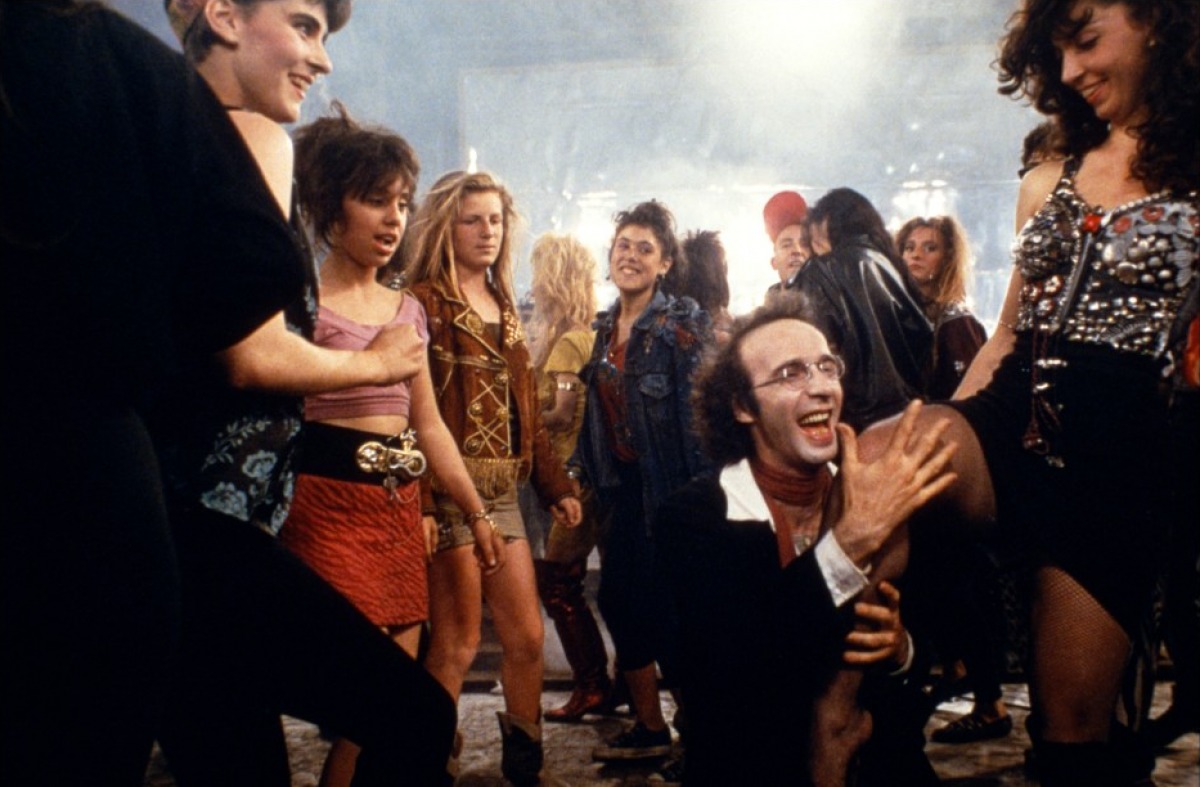
In general, we’d suggest that if a great filmmaker’s final film acts like a whistle-stop tour of his/her back catalogue and just what made him/her great to begin with, that could only be a good and fitting final act, right? And yet here comes “The Voice of the Moon” to put paid to any such pat assertions. It’s picaresque, lively, spiked with astonishing imagery and a philosophical, lyrical tone of voice—it’s possible to see almost everything that’s every been described as “Fellini-esque” in this one film. But it’s also totally incomprehensible. Starring Roberto Benigni at his most aggressively whimsical as quasi-madman Ivo, the movie is based on an Italian novel and essentially features a whole Italian town getting nuttier and more unhinged in the throes of a kind of moon-obsession (the word ”lunacy” having its roots in the Latin/Italian word for moon, of course). Fellini’s trademark visual inventiveness had not abandoned him in this late stage in his career (he died just three years later, on the same day as River Phoenix, coincidence collectors). And in fact if anything it’s in full flight with the film’s dalliance with memory, dreams, visions, musings and insane ramblings giving him the remit to go from one bawdy batshit scene to another with no feel for progress or, you know, story. Now Fellini often established a kind of episodic, sometimes even circular rhythm to his films, but here it feels rather than string his scenes together like beads on a necklace, Fellini is chaotically grabbing into a lucky dip bag and throwing at us whatever pops out next. It’s exhausting. Absent the usual through-line of love for his characters (the leads are just too oddball, and the supporting characters too thinly drawn for that) watching “Voice of the Moon” is a curiously deadening affair: we can almost feel the maestro’s entire career flashing before our eyes but it’s all jumbled, confused, incoherent, as though randomly firing synapses were simply throwing up word after word, image after spectacular image with no real care to communicate their meaning. [C-]

Krzysztof Kieslowski – ‘Three Colors: Red” (1994)
As one line in the film puts it, the “fraternity of strangers” might be the single unifying theme and obsession in Polish director Krzysztof Kieslowski‘s work: how one person on the planet could be thinking something at the exact time as someone else in another part of the world and never know, but maybe could feel a curious sensation at the time. How deja vu or a ringing in the ears could mean something deeper. How those unknown to us are perhaps not strangers at all. A cynical person at heart, but with a deep curiosity of the human condition, some have suggested the theme of fraternity in “Red” were a self-critique of Kieslowski’s own selfishness. Whatever the case may be, the ravishing and sumptuous final conclusion of The Three Colors trilogy is haunting, poignant and unforgettable. Starring his muse Irene Jacob yet again, it centers on two polar opposite strangers who by chance—via an injured dog—become more and more connected, bonding far beyond they would ever imagine. Part time model Valentine (Jacobs) accidentally runs over a German shepherd and then eventually tracks down the owner, a reclusive and retired judge (Jean-Louis Trintignant) soured by old age and the way his life has turned out. He’s a nasty man, who Valentine discovers is abusing his powers and secretly recording his neighbors’ phone calls for entertainment value (and to continue his former vocation in some kind of perverse manner). Though she is morally disgusted with him, the two find themselves inexorably drawn to one another suggesting a missed connection in some part of time they did not exist in concurrently. Typically mysterious, “Red” is even tentatively optimistic and is a striking, poetic meditation on alienation, connection, kinship and togetherness beyond our basic understanding. Widely expected to take the Palme D’Or at Cannes that year but beaten out by “Pulp Fiction,” the film was also nominated for three Academy Awards, including Best Director. It proved to be the filmmaker’s final statement—he retired shortly thereafter and died less than 10 months later during open heart surgery. [A+]
Billy Wilder – “Buddy Buddy” (1981)
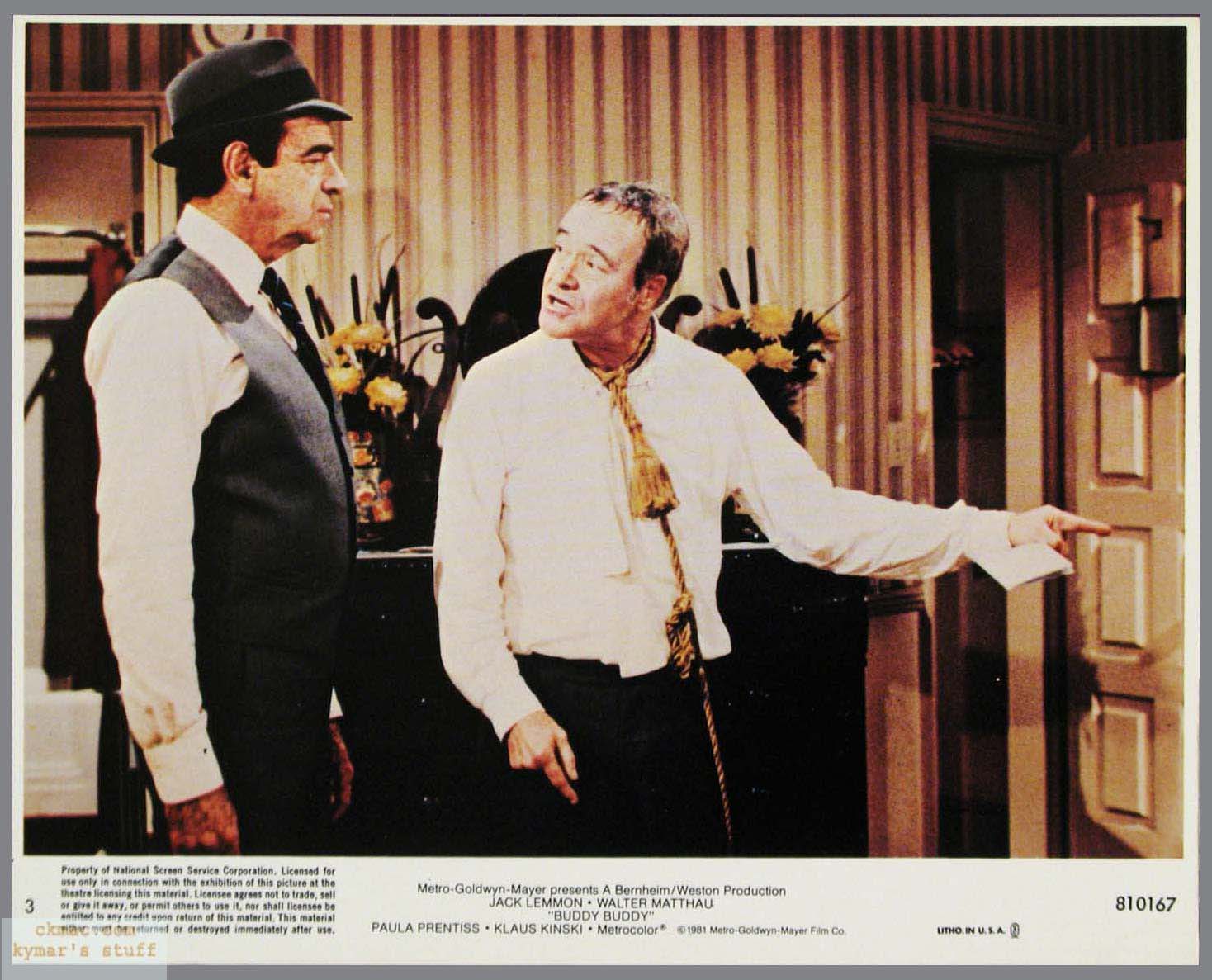
While there were a few misfires along the course of his career, none were ever quite as painful “Buddy Buddy,” the 1981 comedy that would prove to be Wilder’s last film. In theory, it should have been a home run: Wilder had a script, a remake of a French hit, with longtime collaborator I.A.L. Diamond, who worked on many of the director’s best pictures. And the project reunited him with Jack Lemmon and Walter Matthau, with whom he’d had much success. But it’s a shadow of their finer work for all involved, unfortunately. Matthau plays a hit man, whose latest job is impaired by a suicidal TV inventor, whose wife has fallen in love with a sexual therapist (Klaus Kinski, who in typically Kinski-esque fashion would later deny being in the film at all). But the darker tone feels uncomfortable: Wilder would later tell Cameron Crowe that the film “was not the kind of comedy I had an affection for… Here is the problem. The audience laughs, and then they sort of resent it. Because of its negativity. Dead bodies and such. If you hold up a mirror too closely to this kind of behavior, they don’t like it.” Of course, Wilder was behind plenty of very black comedies that worked like gangbusters, but there’s something sour and charmless about “Buddy Buddy” and, more importantly, it’s rarely funny, bar a few good lines (Kinski’s “premature ejaculations means always having to say you’re sorry” being a stand-out). Perhaps the worst legacy of this hugely disappointing picture is that film’s critical and commercial failure clearly hit Wilder hard: he didn’t pass away until over twenty years later in 2002, but he never made another movie (though he flirted with other projects, including “Schindler’s List.”) [D]
 Sam Peckinpah – “The Osterman Weekend” (1983)
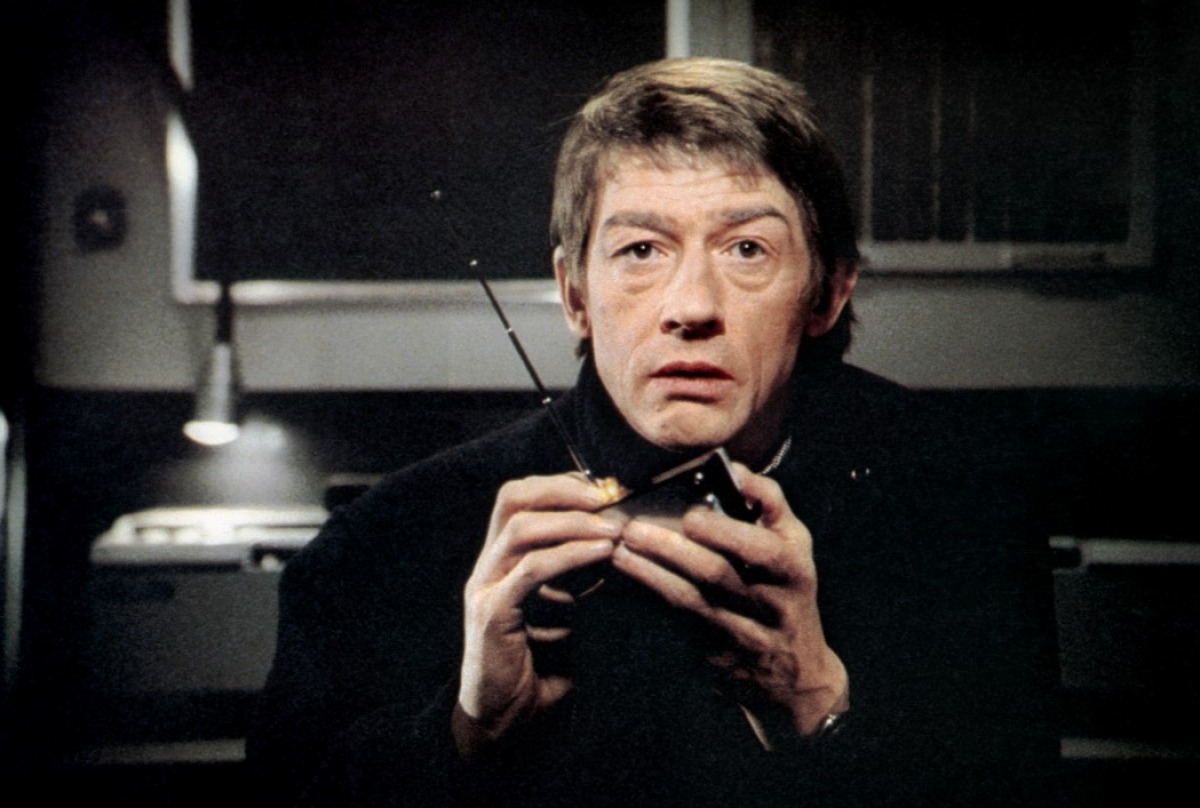
The fallacy of free will, the manipulative influence of the moving image and the notion of surveillance and control as omnipresent forces—these are not ideas usually explored in the often macho, violent world of Sam Peckinpah movies and yet they are examined here. Peckinpah’s final film about a group of lifelong friends caught in a government conspiracy, that also features a twisted revenge narrative is one of his most ambitious. Unfortunately after an intriguing first act, “The Osterman Weekend” buckles under the weight of said aspirations with suspension of disbelief hampered by a hamfisted conclusion lacking any subtly. Featuring the excellent cast of Rutger Hauer, Dennis Hopper, Chris Sarandon, Craig T. Nelson, John Hurt and Burt Lancaster among others (the females in the picture are typically throwaway), the thriller centers on a investigative TV news reporter (Hauer), who generally grills his guests until they are blackened. A rogue CIA agent (Hurt) discovers that three of his college brat pack pals (Nelson, Hopper, Sarandon) are spies in a Communist plot against the government and convinces his CIA director boss (Lancaster) to use the current affairs host as bait during a weekend where the friends are meant to reunite. Without any choice, the newsman reluctantly must welcome these frenemies into his home alongside an alarmed family in the dark. What ensues is a suspicious interpersonal game of mistrustful chess as the players try to figure out how much the TV man really knows and his motives. But after this engaging intrigue—and the dramatic stakes of Hauer forced to put his family in danger—Peckinpah’s picture soon unravels into something less sophisticated than it reads, perhaps just designed to build to its inevitably explosive and violent conclusion. Strained as it is (with all the eggshell tension it’s hard to believe how civil and then uncivil everyone is and yet the ruse continues), the drama really crumbles when its third act motive “twist” is revealed. The clumsy handling of themes, inelegantly spelled out in the end (“everyone’s watching you!”), certainly doesn’t help. Peckinpah’s hard-living evidently marred the remaining years of his career (he died of heart failure a year later), but the picture is far less of a mess than the stories of his mental and physical acuity suggest. [C+/B-]

