

 “Blue Collar” (1978)
“Killing Them Softly,” like many key ’70s crime movies, is a film as much about the problems of capitalism and the toughness of recession as it is about hits and robberies. And one of the more impressive examples in that milieu is “Blue Collar,” the directorial debut of “Taxi Driver” writer Paul Schrader, which stars Harvey Keitel, Richard Pryor and Yaphet Kotto as a trio of Detroit auto workers who, fed up with management and their “representatives,” decide to rob the union headquarters. They don’t find much cash, but do find evidence of corruption and links to organized crime, which leads them to attempt to blackmail the union instead. There was almost as much drama on set as there was on the screen. The three leads hated each other, and Pryor pulled a gun on Schrader at one point, contributing to the director having a nervous breakdown. But it certainly doesn’t harm the film, as it’s a near-classic crime tale that mostly avoids trappings of the genre, searing in its evisceration of corporate and union corruption, noble in its defense of the working man, and feeling drawn deeply from real life. And its honesty carries over to the performances; they might not have gelled in real life, but Kotto, Keitel and Pryor’s friendship is entirely authentic, and the strains in it, when they come, are heartwrenching. Pryor in particular is excellent, cast way against type, but proved that his talents went beyond his comic genius.
 “Straight Time” (1978)
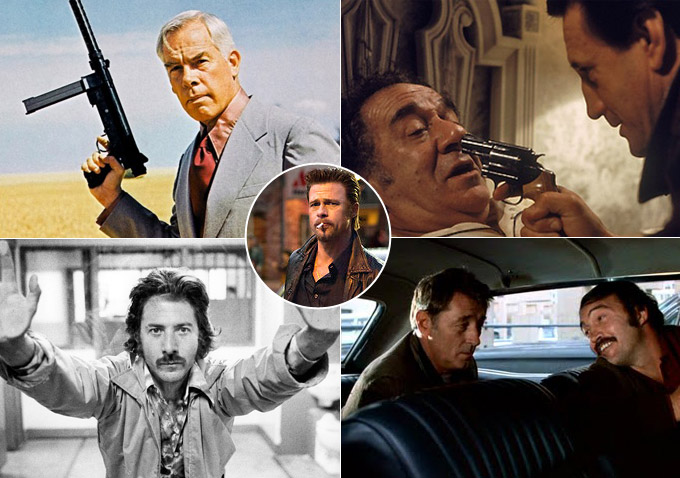
Based on Eddie Bunker‘s novel “No Beast So Fierce” — an ex-con turned crime fiction author and occasional actor (he played Mr. Blue in “Reservoir Dogs”) — in many circles of cinephelia, “Straight Time” is an uncrowned jewel that doesn’t get enough love. Originally meant to be Dustin Hoffman’s directorial debut, after several weeks of shooting, Hoffman realized he was in over his head by starring and directing in the same movie and he asked his friend, Belgian-born filmmaker Ulu Grosbard, to take over the movie (they met when Grosbard was directing an off-Broadway revival of Arthur Miller’s “A View from the Bridge,” where Hoffman served as stage manager and assistant director). While it nearly cost them their friendship (and did for several years), “Straight Time” is a somber, gritty and vastly underestimated thriller. Featuring an excellent supporting cast including Theresa Russell, Gary Busey, Harry Dean Stanton, M. Emmet Walsh, and Kathy Bates, Hoffman stars as Max Dembo, a lifelong thief just paroled after six long years who’s hoping to go straight, play by the rules and get a regular job. But hounded by a manipulative asshole parole officer (Walsh) who’s more than happy to throw him back in the pen at a moment’s notice, Dembo’s desire to stay on the straight and narrow is severely tested with every second of his newfound freedom. While he meets and woos a young girl (Russell) while job hunting and wants to start something anew with her, Dembo eventually snaps when the officer tries to pin a bullshit drug charge on him, realizing he’s simply never going to catch a break. The inevitable happens, and Dembo returns to a life of crime, eventually planning a big jewel heist with some old accomplices. Throughout, Hoffman embodies this gentle ex-con with a short fuse with effortless realism, and if you didn’t know better at the time, you’d have thought the actor was simply playing himself, his natural cool and confidence is so in the pocket. There’s a lot of nice atypical texture for a convict; Dembo is a charmer who is soft-spoken, empathetic, tense and nervy when crimes are going down. Simply put, “Straight Time” is one worth tracking down.
5 Great ’70s Crime Thrillers


NEWSLETTER
News, Reviews, Exclusive Interviews: The Best of The Playlist in your Inbox daily.

