




 4. “Lady Vengeance” (2005)
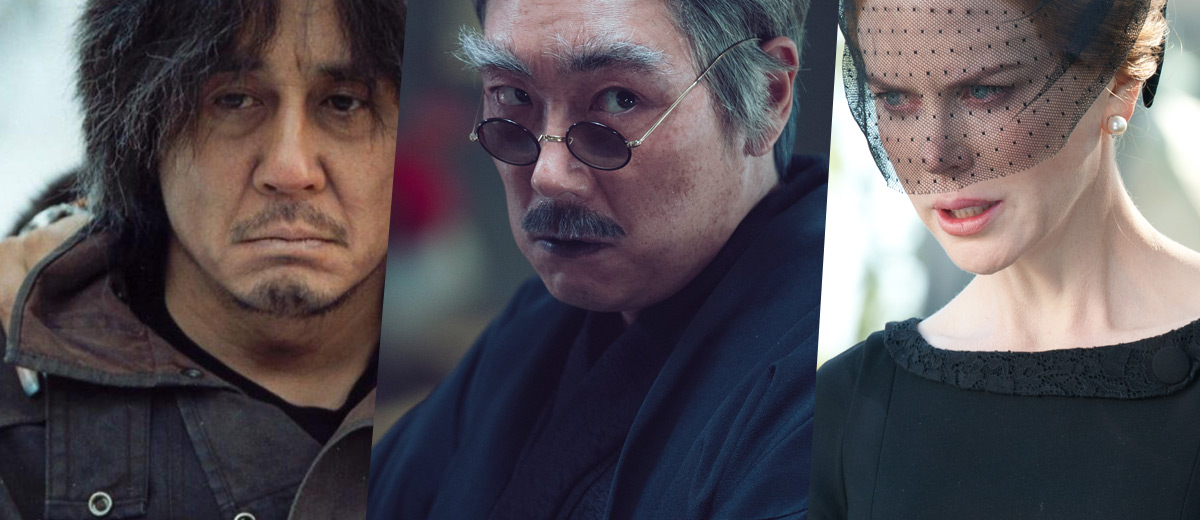
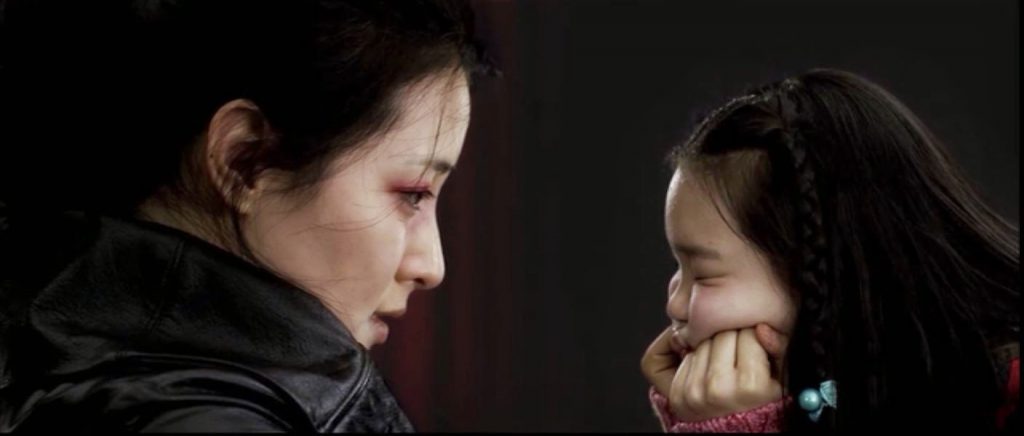
The closing chapter of the positively Jacobean trilogy of revenge that made Park’s name is perhaps the most underrated: less flashy and somehow even darker than its predecessors, it doesn’t deliver the satisfying pulpy punch of an “Oldboy” or a “Sympathy For Mr. Vengeance,” but worms its way into your brain and takes up residence there for weeks. The Lady Vengeance of the title appears, on the surface, to be the director’s most daring and provocative protagonist to that date: Lee Guem-ja (Lee Young-ae), a young woman who spent thirteen years in prison for kidnapping and murdering a young child. As it turns out, she was never guilty: she was instead forced to cover a murderous schoolteacher (Choi Min-sik) who she’d turned to after she became pregnant, and who threatened to kill her child unless she took the rap. But now she’s out, after having turned seemingly into a model inmate, and has spent over a decade planning her revenge. It’s something of a stylistic break with the earlier films, deliberately disjointed in structure, at once more restrained and oddly playful (with “I’m A Cyborg…,” it’s the first of two films in which Park’s major influence seems to be, curiously, Jean-Pierre Jeunet), consolidating themes and even plot elements from the first two into something quite distinct from them. But it all builds to an extended sequence that matches its predecessors for sickening power, with a climax that shows the most complex, and saddest, response to the central theme of the whole Vengeance trilogy.
 3. “The Handmaiden” (2016)
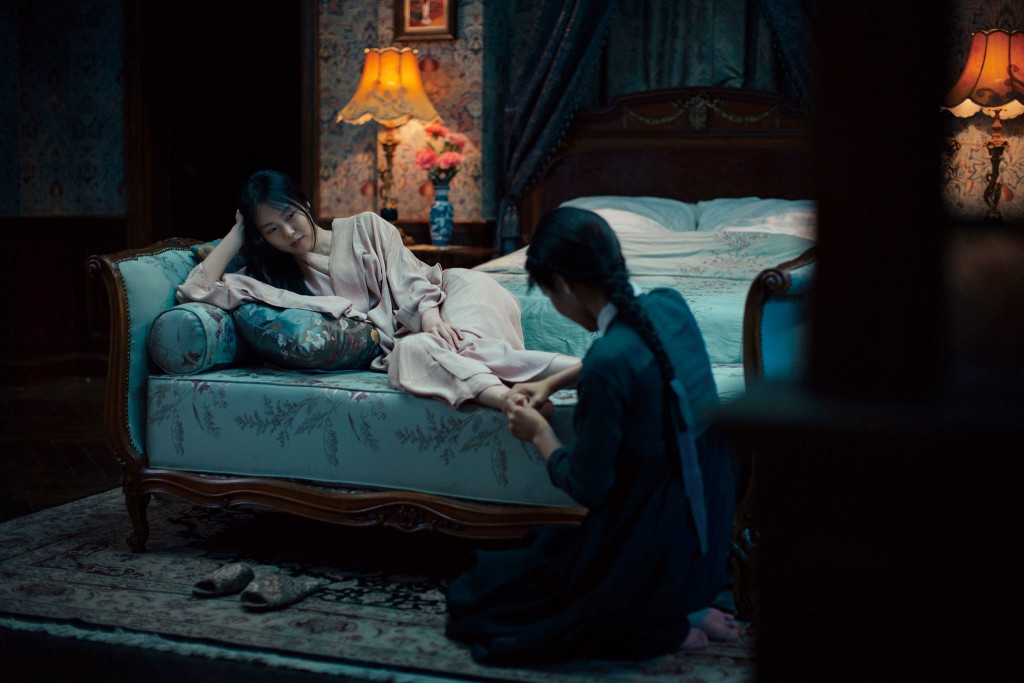
Knotty, ravishing and quite unapologetically ridiculous, Park’s Cannes 2016 feast for the senses only betrays its arch sense of humor in how completely straight-faced it’s played. A careening joyride of a story that, ‘Rashomon‘-like, is told from three different perspectives, it’s based, improbably, on Sarah Waters‘ novel “Fingersmith” — which is a tale of pickpocketing, lesbianism and lust across impassable social divides in Victorian London. The plot survives intact, but the transposition to Japanese-occupied Korea in the 1930s gives off unexpectedly sparky energy: the exquisite costumes and interiors of the period do not usually decorate such enjoyably salacious and depraved plotlines. Young thief Sook-hee (Kim Tae-ri) is maneuvered into a position in the household of the fine Lady Hideko (Kim Min-hee) with a view to Sook-hee conspiring with con man Count Fujiwara (Ha Jung-woo) to trick the rich lady into marriage. But Hideko, semi-imprisoned by her perverted uncle, is not the easy mark she first seems, and may have eyes not for the Count but for her beautiful, treacherous new handmaiden. What it lacks in depth, it makes up for in the intoxicating power of its atmosphere and visuals, and in its slyly subversive feminism — something that Park’s films, outside of ‘Lady Vengeance’ would not be particularly known for. Here we get Park’s idea of a woman’s picture in which he foregoes the splatter and stylized gore for an fetishized vision of revenge and come-uppance that is as satisfying as anything he’s made, but that goes down like a bowl of brandy cream gently laced with arsenic.
 2. “Joint Security Area” (2000)
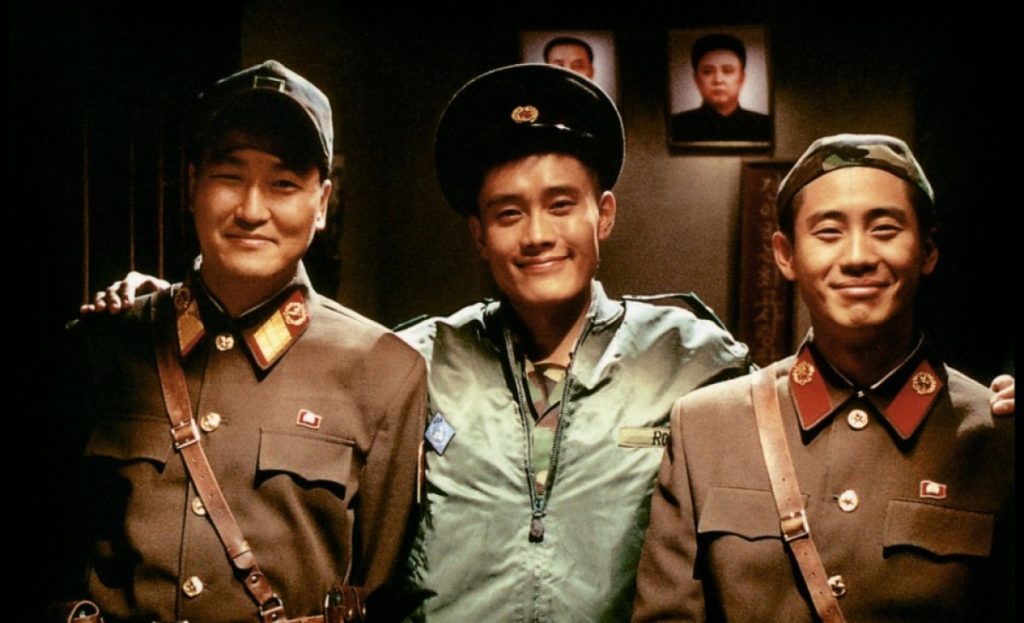
Technically his third film, “Joint Security Area” is ground zero for everything that came after for Park: as the most successful film of all time in Korea to that point, it bought him license to become the filmmaker we celebrate today. The uniquely volatile border between democratic South Korea and its autocratic and secretive sibling to the north (two highly militarized nations permanently on the brink of war yet nonetheless sharing historical, cultural and linguistic DNA) subtly underpins many Korean New Wave titles. But “Joint Security Area” deals with it directly, in the guise of a gripping yet compassionate commercial thriller. Set in the de-militarized zone that separates the north from the south, it details the fallout after a fatal incident leaves two North Korean border guards dead. As tensions heighten, Bong Joon-ho regular Lee Byung-hun plays the South Korean soldier caught up in the knotty investigation, led by Swiss Army Major Sophie E. Jean (the excellent Lee Young-ae who would reteam with Park on ‘Lady Vengeance’). On a surface level, the film is less transgressive than Park’s international hits, but there is a subversion in how it smuggles a touching story of brotherhood across the divide into a military thriller along the lines of “A Few Good Men.” And while it may be less showy than the hyper stylized aesthetic Park’s developed since, it’s no less masterfully made, the rich photography and superb command of tension setting off an atypically moving story: probably the most sincere film Park has made to date.
 1. “Oldboy” (2003)
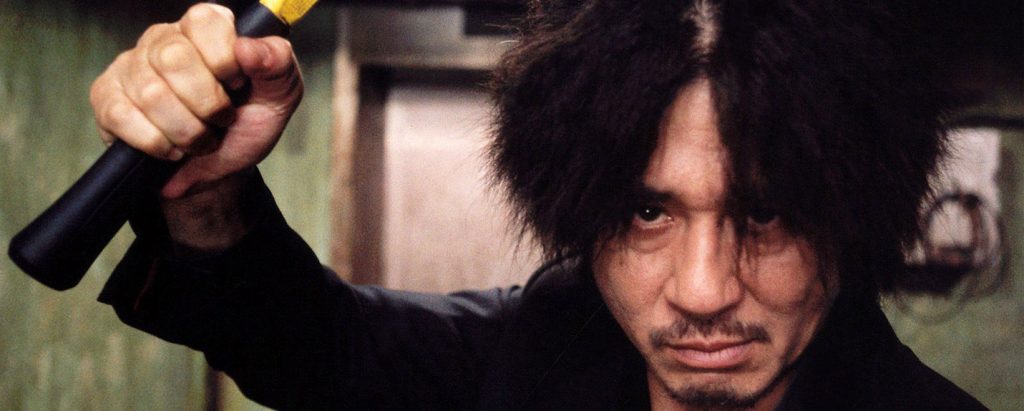
Like the “Star Wars” and “The Godfather” movies, Park’s consistently terrific ‘Vengeance Trilogy’ peaks with its second entry, the scorchingly brilliant modern classic “Oldboy” (for the love of God, don’t accidentally pick up the Spike Lee remake instead). Uniting for the first time with longtime collaborator Chung Chung-hoon as cinematographer, and based, unlike the other two installments, on pre-existing material (the manga “Old Boy” by Garon Tsuchiya and Nobuaki Minegishi) the film is as visually exuberant as it is morally ambiguous, and as uncompromisingly inventive as it is queasily violent, and it netted Park the Grand Prix in Cannes (had Jury President Quentin Tarantino had his way, it would have won the Palme d’Or). But for all of its style and provocation (and there is an enormous amount of both, even beyond the much-copied corridor fight and the now-infamous eating of a live octopus), the film is far more than a series of shock-and-gore scenes: it’s an enthrallingly told yarn about the sins of the past in which every supposedly positive trait — loyalty, love, repentance — only exists as the briefly-glimpsed flipside of a much darker and more perverse opposite. Dae-su (an iconic Choi Min-suk beneath a wild shock of black hair) spends 15 years in a private prison without knowing why and when suddenly released is given five days to get to the bottom of the mystery or the young female chef with whom he’s struck up a relationship will be killed. Also starring Yoo Ji-Tae as the architect of Dae-su’s predicament, as much as it’s about revenge, “Oldboy” is about time: how it passes, how it scars and how, very far from ‘healing’ all wounds, it can cause them to fester and sicken the entire organism. Which is pretty damn heady for a film in which a guy kills a whole bunch of dudes with a hammer.
 Notes
Notes
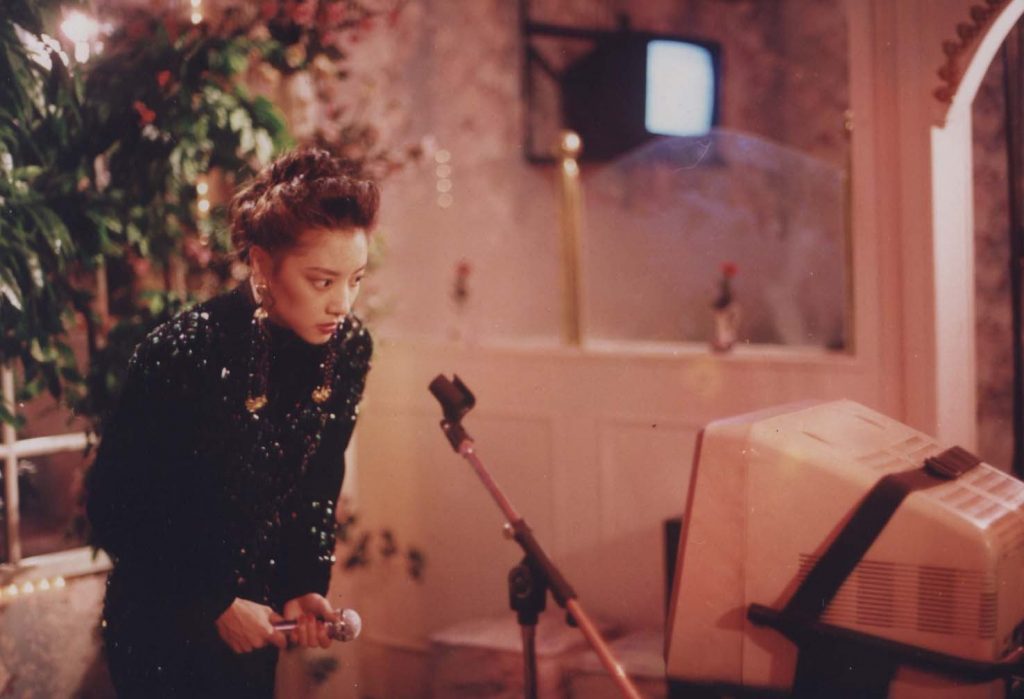
Neither of Park’s first two films, “The Moon Is… The Sun’s Dream” (1992) and “Trio” (1997), both of which he has essentially disowned, are readily available. In fact it appears neither even got a DVD release in Korea, so we have not been able to get a hold of them to cover above. However if you’re jonesing for more Park and can’t wait until the weekend for “The Handmaiden,” he’s made quite a few shorts as well, the highest profile of which, “Cut,” forms one third of “Three Extremes,” an anthology horror also showcasing segments by Japanese provocateur Takashi Miike and Hong Kong Second Wave filmmaker Fruit Chan. More recently, he directed a 20-minute long film as a commercial for Italian fashion house Ermenegildo Zegna, starring Jack Huston and Daniel Wu. It’s pretty vacuous as you might expect, but the suits are great and the locations and photography suitably sumptuous, and you can watch it below.


