


 Special Merit:
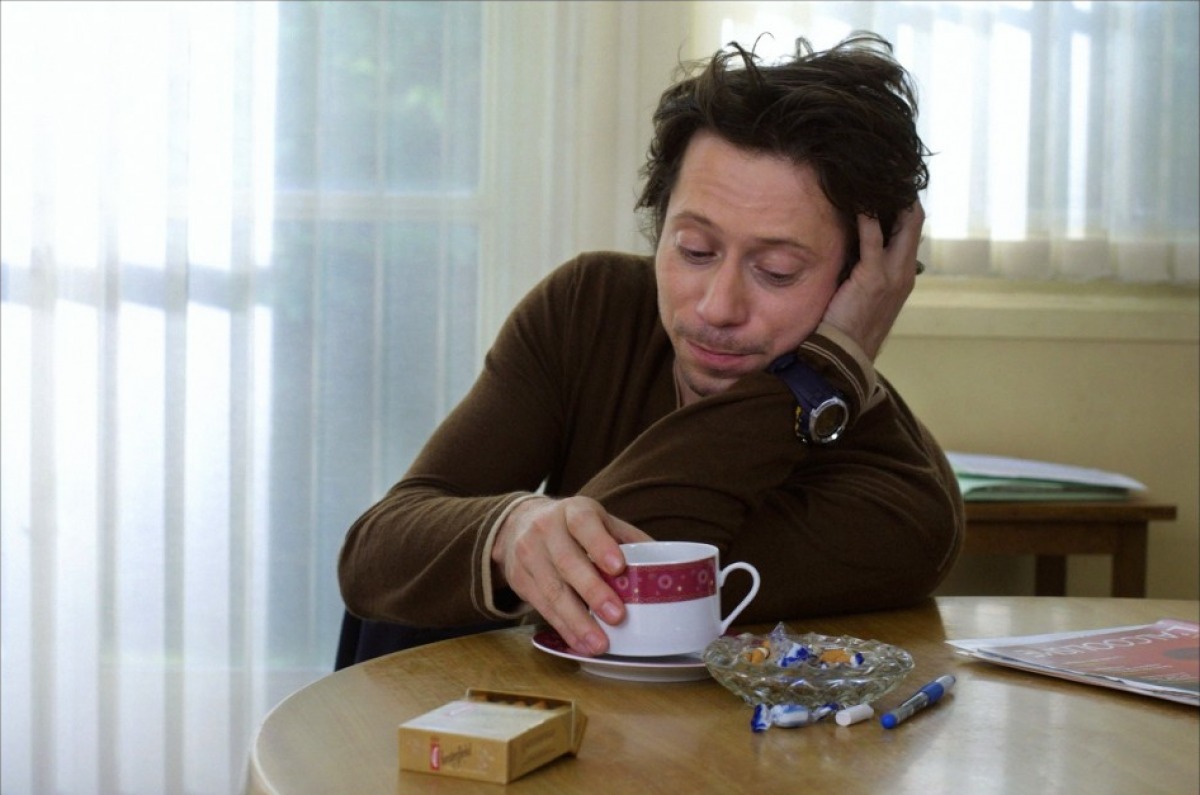
In a banner year for French film, two equally deserving candidates were passed over in favor of “The Beat That My Heart Skipped.” The first honorable mention is Claire Denis‘ “The Intruder,” the venerable artist’s most lucid and expansive film to date. Said to be an adaptation of a 30-odd page short story by Jean-Luc Nancy, the film seems more a spiritual relative to that text, using its minimal plot (a man with a failing heart, searches for a replacement) as a jumping off point for rapturous, stinging imagery that leaves you more with an experience than a story. In contrast, Arnaud Desplechin‘s “Kings & Queen” has no shortage of plot, mapping a complex back-and-forth between the life of a single mother (Emanuelle Devos), her terminally ill father and her institutionalized ex-husband (a hilariousl Mathieu Amalric), who torments his nurse (Catherine Deneuve). One of our writers describes the Desplechin film as a “deft tonal tight-wire walk.”; only a filmmaker of Desplechin’s immense skill and dexterity could pull this off, balancing burlesque comedy and wrenching drama with occasional surreality, and filtered through a barrage of cinematic techniques. Both Denis and Desplechin share a penchant for adventurous, audacious filmmaking, and though neither “The Intruder” nor “Kings & Queen” are perfect, their flourishes of brilliance are more than enough to earn them spots here.
 For Your Consideration:
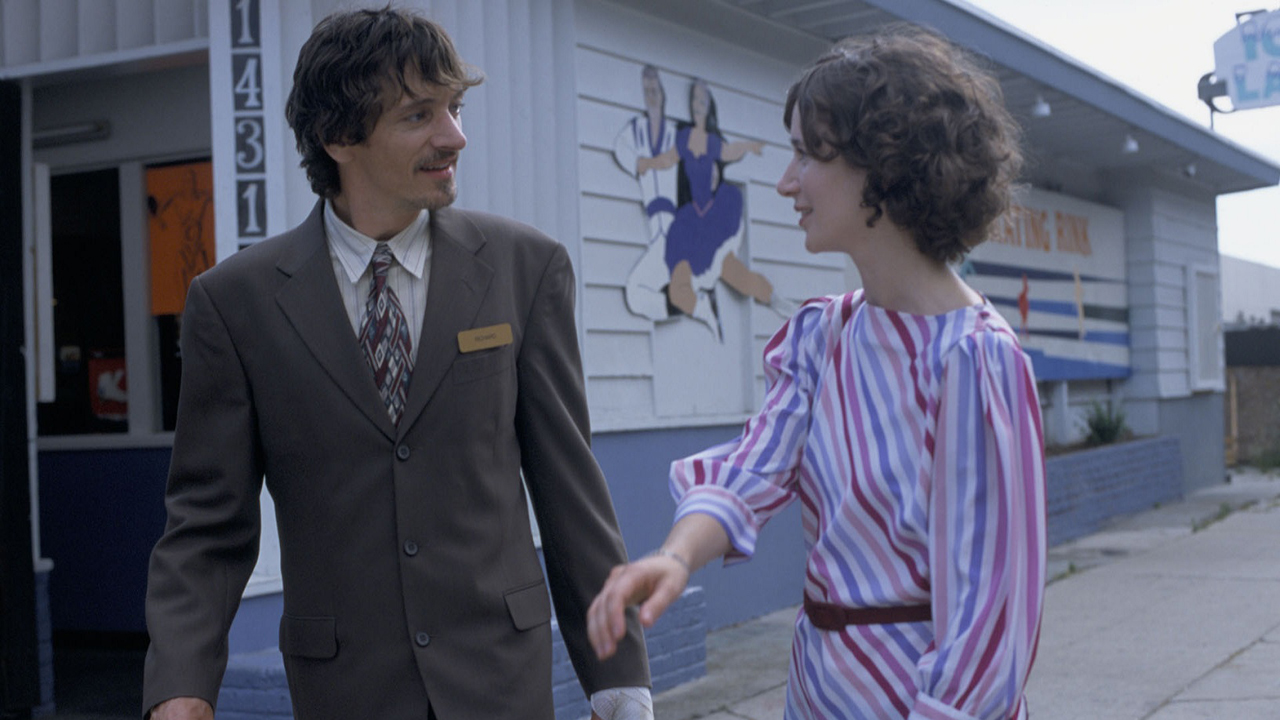
“Me And You And Everyone We Know”
Miranda July‘s feature-film debut is one of the most polarizing films of the decade. Viewed by some as the ur-text of pretentious, whimsical indie cinema, this story about a lonely, single-father shoe salesman (John Hawkes), his precocious children (including a revelatory Brandon Ratcliff), the peculiar and fanciful performance artist (July herself) and the bus stop where their lives interrelate is an observant and contemplative consideration of daydreamers in search of a warm blanket of belonging. Offbeat to the point of irritation for some, the picture is so honest in its depiction of yearning that it produces awkwardness. But the calculatedly uncomfortable moments seeking connection and love (some of which are uproariously funny; others nakedly optimistic) are counterbalanced by a wondrously pillowy and buoyant atmosphere (thanks due large in part to Michael Andrews’ dreamy and illusory synth-lullabies), and keen sense of self-aware humor (July knows her character is part nitwit). Charming and effervescent. Back and forth forever (“))<>((“), indeed.
 Very Honorable Mention:
One of our most hotly contested films that didn’t make this list (as if we didn’t extend it enough) was David Cronenberg‘s “A History of Violence.” It’s Cronenberg’s most powerful work in a long time and its first two acts are fantastically engaging, but something happens in that last third that curdles the whole a little bit and its uneven ending lends an episodic quality to the entire affair (not to mention that it devolves into generic action picture). Nonetheless, it houses amazing performances by Viggo Mortensen, Ed Harris and Maria Bello and deserves recognition. Some were also highly in the tank for “Brokeback Mountain” and “Capote,” but others were vehemently against them both. Strong films that didn’t make the ultimate cut were Hirokazu Koreeda‘s “Nobody Knows” about a Japanese family of children abandoned by their mother and left to fend for themselves, Susanne Bier‘s “Brødre,” Danny Boyle‘s underrated and joyous kids film, “Millions,” Oliver Hirschbiegel‘s tale of the last days of Hitler and the Third Reich in “Downfall,” which features an amazing turn by Bruno Ganz as der Fuhrer, Marco Tullio Giordana‘s six-hour opus, “The Best of Youth“; Jim Jarmusch‘s low-key “Broken Flowers,” Nimrod Antal‘s excellent Hungarian fairy tale subway thriller “Kontroll,” Gus Van Sant‘s meditation on the death of Kurt Cobain in “Last Days,” Robinson Devor‘s languid South Afrikan drama, “Police Beat,” Lodge Kerrigan‘s mystery thriller, “Keane” and Lucrecia Martel’s haunting and disquieting, “La Niña Santa,” the list went on and on and on…
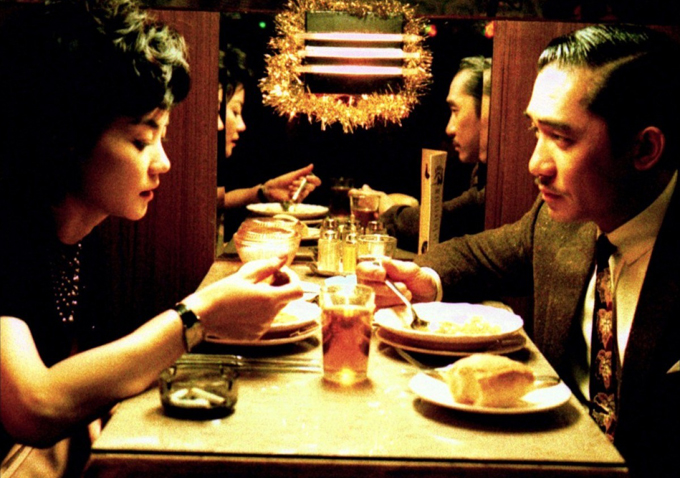 Other pictures worth mentioning, but not quite making the entirely-admirable grade are Wong Kar Wai‘s “2046” (which is surely sumptuous and beautiful, but narratively leaves lots to be desired, even for an auteur like him who rarely utilizes plot), Judd Apatow‘s breakthrough film, “The 40-Year-Old Virgin,” and Pawel Pawlikowski‘s “My Summer Of Love” which introduced most of us to Emily Blunt. And no “Manderlay” here. Lars Von Trier‘s second-film in the scabrous American-set “Land of Opportunities” trilogy buckled under the weight of its dubious ideological conceits and he knows it; he basically gave up on the triptych after this unsuccessful effort. Oh yeah, and “Munich” which is Spielberg’s best (and least embarrassing) effort of the decade, even if that sex scene is laughable. For a guy that makes super engaging pictures that always seem to fall apart badly in the third act, “Munich” was able to respectfully hold it together far longer than any of his other aught-made films.
— Oli Lyttelton, Sam Mac, Rodrigo Perez, Kevin Jagernauth & Gabe Toro