


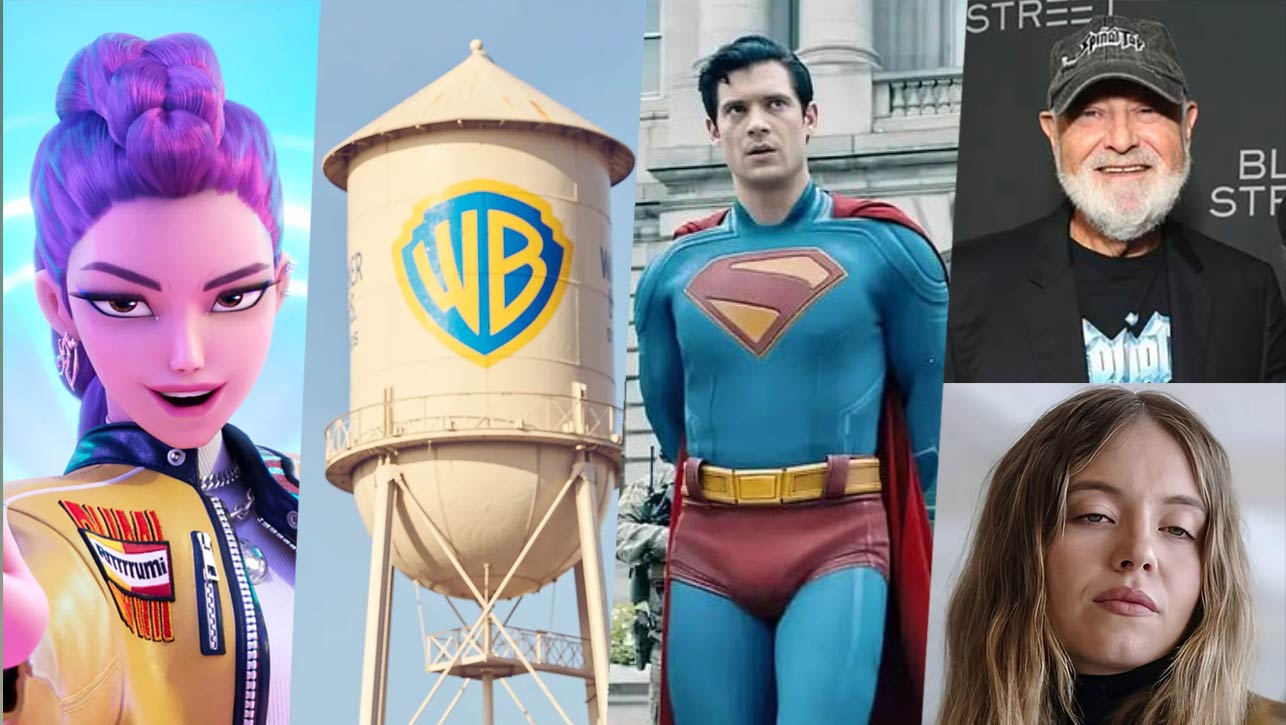
Every great story needs a hero, a villain, a tragedy, and, if not a happy ending, then a glimmer of hope. To suggest 2025 provided a fair balance of those elements would sadly be a mistake. Especially in Hollywood, where the industry seems to be enduring its most tumultuous and transformative decade since the 1970s. Things have gotten very real, very fast.
READ MORE: The 75 Most Anticipated TV Shows & Mini-Series Of 2026
As we review the biggest entertainment stories from the past 12 months, can you spot the heroes? Are the villains that obvious? And, most importantly, is there any optimism for the future? Perhaps that’s what the “What’s Next” segment is for. Because a quieter 2026 may be a necessity at this point.
Keeping all that in mind, and for the record, your biggest Entertainment Stories of 2025.
_____
LA fires, ICE, and more tragedies
To suggest it’s been a rough year for Hollywood is an understatement. Throw that on what has been something of a horrific decade, and it’s incredible the Dream Factory still has, well, dreamers. After COVID, historic strikes, and the fall of Peak TV, Hollywood had to deal with even more economic uncertainty, with numerous layoffs from multiple media companies. 2025 also brought an unexpected natural disaster in the LA fires, which decimated many homes for so many people in the industry. Both in the working-class neighborhood of Altadena and in the talent-filled enclave of Pacific Palisades. Before the city had a chance to breathe, the Trump administration decided LA would be the first city to have to endure ICE raids in June and have federal troops standing guard over, well, nothing in DTLA. December’s tragic murder of Rob Reinder and Michele Singer Reiner felt like a gutpunch to a community trying to find its footing again.
What’s Next: Likely more layoffs from numerous companies, more calls for industry tax breaks, and another mayoral race that will essentially find voters deciding which unpopular candidate they can stomach the most.
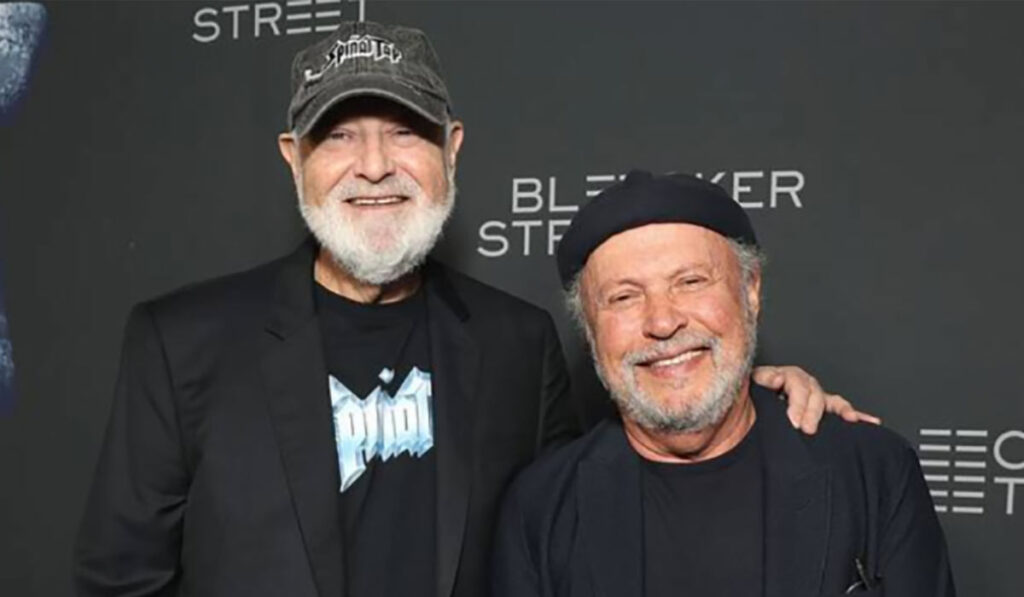
Pam Abdy and Michael De Luca outwit the vultures
If you happened to be in Las Vegas for Cinepecon 2025, you would have seen figurative vultures circling the Warner Bros. presentation, hunting for blood. That morning, Pam Abdy and Michael De Luca took the stage to present the upcoming slate of films for Warner Brothers Theatrical. They had already experienced Bong Joon-ho’s “Mickey 17,” his follow-up to the Best Picture-winning“Parasite,” which received very positive reviews but effectively bombed at the box office. A fate many blamed on its release date and marketing strategy. The studio also had upcoming films such as Ryan Coogler’s “Sinners,” for which tracking was sketchy, and a long-stewing controversy after Coogler signed a deal to secure the movie’s IP 25 years from now. And then there wasPaul Thomas Anderson’s “One Battle After Another,” which had a rumored production budget far over $200 million (it was actually $130-170 million), and a “tentpole” summer release date that many wondered could ever work for a PTA movie. Even one starring Leonardo DiCaprio. Boy, did WB’s co-chairmen prove everyone wrong. First, “A Minecraft Movie” shocked everyone by earning $958 million globally. Then “Sinners” became a word-of-mouth wonder in the United States, grossing over $368 million worldwide. And “One Battle,” while not technically profitable, still somehow took in $200 million and is now your Best Picture frontrunner. In between, the studio and divisions released a ton of hits, including James Gunn and DC Studios’ “Superman,“ which was the highest-grossing superhero film of the year with $616 million worldwide. New Line contributed with “Weapons,” a surprise August smash, taking in $269 million around the world off just a $38 million budget. “The Conjuring: Last Rites” proved the franchise shouldn’t wrap up anytime soon, with $494 million global, while “Final Destination: Bloodlines” shocked many by becoming the highest-grossing installment in the long-running franchise, taking in $315 million worldwide. The studio also acted as a distributor for Apple Studios’ “F1: The Movie,” which made $631 million around the globe. This led to $4 billion in revenue by September, and Abdy and De Luca celebrating two big Oscar players in “One Battle” and “Sinners.”
What’s Next: A potential February hit inEmerald Fennel’s “Wuthering Heights,” “Supergirl,” “Mortal Kombat II,” a long-awaited“Practical Magic” sequel, “Evil Dead Burn,” and Denis Villeneuve’s “Dune: Part Three.” Now, as for Maggie Gyllenhaal’s “The Bride”? We’ll see…Oh, and potential new bosses in Netlix, assuming Abdy and De Luca want to stick around.
AI is at the center of an industry firestorm
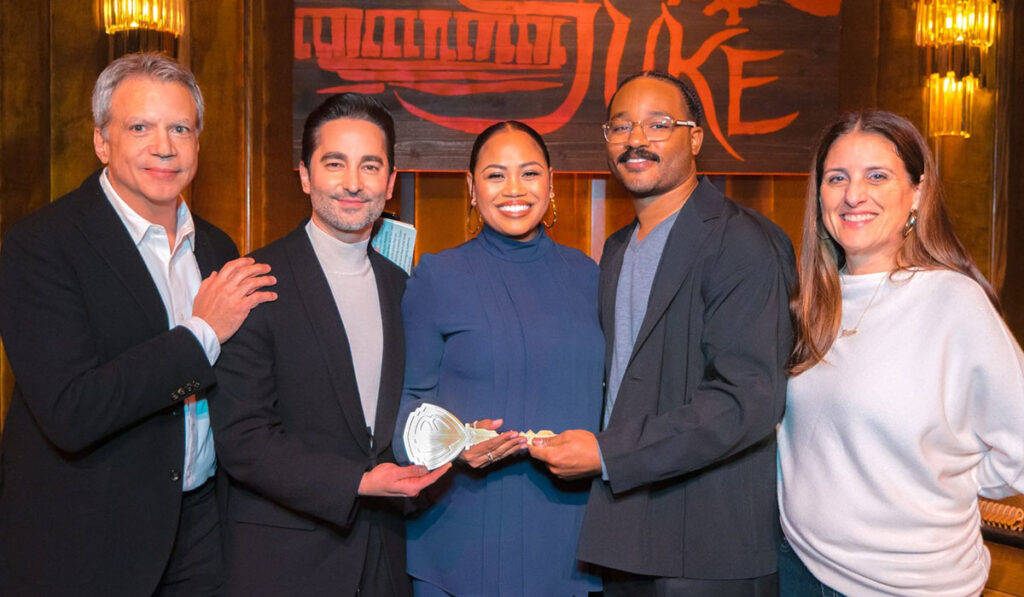
Eline Van der Velden, a tech entrepreneur who launched the AI talent studio, Xicoia, could not have dreamed of a better response than her random interview with a trade outlet during the 2025 Zurich Film Festival. Van Vellen was featured on a panel about AI development, and leaked that her AI-generated actress, Tilly Norwood, was set to sign with a legit Hollywood agency. Norwood, who has only been seen in select videos, became the center of an AI controversy that made the hot topics segment on “The View,” prompted a SAG response and condemnations from all sorts of industry figures. All over the potential threat that Norwood might be “signed” by a talent agency. Four months later, and Norwood still has not been signed by anyone, but her name is now synonymous as the “first” AI actress, even if there is no evidence she could actually be incorporated or perform in any Hollywood production. We’re not saying Van der Velden pulled a fast one on everyone involved, but… suspicious. The event did reiterate, however, how focused the industry is on the creative potential of AI as well as its dangers. The Music industry is already dealing with AI-generated songs climbing select music charts and the slew of copyright issues it has created. Meanwhile, the Walt Disney Company made a groundbreaking deal with OpenAI for its non-living characters from franchises such as “Star Wars” and Pixar films to be used in the tech giant’s popular Sora app. These videos will soon be integrated into Disney+. Oh, they are also threatening to sue OpenAI’s competitor, Google, over unauthorized use of their property in Google’s own AI offerings.
What’s Next: Disney broke the damn so expect a ton of other major media companies to make deals with either OpenAI or its competitors over licensing its non-living characters for AI use. Also, for better or worse, look for AI-enabled visual effects, sound editing, or music to be more commonplace and with less backlash in the months and years ahead.
Old Paramount suspiciously drops Stephen Colbert
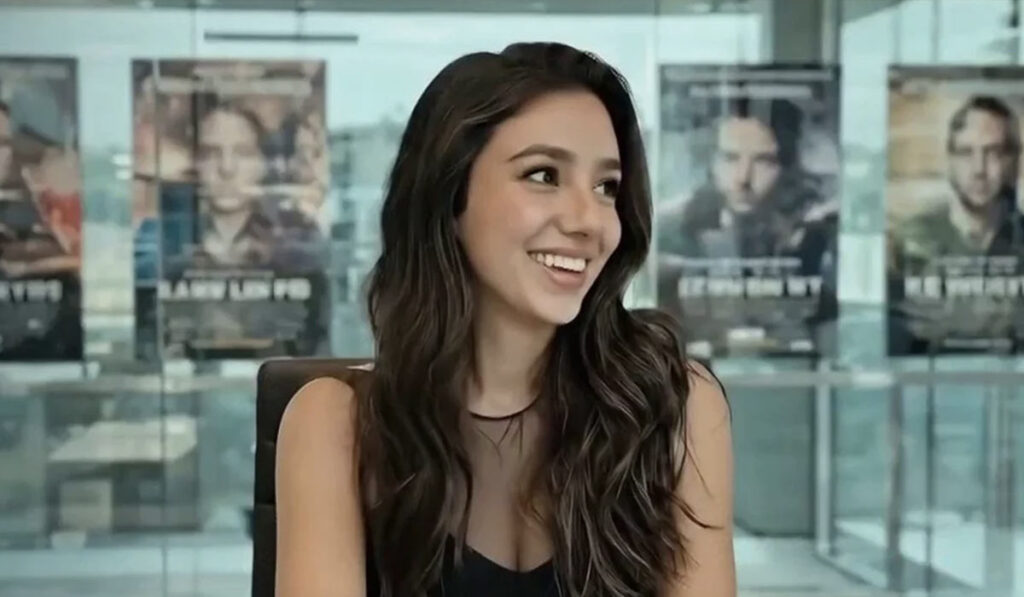
Timing is everything, and for the cancellation of “The Late Show with Stephen Colbert,” the timing has always seemed suspicious. Announced on July 17th, 2025, the cancellation was said to be a purely financial decision by CBS. That being said, CBS and its parent company, Paramount, were waiting for the FCC and Federal regulators to officially confirm the merger of Skydance and Paramount. For many, this decision didn’t look financial. It seemed brazenly political. A silencing of one of President Trump’s primary critics, even though CBS insisted that “The Late Show” was losing over $40 million a year. That figure was met by skepticism by some, especially considering “The Late Show” was no. 1 in the Nielsen ratings and the fact that NBC and ABC have not had any financial issues keeping “The Tonight Show with Jimmy Fallon” or“Jimmy Kimmel Live!” on their respective networks despite lower ratings. Remarkably, the FCC then approved the merger of the two media companies just one week later, on July 24th. Skydance officials insisted they had no part in this decision.
What’s Next: “The Late Show,” which launched on August 30, 1993, with David Letterman at the desk, will end sometime in May. CBS has not announced what will fill the timeslot, but many believe they will return the time period to local stations. It is expected that Colbert will return in some form on another network or streamer, but certainly not a Paramount-owned one.


