



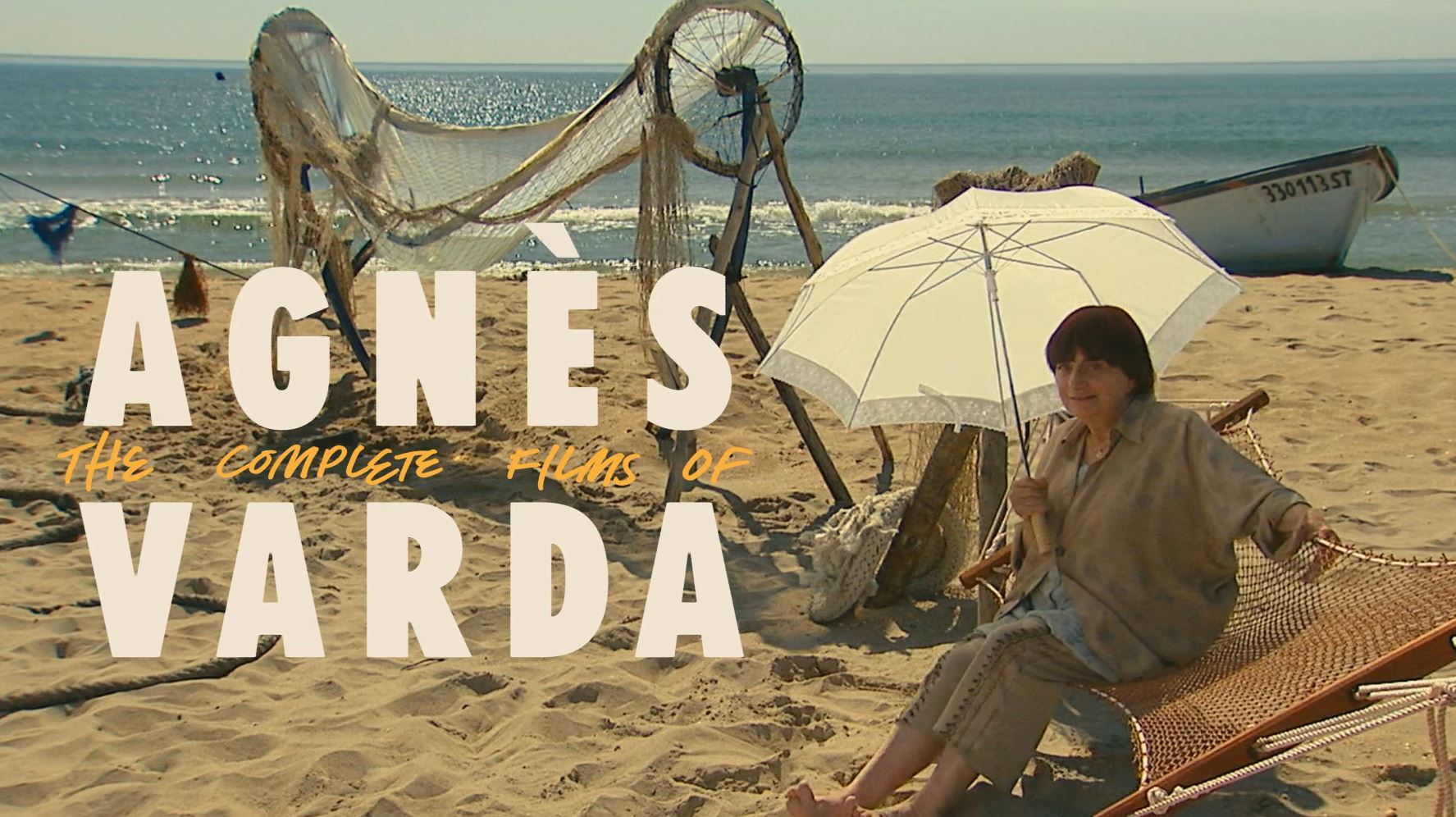
“Du Côté de la Côte”
Who knew glossy government-funded travelogues could offer as many cheeky critical observations about a destination spot as Varda does here? The French Tourism Office forked over cash for her so she could shoot this bit covering all of southern France, from Cannes to Antibes. Assuming the agency didn’t know what they were getting themselves into with their hire isn’t entirely naïve; in 1958, Varda had one feature under her belt, “La Pointe Courte,” and that film had crashed and burned commercially, so it could be that they didn’t know her from Adam. Whatever the case, “Du Côté de la Côté” is easily one of the most unique movies of its kinds, narrated by dueling voices—one male, one female—from scene to scene, speaking a dirge for natural environs stomped on by visitors from all the world over. Beautiful sights spoiled by hideous crowds; this may be the most pessimistic message Varda’s ever transmitted to her viewers.
“Daguerréotypes”
There’s no more modest representation of Varda’s embrace of art, from cinema to stage magic, as a communal activity than the documentary she shot in her neighborhood in 1976. Raising children is time-intensive. So is filmmaking. So Varda met both charges halfway and made “Daguerréotypes” on Rue Daguerre, the street she called home, going no further than her equipment permitted and shining a spotlight on what she called “the theater of the everyday”: The butcher serving flank steaks and chops, the baker rising at dawn with his dough, the perfumer mixing scents, the driving instructor teaching people the finer points of guiding a car. Life’s passing parade becomes extraordinary in Varda’s eyes; she makes the mundane spectacular, a magic show of boring everyday richness.
Bostonian culture journalist Andy Crump covers movies, music, television, politics,, and way too many other subjects for way too many other outlets, perhaps even some of yours: JoySauce, The A.V. Club, Pop Heist, Time, Men's Health, and more. You can follow him on Bluesky and find his collected work at his personal blog. He’s composed of roughly 65 percent beer. Right now, he desperately needs a haircut.
- Andrew Crump
- Andrew Crump
- Andrew Crump
- Andrew Crump
- Andrew Crump
- Andrew Crump
- Andrew Crump
- Andrew Crump
- Andrew Crump
- Andrew Crump
- Andrew Crump
- Andrew Crump
- Andrew Crump

