


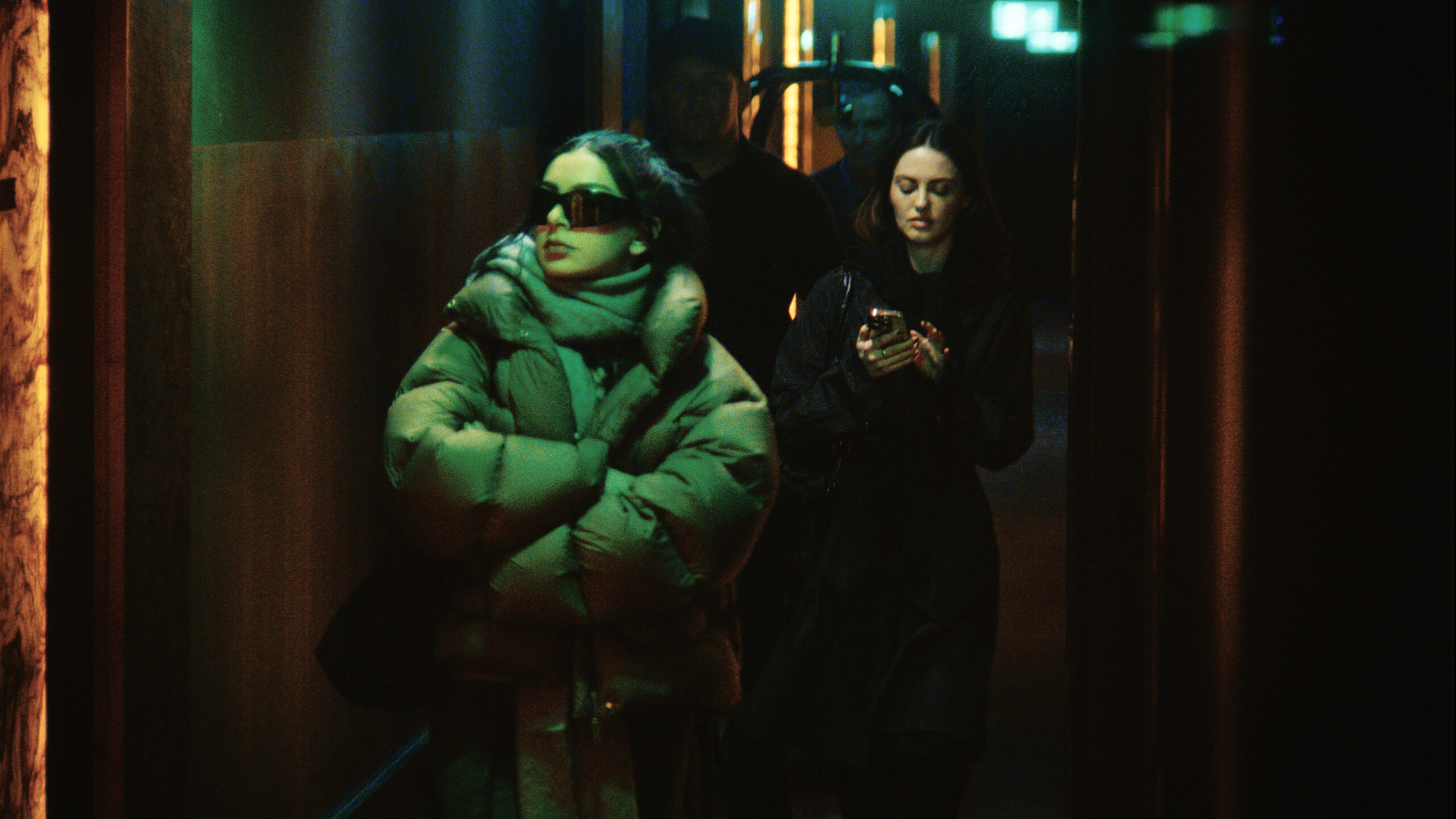
The curtain has risen on the 2026 Sundance Film Festival lineup, and it appears to have something that might appeal to everyone. There are familiar Hollywood stars (Natalie Portman, Jenna Ortega, Channing Tatum), new films from acclaimed alumni (Josephine Decker, Alex Gibney) We caught up with Sundance Institute programmers Heidi Zwicker and Basil Tsiokos to discuss what went into this year’s slate, what to look out for if you’re headed to the last Park City soiree (prepare to laugh), how those all night bidding wars are likely a thing of the past (at any festival frankly) and, yes, whether Charli XCX, with three films at the fest, is the new Queen of Sundance.
This conversation has been edited for length and clarity.
____
The Playlist: Did your team look at this year in terms of the films you were selecting any differently because it was the final year in Park City?
Basil Tsiokos: No, I mean, I wouldn’t say so. We aren’t really ever looking for themes or anything like that. We are pretty responsive organically to what we get in, and we think about how they will all play together as a whole program. Not so much looking for individual films to do something for us in terms of speaking to Utah versus speaking to Boulder or anything like that.
Heidi Zwicker: Yeah, but it’s funny because it’s a popular question, because it is in so many ways, it’s such a special year, such a special festival, but it doesn’t really translate to the film selection part. That’s just about connecting with artists and what they want to say and what feels right that we might be the right platform for, and that sort of doesn’t change.
_____
_____
The Playlist: The United States and the world had a very momentous last 12 months, especially since the last festival. Did you see that reflected in any of the submissions? Or do you feel like we’re a year away before we really start to see those themes pop up in either narrative or documentaries?
Basil Tsiokos: In terms of submissions versus what we’ve actually programmed, I mean, you will get a lot of in-the-moment immediate like, “Oh my God, this thing happened, and I’m going to tell the story” [projects]. Those aren’t always the most successful. Sometimes you need that extra year or a couple of years to find the story, find the way of telling it. And I think that there are films that are programmed that do speak to the moment, but they may have been things that have been in the works for quite a while, and they just happen to resonate in a different way now versus 12 months ago, let’s say. But I do think often that my advice to filmmakers is sort of give things a little bit of a beat. You’re not necessarily doing breaking news here. You’re trying to tell a story with more nuance and more of a sense of direction, and well thought out. And so I think that we are not necessarily going to be the place where you’re going. I mean, sometimes there have been cases where, yes, the stars align, and we are the right place, and there is an amazing film that is super, super topical. Often, something is gained by having a little bit more time.
Heidi Zwicker: But I do think it’s interesting the sort of inflection of some of these films, even if they’re not specifically about the last year of our lives, where it’s almost a question, was this always part of the design of this film? Is this something that came into the film in the last year? Because it’s what people are living, and it sort of sneaks its way in. Or I think honestly we’re people, is this just how we’re perceiving this, because it’s where we’re living right now?
Basil Tsiokos: Yeah, I mean, if you do look at the lineup, there are certainly films that are speaking to the moment in various ways. I mean everything from the #MeToo backlash in “Silenced” or DEI backlash in “Jane Elliot Against The World.” There’s obviously a couple of films about A.I. and what is going on there. And the two films speak in a complementary way that sort of address A.I. in very different perspectives, but provide audiences who are curious with some inroads to kind of understand what’s going on. A film like “Siezed” talks about the attack on the press and on press freedom. And obviously, there are films that deal with larger issues of conflict. “American Doctor,” for example, looking at Palestine, Gaza. There are definitely films that are speaking to the moment, but there are very few films that are like, “Oh, we’ve made this film in the last six months.” Mostly, these are films that have been in development for some time, and it just happens that they are lined up with this year for us to be able to show them.
The Playlist: Are there any specific themes you think are resonating through the slate this year that maybe are different than years past? The thing that I noticed, at least in the dramatic competition, is that it feels like a bunch of those films might have more energy to them. There are two movies about musicals (“The Musical,” “Run Amok”) and a ballroom dance story (“Ha-Chan, Shake Your Booty!“) that’s usually not dramatic competition fare.
Heidi Zwicker: I do think there’s a lot of energy in the program. Across all of the sections, I think there’s a lot of humor in the program, which again, not every year do we have a lot of. It’s funny, and we have a good number of different types of comedies. They’re not very much the same at all, but I’m very excited about that. And again, I don’t want to oversell it, but some actual romance, too. I do think it’s a larger theme of human connection that we’re seeing across the program. And some of these films are really lovely romances, but I think that is just where we are right now. People want to tell stories about finding a way to connect with one another.
The Playlist: O.K., so if there’s a romance, is there a tear-jerker? You’ve got to name names. Sorry. [Laughs]
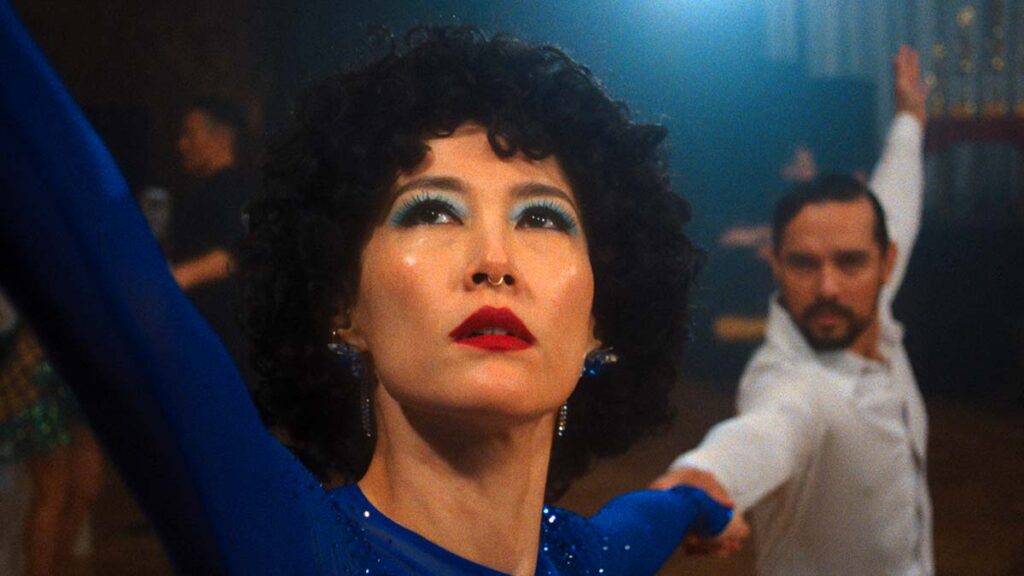
Heidi Zwicker: I would say a movie actually in our U.S. dramatic competition that has energy, has romance and has a little bit of a tear jerker is “Shake Your Booty,” which is such a great title, but it stars Rinko Kikuchi as a woman who loved dancing with her late husband and after he passes her continued involvement in ballroom dance and perhaps a romantic intrigue with another ballroom dancer is what carries her forward. It’s really fantastical and stylish, but also has that emotional core and romance to it.
The Playlist: Speaking of the dramatic competition, I noticed, and there could be more, but there are at least two non-English language films in the dramatic competition. Is that correct? “The Friend’s House is Here” and “Shake Your Booty.” Granted, American filmmakers, but obviously, those in theory could have also fit into world cinema based on the cast and locations. Why the main competition?
Heidi Zwicker: I think a lot of it was that these are fully American-based filmmakers telling stories from their perspective, but I think we are always sort of blurring the lines of genre and category, and these are films that I think people will love to discover. And even though they’re set not in the U.S., they’ll resonate with people everywhere. I think “The Friend’s House” is also a really beautiful [film] and will speak to what else runs through the program, which is this idea of artistic integrity and support for the arts, which is a really cool through line to have throughout the program.
The Playlist: You have some great returning filmmakers or filmmakers who are super established. Josephine Decker. Gregg Araki. Even Olivia Wilde’s latest film. Were these films you guys went after? Did they come to you as much as you can say without getting in trouble?
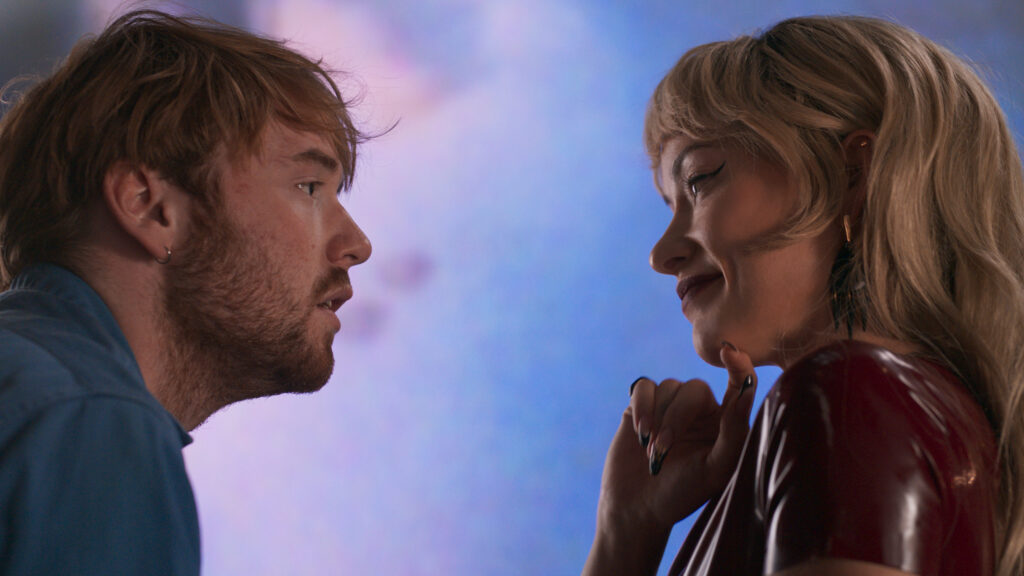
Heidi Zwicker: I mean, everything ultimately comes to us. I think there are conversations that go on throughout the year in hopes of what we will be able to see, and obviously, all of these were ultimately screened and considered by the entire programming team. And that’s sort of always the way it works. But definitely filmmakers that we’re very excited to have at the festival. Don’t quote me on the exact number, but I feel like this is maybe the 11th time. We’ve had Gregg Araki at the festival, and he just makes films that are provocative, that are fun, that are like nothing out there. So it’s like, of course, we have to see the film, but we’re always pretty excited to see what he comes up with next. And this film is a really great ride, and Olivia Wilde and the amazing Cooper Hoffman are so great in it. And so it feels like one that people will really have a good time with. But Olivia Wilde’s film, which she directs written by Rashida Jones and Will McCormick. She also co-stars with Seth Rogen, Edward Norton, and Penelope Cruz. That’s just a banger of a film. It’s like this barbed humor. There’s tension, there’s attraction. It’s just darkly funny. A good time watching people have a bad night.
Basil Tsiokos: Our job is really to know about projects and to really want to see these things and to sort of just do our due diligence and homework around what people are working on. Sometimes the timing literally does not line up, and a film we would love to be able to see or include just isn’t going to be ready for us. So we are always happy when, especially with filmmakers that have had films at the festival before or that we’ve wanted to have at the festival before, are able to take a look at these films, and we like the films, and we feel that we’ll be the best platform. That’s the other thing, too, that people don’t always think about. It’s like, are we going to be the best platform for film for so many factors, given when it wants to be released? Will it connect with the audience that it really wants? That we think we’ll be able to deliver? I mean, I think that there’s a lot of fantastic returnees here. Even on the episodic side, we’ve got a new project by Nicole Holofcener in “Worried,” which is a really funny, really funny pilot. We’ve got stuff like Macon Blair, who won at the festival before with “I Don’t Feel At Home In This World Anymore,” with the film “The Shitheads.” And David Wain. I enjoyed the hell out of “Gail Daughtry and the Celebrity Sex Pass,” I imagine audiences will as well.
The Playlist: Again, this is the last festival in Park City, and several studios are bringing back their classic films, such as Searchlight with “Little Miss Sunshine.” Is there less overall distributor representation with new films this year? I know Searchlight and Hulu have the Andrew Stanton movie, “In The Blink of an Eye,” and A24 has “The Moment.” Are there any other ones I’m missing?
Basil Tsiokos: A24 has also “Undertone,” which is a creepy Midnight title, which we think will play really well for our audience. A lot of docs this year. Focus has “The AI Doc: Or How I Became an Apocaloptimist,” which is interesting. ESPN is a couple of biopics, one about Billie Jean King, “Give Me the Ball!” And the other about Brittney Griner. Netflix has a film, “Queen of Chess” by Rory Kennedy, about Judit Polgár, the best female chess player in the world of all time. What am I missing?
Heidi Zwicker: And “BAIT” right?
Basil Tsiokos: Yeah. Amazon has “BAIT,” Riz Ahmed’s series, which is just great. We’re going to show three of the five episodes of it, maybe four. I can’t remember anything else, Heidi. There’s some PBS stuff, but that’s a little different.


