


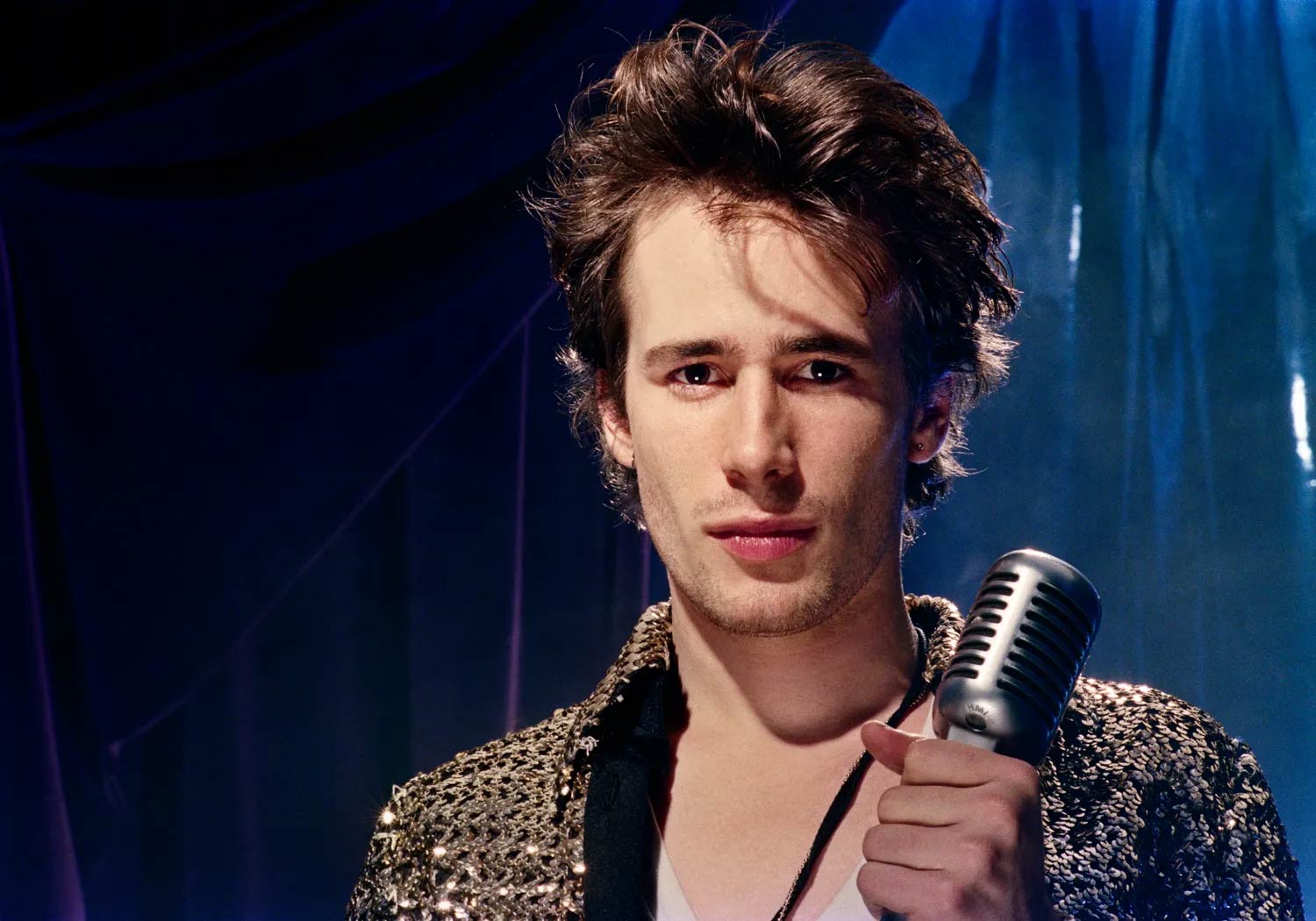
PARK CITY – A film that’s at its best when it’s about the life of its talented subject rather than when it struggles to grapple with his tragic death near the end, “It’s Never Over, Jeff Buckley” doesn’t do much of anything new with the documentary form, though still excavates plenty of interesting details within a familiar package. While never as moving or enthralling as the music that Buckley himself made, it still works when it steps back and lets him take center stage.
READ MORE: 25 Most Anticipated Movies At The 2025 Sundance Film Festival
Directed by Amy Berg, it’s a heartfelt film where repeated talking heads can still detract from the often remarkable footage of the musician performing. The longer it continues, the more you wish it had taken a page out of the great Sam Pollard’s book, which frequently lets footage play out with the interview subjects speaking underneath it. This isn’t because of anything to do with the subjects themselves, who consist primarily of those who knew Buckley personally, as they are all remarkably, often painfully, candid about his life.
They are all willing to talk about the struggles he faced, making for an honest, yet still loving, tribute that does justice to the more complicated parts of the man. No, the persistent issue comes from how the film is structured, feeling more like a standard assembly of documentary parts rather than something on the same level as the true original that Buckley was as both a performer and human being.
What ensures the film is still largely worthwhile, not just for existing fans of the musician but for those who weren’t, is how it gets into the challenges of brilliance. Buckley was an incredible talent, capable of making music that could stir the soul with seemingly effortless ease, but that didn’t mean it was actually always easy. The challenge of toeing the line regarding his record label and the impact this had on his creativity is fascinating to see the film explore.
There is always a tension between art and commerce. However, Buckley was a particularly boundless performer, making it feel particularly painful to see him struggling to thrive within the confines of his industry. It’s something many a documentary hasn’t broadly explored before, but Berg isn’t afraid to get into the weeds of the impact this had on him, ensuring we, too, feel his frustration.
There is also a warmth to the film and a genuine care in how it approaches the personal pain Buckley was going through. In particular, though he didn’t know much about his also musical father as the patriarch was not around, that absence leaves a mark. He carried it with him throughout his entire life and career as he followed in his late father’s footsteps by also becoming a musician.
There are many moments where this was what captured the attention of many at first, as he sounded similar to his dad. At the same time, it’s where the film shows him finding his own way that we start to get a deeper portrait of Buckley as not just a performer living in the shadow cast by his father but as someone making a musical identity all his own.
Where the documentary itself struggles to do this is when it arrives at the inevitable agony of when Buckley tragically dies at the age of 30. It rightly sets the record straight on the fact that it was an accidental drowning with no other contributing factors (i.e., alcohol or drugs). However, the way it does so betrays an odd insecurity that would have benefited from being further unpacked. Namely, it wants to make clear that Buckley was not like his dad (who died of a drug overdose) in his death. It carries with it a disconcerting air of judgment, getting rather dangerously close to making it feel as if it thinks that someone who is struggling with addiction dies; it is less sad or almost not worth mourning.
The loss of both musicians is awful and devastating no matter how you look at it, yet a key voice that gets one of the last words seems most focused on trying to make it so we don’t see the son as being like his father as if one is lesser in some way just because of how he died. It’s a thorny, possibly unintentional, implication that still leaves a sour taste in the mouth, right? I could have used a more thoughtful approach to how it leaves things. That it doesn’t doom the whole film is a testament to how it still captures how Buckley lived. [C+]

Chase Hutchinson is a film and television critic whose work has appeared in The Wrap, The AV Club, IndieWire, the Seattle Times, IGN, and Roger Ebert's Far Flung Correspondents, among others. He is the President of the Seattle Film Critics Society.

