



There have been and likely will always be body-swap movies. No matter how they go about exploring their respective takes on the well-worn premise, there’s always something potentially engaging in interrogating what we think of when we think of our own identities and the way they shape the way we move through the world. They can be playful, yes, but there’s a deeper resonance to even the more overtly comedic ones. Would having a new body be something liberating or constricting? Freeing or frightening? Joyous or tragic?
READ MORE: 27 Most Anticipated Films From The 2026 Cannes Film Festival
In the case of “The Unknown,” the latest work from filmmaker Arthur Harari (co-writer of “Anatomy of a Fall”), which sees a man meeting a woman at a party and unexpectedly swapping bodies with her, the experience is mostly constricting, frightening, and tragic. The filmmaking relies on often-intense close-ups, in which narrowly framed shots trap the characters in tight spaces, just as they are stuck in different bodies. The writing then traps you in a state of increasing anxiety and despair, leaving little sense of the characters’ additional dimensions beyond what has happened to them. The result is a film that’s both shattering in some moments and superficial in others, making it hard to write off and even harder to fully embrace.
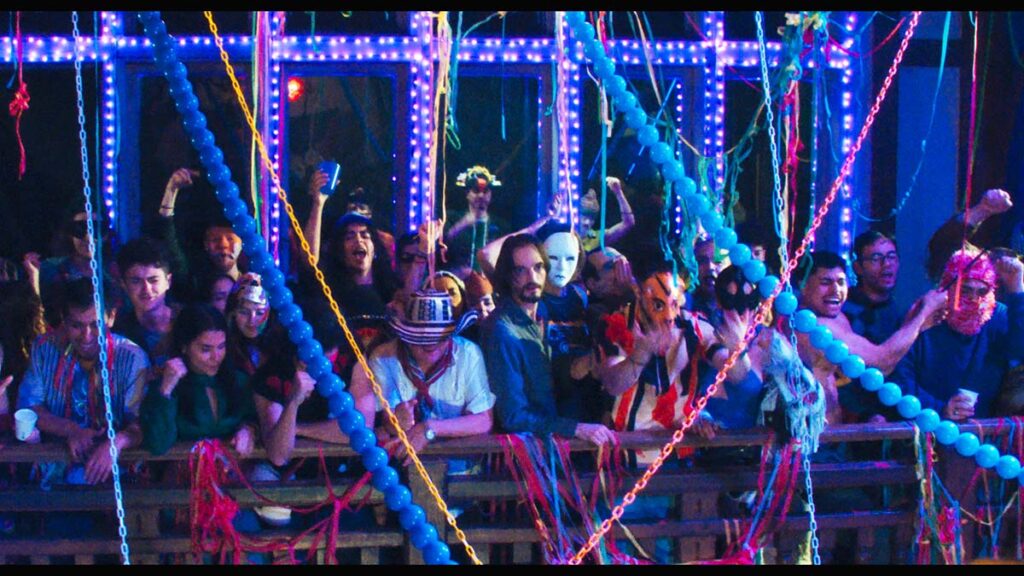
Initially, following a photographer (Niels Schneider) who soon swaps bodies via sex with a strange woman (Léa Seydoux), he briefly took photos of her earlier when seemingly working as a wedding photographer, and it then becomes about the repercussions this will have over the course of both their lives. We only get a small snapshot in time and don’t get to see what this future may hold, but the film has much more expansive ideas it wants to explore. It cares little about explaining the mechanics of what led to the swap as much as it does the emotional impact that it has on the respective characters. They will occasionally go searching for answers to the many questions they have, including in one more clunky scene where a character googles and gets the phrase “metempsychosis,” which essentially means a soul moving between bodies.
While the obvious nature of this definition might be the point, it’s still indicative of a film that alternates between the evocative and the empty. The characters navigate feelings of body and gender dysphoria surrounding their new physical forms, just as they do the societal realities of how men and women are treated differently. However, the story, based on the 2024 graphic novel “The David Zimmerman Case” by the director and his brother, Lucas Harari, offers potential reflections on how this may connect to transness or other questions surrounding gender at a distance.
This isn’t necessarily an issue in the beginning, as the characters may just not be thinking about this when confronted with the swap as much as they are just trying to get their bearings. But for the film itself not even to acknowledge how this could be analogous to other people’s real lives ultimately narrows the overall field of vision. It leaves it with a ceiling it continually bumps up against, but is never ambitious enough to try to move beyond.
Still, the film benefits from a great performance by Seydoux, who goes from a more poised figure pre-swap to a deeply uncertain one post-swap. Just as the film doesn’t always rise to her level, she stills it with a greater sense of life and depth. We believe the complexities she brings to the different souls she embodies, just as the rest of the film seems more uncertain, even halting, about what it’s undertaking. Things get heavier and more haunting the longer it goes on, with it soon revealing how little hope there may be for any of those whose souls have been put into another body.
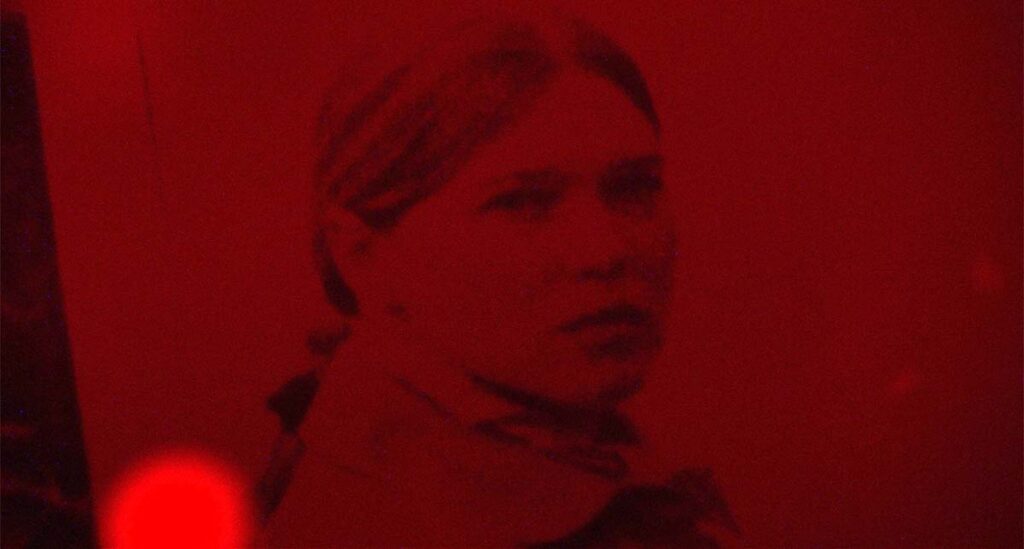
Some will have it better than others, but whatever peace any of the characters may find will require radically reevaluating their relationship to the world. This also leads to a moment of pain surrounding a father, played briefly yet perfectly by the filmmaker Radu Jude, who himself has a great film of his own at the festival. The character, someone we saw be compassionate, now can’t understand the new body, the daughter he still loves is now in, and seems unwilling to try. This could again be read as a family rejecting those who change, even when they supposedly love them more than anything, rather than opening their minds to them, but it passes all too quickly to do much more emotionally or thematically.
The main tragedy is that the film doesn’t seem to understand much more either, building to a devastating final sequence in which a character makes an agonizing decision, making it all the more inescapable. It’s somewhat sudden, but it’s still something that, in retrospect, makes the experience one you want to look more closely at to begin piecing it together. Even as there’s likely always much about it that will remain empty no matter how much piecing together you do, in the end, it still manages to rip right through the soul. [B-]


