


“Dementia 13” (1963)
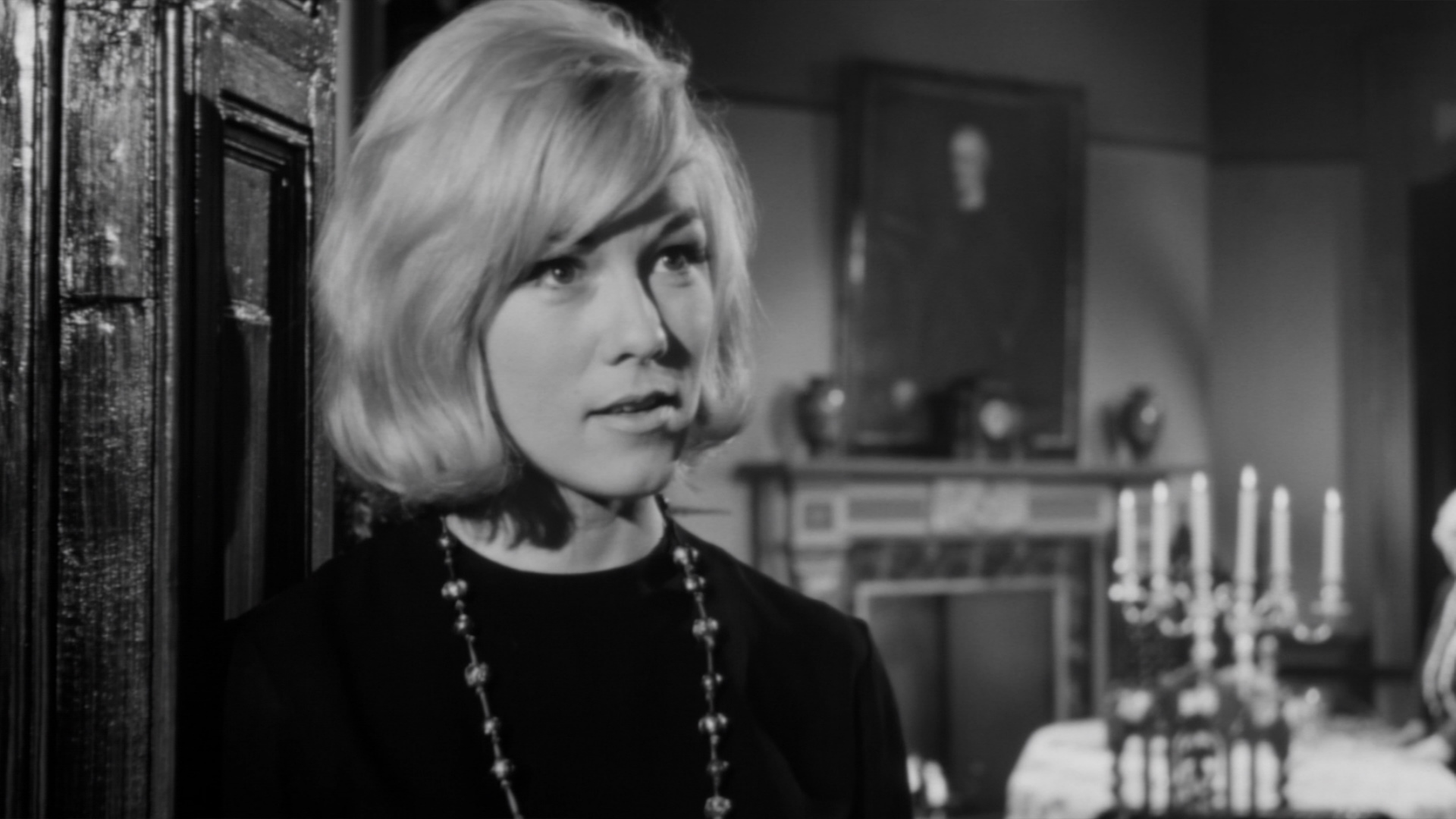
Hammy, poorly written and apparently thrown together on a wet Tuesday when there was nothing on TV, even by the slipshod standards of the Roger Corman factory/sweatshop/breeding ground for 1970s auteurs, “Dementia 13” is a distinctly middling effort. Aside from its splashy title sequence, which is pretty great but has nothing whatever to do with the film, even schlocky pleasures are thin on the ground here, and it would take more determined auteurists than we are to be able to find too many foreshadowing traces of Coppola’s incipient style, except perhaps a few neat atmospheric flourishes. Co-written by future exploitation director Jack Hill (“Foxy Brown,” “Coffy” —have you read our feature on kick-ass movie heroines?), this film certainly feels more of a piece with that level of cheapie than with “The Godfather,” though it does have a few moments in between the clangy, repetitive dialogue and redundant characters (there’s a second blonde whose narrative function is literally impossible to discern) and the plot does allow for a couple of halfway decent scares. Detailing a rapacious woman’s plan to ingratiate herself with her deceased husband’s wealthy family in Ireland and her attempts to use the spooky circumstances of the death of a beloved child as a means to that end before discovering that a killer is still at large, we suppose you can admire “Dementia 13” for having the balls to kill off its apparent protagonist “Psycho”-style halfway through, and for the novel way it manages to work in a little semi-nudity. Otherwise, it’s pretty creaky stuff and largely one for Coppola completists, Corman devotees or those interested in gimmicky marketing techniques only (patrons were asked to sit the D-13 “test” and if they failed would be asked to leave the theater!!), though at 75 minutes it can hardly outstay its welcome. [C-]
“You’re A Big Boy Now” (1966)
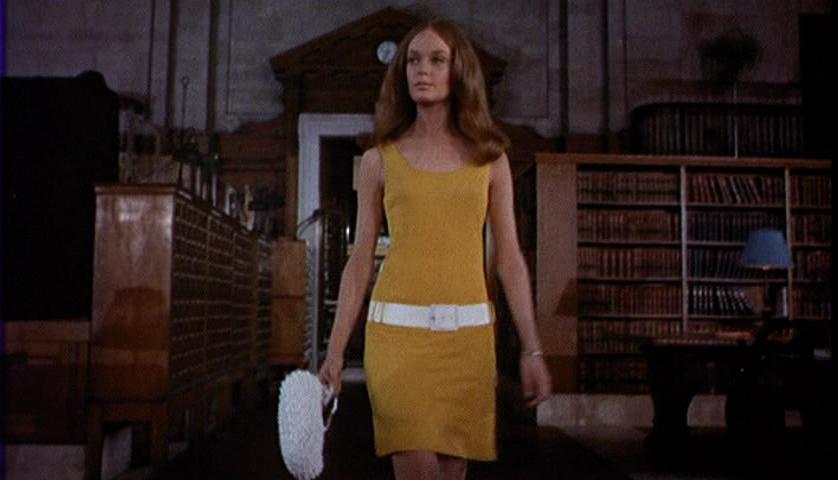
Appropriately titled for a movie that marked the director’s entry into the mainstream, “You’re A Big Boy Now” has a winning confidence that marks it as something different from the work that came before, even if much better was still to come. Based on the novel by British author David Benedictus and originally made as his UCLA thesis before being picked up for distribution by Warner Bros, the film’s a sort of coming-of-age sex comedy about Bernard (Peter Kastner), a repressed young man stymied by his over-protective parents (Rip Torn and an Oscar-nominated Geraldine Page), and torn between a beautiful actress (Elizabeth Hartman) and a nice girl (Karen Black). Infused with a counter-cultural spirit that predated but was overshadowed by films like “The Graduate,” particularly thanks to a smattering of songs from The Lovin’ Spoonful, it’s an interesting mix of old-school screwball comedy and British/French New Wave-influenced style: even if Coppola hadn’t found his own directorial voice yet, there’s a swagger to the movie, not least in a cracking opening shot that introduces Hartman in a bright yellow dress. The performances are the biggest takeaway: Kastner (a double for the MAD Magazine mascot Alfred E. Neumann) makes an appealing lead, Page is neurotically memorable, and Julie Harris is excellent as Bernard’s landlord. Far from a classic, but certainly the beginning of the Coppola we came to know and love. [C+]
“Finian’s Rainbow” (1968)
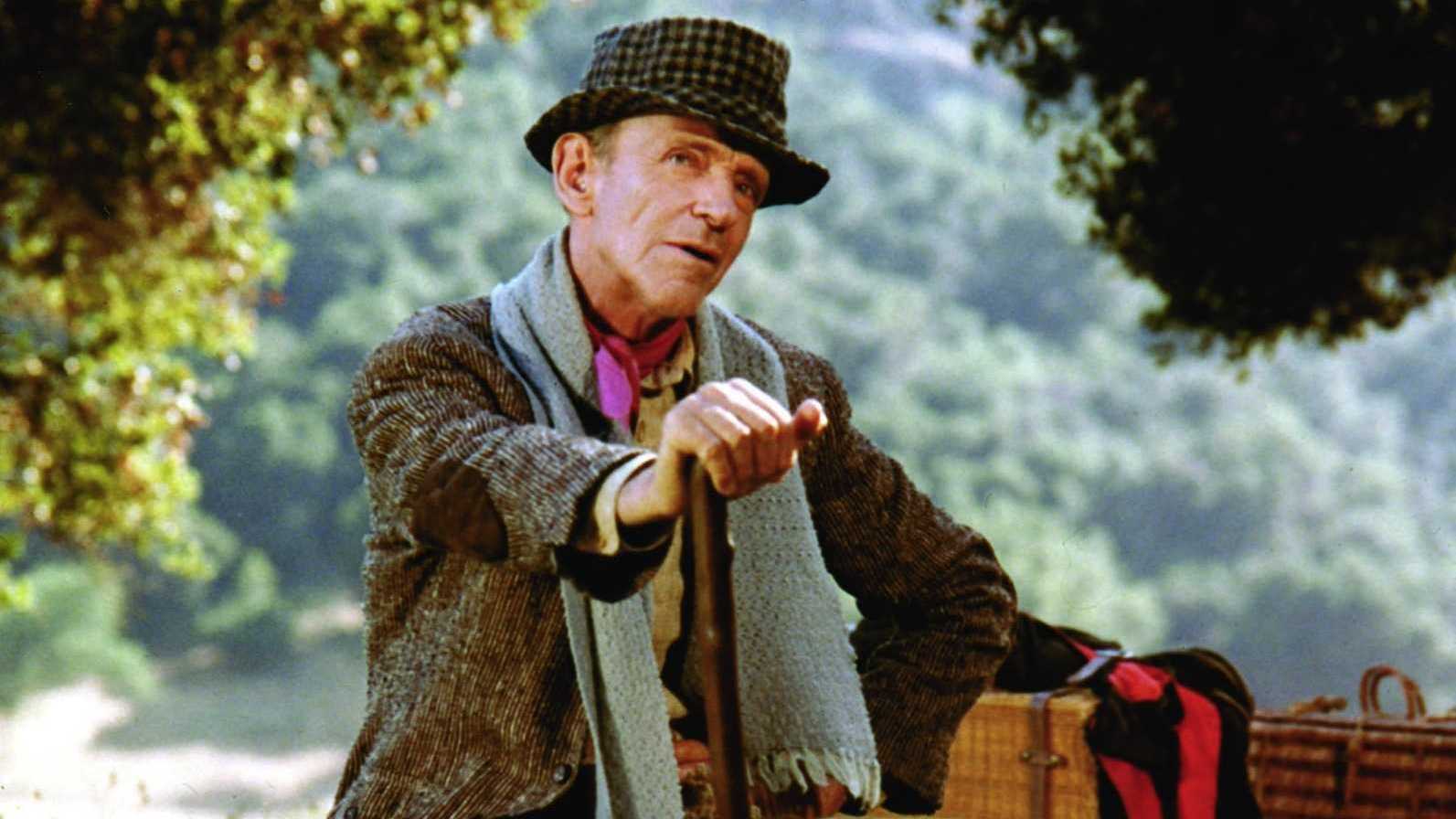
Good notices and buzz around “You’re A Big Boy Now” saw Warner Bros. hire Coppola to direct their adaptation of 1947 stage hit “Finian’s Rainbow,” a movie that proved to be one of the last of the post-“Sound Of Music” wave of expensive, overlong roadshow musicals. It was an odd fit (principally because they thought that Coppola would be cheap), and the result is predictably strange and hardly a success, especially not financially, but you can certainly mine some pleasures from it. The convoluted plot, involving an Irish immigrant father-daughter combo (Fred Astaire, returning to movie musicals for the first time in eleven years, and Petula Clark), a leprechaun called Og (Tommy Steele) pursuing a magical pot of gold, and a racist Senator (Keenan Wynn) turned into a black man to cure him of his racism, is both winningly progressive and unfortunately dated. But there’s a similar uneasy dichotomy to the film as a whole: Coppola wanted to meld his new-fangled sensibilities with an homage to Minnelli and Demy, Warners just wanted him to get on and shoot the thing, and the result is wildly uneven, at least thirty minutes too long, and sometimes deathly dull —particularly as it’s lacking in decent songs. It’s decidedly grating in places, particularly when the eminently smackable Steele is on screen. But every so often —with Clark’s luminous performance, with the chance to see a 69-year-old Astaire still shining, a newfound vulnerability in his once superheroic moves thanks to his age, with Coppola’s deeply felt take on immigration to the U.S, with an ingenious train shot that’s one of this writer’s favorite ever— the film brushes against greatness. The director is pretty down on the movie, at least according to his DVD commentary, but he’s being a touch hard on himself. [C+]

