




“New York Stories” – segment: “Life Without Zoe” (1989)
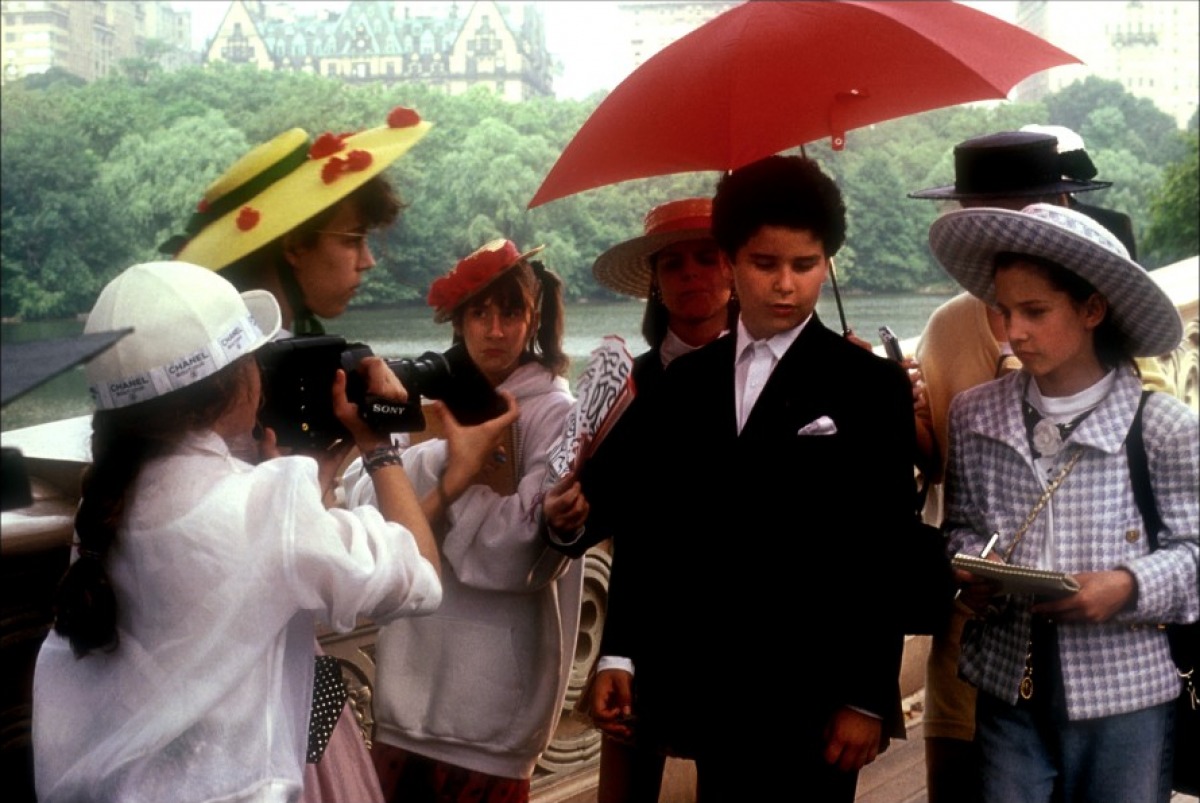
The anthology “New York Stories” was a tantalizing prospect when it premiered at Cannes back in 1989, teaming as it did for the first (and last) time three of American cinema’s most venerated figures, with Coppola serving as the filling in a sandwich of shorts between Martin Scorsese’s “Life Lessons” and Woody Allen‘s “Oedipus Wrecks.” Filler may be the more appropriate term for Coppola’s “Life Without Zoe” —the film is easily the weakest of the three mini-movies (indeed, only Scorsese’s is really worth the price of admission), and one of the most disposable things that the director ever made. The film centers on a spoilt young rich girl (Heather McComb) whose feuding parents (Giancarlo Giannini and Talia Shire) are splitting up, and who after her apartment is robbed sets out to return a piece of jewellery to an Arab princess. It’s arguably become more interesting now than it was at the time: in its study of ennui and privilege, it serves as a sort of precursor to the work of the director’s daughter Sofia. As such, fans of “Somewhere” or “The Bling Ring” might find something to like. We find the film pretty empty and dull, particularly badly served by following Scorsese’s entry, with Don Novello the only real spark of life as McComb’s butler. [D]
“The Godfather Part III” (1990)
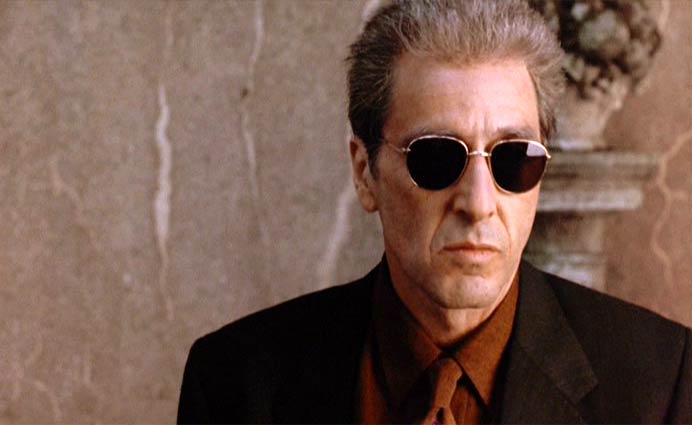
Few films in history have been as hotly anticipated as “The Godfather Part III.” Coming sixteen years after “Part II,” the threequel was bound to disappoint many and has a reputation as a misfire, but nearly a quarter-of-a-century on is more than worthy of reappraisal, even if it doesn’t quite hit the heights of its predecessors. Set as the 1970s turns into the 1980s, against the backdrop of the final days of Pope Paul VI (and the short-lived John Paul I), it sees Michael Corleone (Al Pacino) still wracked with guilt over the death of Fredo and trying to go straight with a huge land deal involving the Vatican. But famously, just when he thought he was out, they pull him back in, and the plotting of enforcer Joey Zasa (Joe Mantegna) and Don Altobello (Eli Wallach), along with the arrival of Sonny’s bastard son Vincent (Andy Garcia), looks to scupper the plan and lead to tragedy. The film (hastily put together when a semi-reluctant Coppola faced financial difficulties, as well as Paramount needing a holiday blockbuster for 1990) undoubtedly makes missteps: the Pope-assassination plot and some of the action sequences are far-fetched in a way that the previous movies never were, the script never finds a satisfying way to re-integrate Diane Keaton‘s Kay, who feels superfluous, and yes, Sofia Coppola is miscast as daughter Mary. But it’s still a muscular, chewy crime picture, steeped satisfyingly and substantially in Catholic guilt, and with performances (Pacino, Garcia and Mantegna are particularly good) and scenes that can stand against anything in the trilogy. Maybe we’ve softened to the picture thanks to the serialization of movies and the rise of cable drama, which this serves as something of a precursor to. But we’d maintain that “The Godfather Part III” isn’t the bum note that many accuse it of being. [B]
“Bram Stoker’s Dracula” (1992)
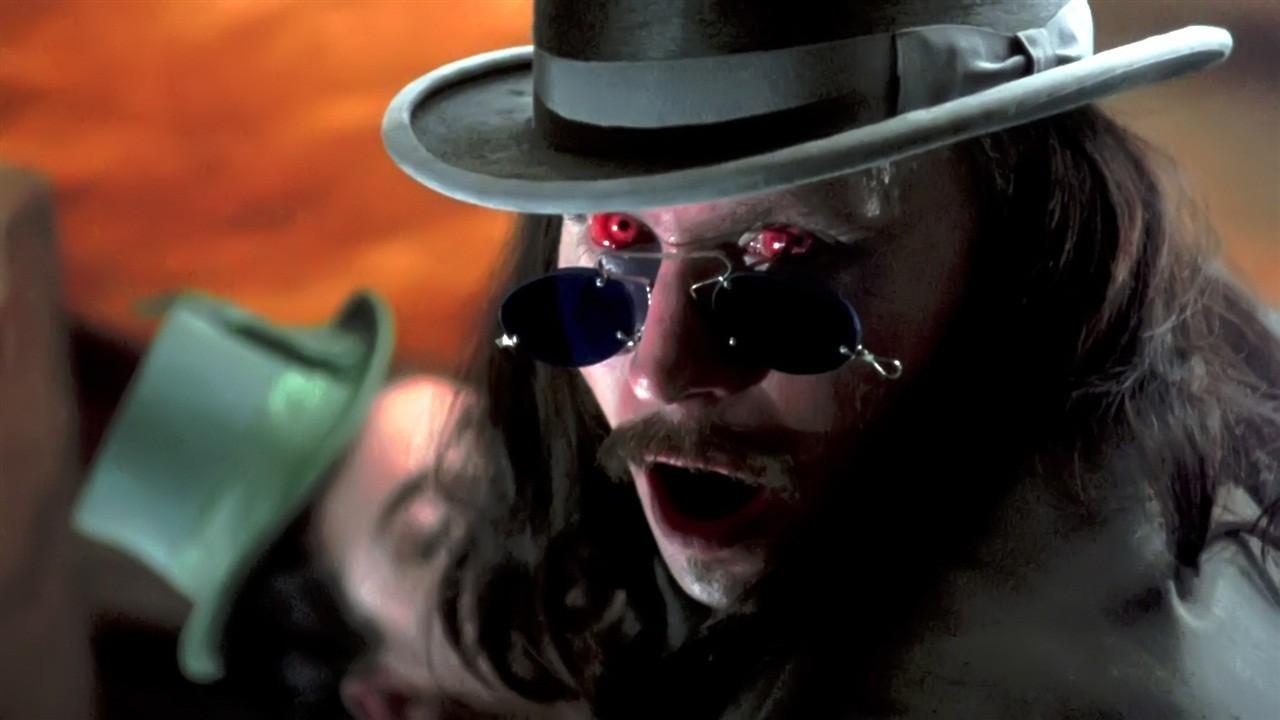
Bordering on kitsch and occasionally tipping over, there are two main things stopping “Bram Stoker’s Dracula” from devolving into the all-out campiness that threatens to engulf the endeavor: Gary Oldman’s wildly over the top yet still somehow terrifically enjoyable performance as the blood-thirsty prince of darkness, and the sumptuous, lustrous, spared-no-expense aesthetics that bring new meaning to the word lavish. It’s 1992 and you’ve just stained the unimpeachable reputation of one of the most respected film franchises of all time, and your own crowning glory, by directing “Godfather III.” What do you do? Meet up with Winona Ryder, apparently (Ryder was famously due to play role in the third ‘Godfather’ installment that then went to Sofia Coppola, whose performance came in for the lion’s share of the disapprobation heaped on the film). It was Ryder who gave him the script, and there was clearly some kind of spark, because Coppola agreed to venture where many had tread before. But Coppola vowed to make a faithful adaptation out of Bram Stoker’s tale, and the result is a highly entertaining, but undeniably uneven, nightmarish amalgamation of sex, fear, love, and control, and a visually hypnotic experience. Notoriously opting to have all the special effects in the film be a combination of forced perspectives, matte paintings, and props built specifically for certain scenes, Coppola ensured that the visual element would be a priority from the get-go. With its bombastic, Academy Award winning costumes and an old-fashioned approach to filming, ‘Dracula’ whatever its narrative failings, remains a timeless visual specimen. The making-of documentary, in which you get to see just how much emphasis Coppola put on the costumes, is recommended as well. But the down side to excelling in the technical departments is that it shows up the film’s less convincing elements, notably poor Keanu Reeves and a script that veers very close to silly. Oldman and a luminous Ryder, however, are more ably supported by Anthony Hopkins and Tom Waits (as Renfield in a stroke of genius casting) and ultimately Coppola delivers a film far short of his real high points, but nonetheless a grander entertainment than a lot of his films of this period could possibly claim to be. [B]