




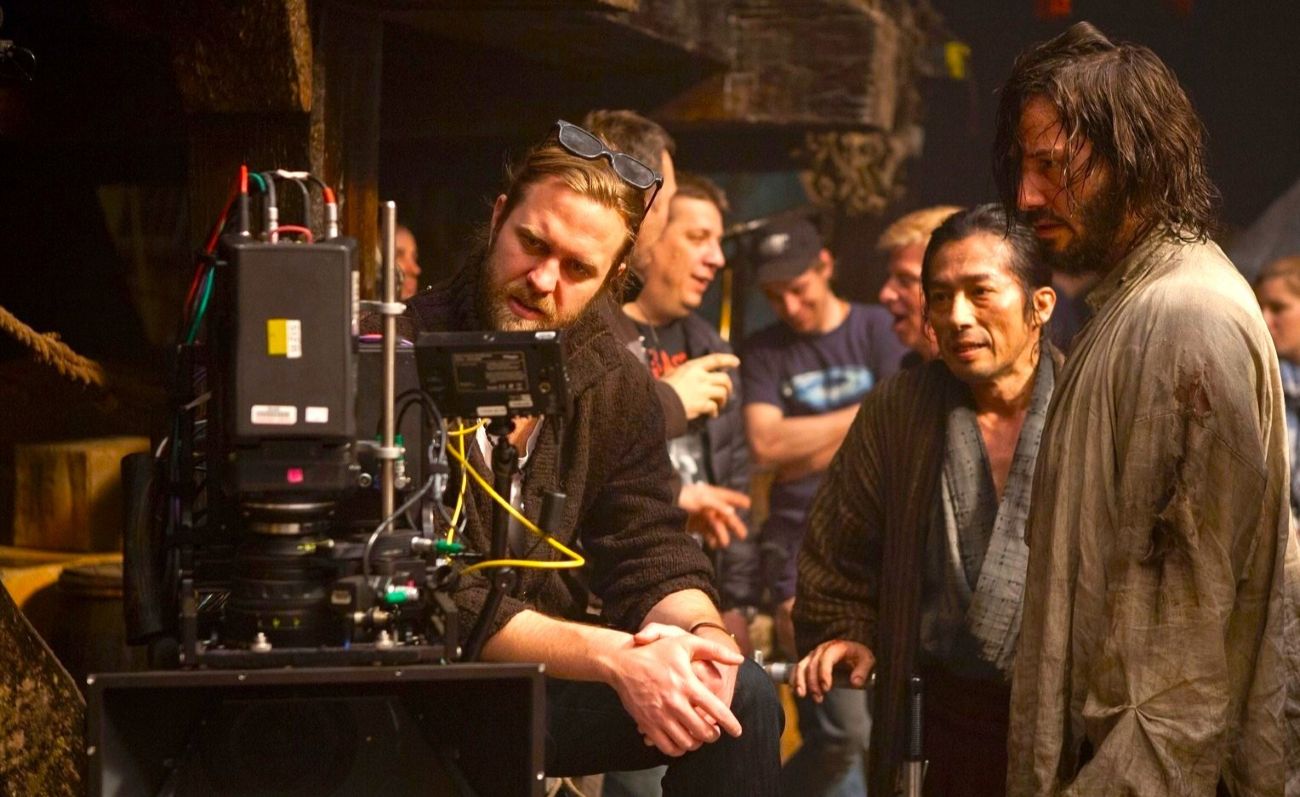
We don’t often hear about filmmakers going to prison, but even less for committing fraud against their employers, financial partners, and studios that they’re actively working with. In the case of “47 Ronin” filmmaker Carl Rinsch, he was just sentenced this week in Manhanttan, New York for a fraud scheme that saw him take $11 million for a development deal and simply never delivered on that promise to Netflix (the series project was called “White Horse“) and a bunch of crimes assocatied with the events.
As mentioned by outlets such as The Hollywood Reporter, Rinsch is now set to serve a 30-month prison sentence for his criminal actions, and his “47 Ronin” star, Keanu Reeves, even attempted to urge the court/judge to be merciful toward the director (Reeves leaning again into his good guy off-screen persona).
READ MORE: 53 Must-See Films To Watch Summer 2026
That batch of charges that led to convictions included “wire fraud, money laundering, and multiple counts related to engaging in illegal monetary transactions…He had spent funds earmarked for a series titled ‘White Horse’ on risky securities trades, using profits from those investments to sue Netflix for further payments to finish the show and purchase luxury goods.” As you might expect, this is not a run-of-the-mill type of behavior by any means.
That’s not it, Rinsch was also sentenced to “three years of supervised release and ordered to pay Netflix $11 million in restitution.” All things considered, he came off light from what he could have ended up getting in sentencing. While Rinsch had been facing a maximum term of 90 YEARS (wowzers), federal prosecutors were recommending a 60-month prison sentence. Instead, U.S. District Judge Jed Rakoff brought down the sentence to the lower end of the guidelines after it was revealed the filmmaker was dealing with an “untreated mental health condition.”
Despite the 30 months in prison, ultimately, it sounds like Rinsch dodged a serious bullet when he could have been looking at more than a decade behind bars, and he possibly won’t even serve that full 30 months, as good behavior could lead to an early release. Hopefully, this proves as an example for others to simply give development money back if they don’t actually intend on making a project.
Also, we have to assume that Carl Rinsch may fully step away from the industry (not like he was hugely active to begin with, his last feature was “47 Ronin” back in 2013 as that has some infamous production headaches and bloated costs) and do some extreme soul-searching about what he plans to do with his life (maybe go back to directing music videos and shorts?), as we suspect no financier nor studio is going to touch him with a ten-foot pole after he’s released.


