


 “Happy Together” (1997)
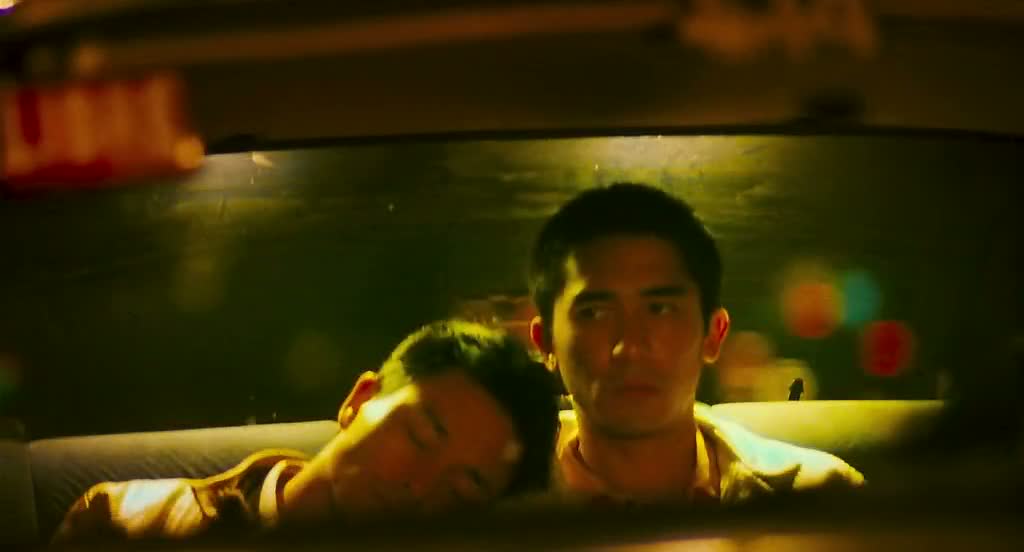
In Wong’s cinema, there are love stories, to be sure, but love is the heaviest burden of them all, leaving open wounds that, even if they heal, leave permanent scars. But when he’s firing on all cylinders, as he was for this love story about two men (frequent Wong collaborator Tony Leung and pop star Leslie Cheung, who tragically committed suicide in 2003) who share a deep passion, but are otherwise all wrong for each other, the melodrama works because you get a sense of how the characters evolve and learn from their past. “Happy Together” works like our memories, offering quick glimpses and moments at a relationship that you know from the beginning can’t work, but is nonetheless compelling to watch for its raw, visceral honesty. Anybody—gay, bi or straight—who’s been with someone to whom you felt an intense connection that while meaningful, left you sad, lost and frustrated more often than not can find truth in the struggles of these two men. Watching Wong’s good films, how can you not be impressed by his command of tone, atmosphere, mood and style, and how they all coalesce to form a wholly alive, warts-and-all, cinema. He’s the eternal sensualist, tuning you on to the sounds, images and smells of the environment and somehow building a wellspring of interiorized feeling from all these exterior details. The inherent irony in the title only adds to the emotional heft and atmosphere. “Happy Together” puts you through the wringer, putting almost embarrassing private moments on display, but there’s a sense of hope left at the end when you realize the characters, damaged and lonely though they may be, are better for having met each other. [A-]
 “In the Mood for Love” (2000)
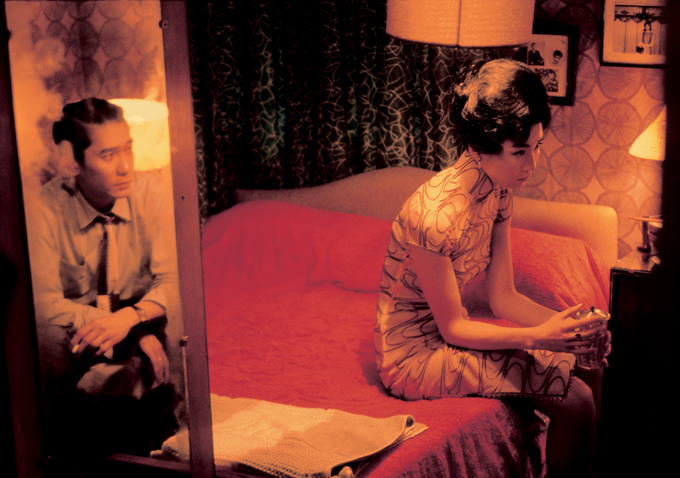
No other sensualist filmmaker can so quickly wrap the audience in his spell but while Wong’s films are alive, breathing, they’re also capable of changing the viewer’s perception. Watching “In the Mood for Love,” the pinnacle of his career thus far and a flat-out modern masterpiece, it’s as mood-altering as smoking some really good weed. You watch the gorgeous gliding camera, the way it dances with the music, how much time is given to take in a hallway, or a moment between two would-be lovers who never take the romantic steps they so longingly desire, and you feel different, changed by what’s on screen. It’s a haunting, absolutely stunning piece of work. The period details are lush, perfect and unbelievably evocative: this is easily the most romantic film ever about a couple who never consummate their love. Following a journalist (Leung) who moves in to an apartment in the same building as Su Li-zhen (Maggie Cheung), the film chronicles the longing, chance encounters and missed opportunities between the pair as they realize their spouses are having an affair. Despite being cuckolded, they never stoop to the level of their partners, and instead aim for a platonic friendship, which, this being a Wong film, has its own sad realities and heartbreak. This is the last film on which the Hong Kong filmmaker would work with DP Christopher Doyle (barring some parts of “2046” and short film “The Hand“), as the production proved to be straining on their fruitful collaboration. We do wish we could add more nuance and original thought to the glowing praise this film has already received (one of three films made in the 2000s that landed on the most recent Sight and Sound greatest films of all time list), but sometimes you just have to join the chorus: this film is lush, luxuriant, undeniable greatness. [A+]

