


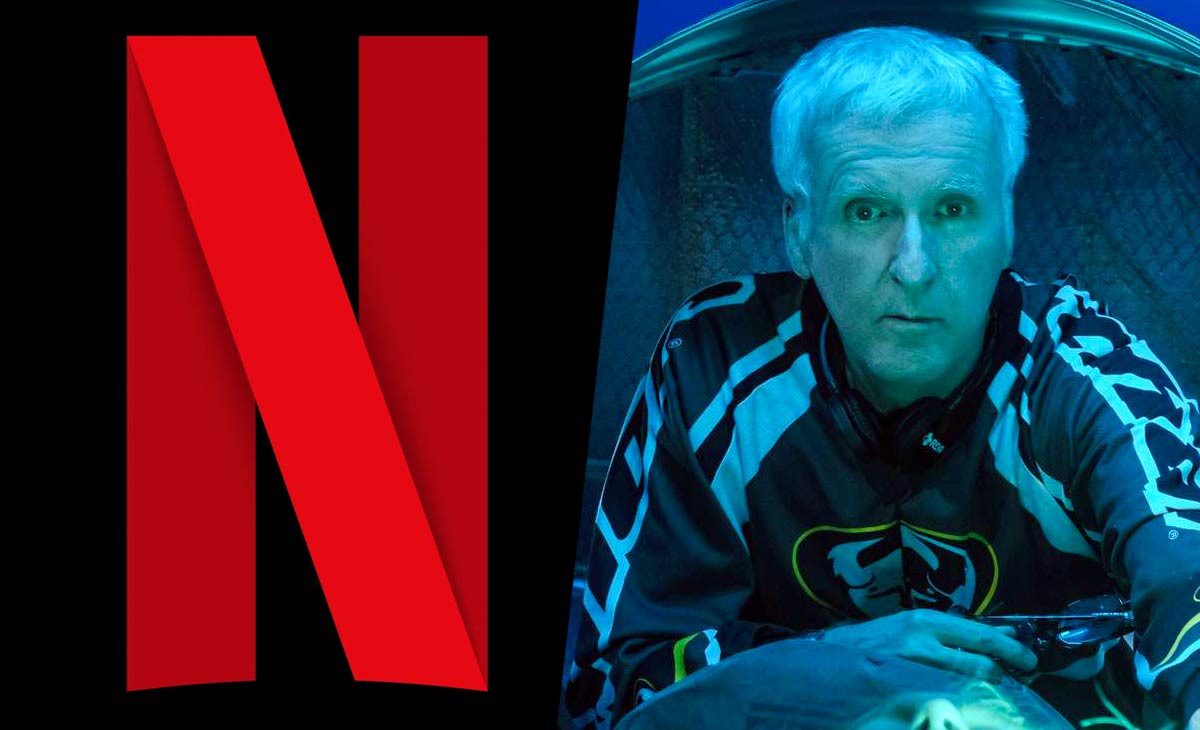
As Netflix’s proposed acquisition of Warner Bros. Discovery faces heightened scrutiny in Congress—alongside the increasingly relentless push from Paramount CEO David Ellison—filmmaker James Cameron isn’t making it any easier for Netflix or its chief, Ted Sarandos. In a letter sent last week to Sen. Mike Lee, the “Avatar” filmmaker slammed the streamer;s proposed purchase of Warner Bros. Discovery’s studio and streaming assets, warning it would be “disastrous” for the theatrical business and the jobs that ride on it (via Variety Australia).
Cameron’s core point is typically blunt: streaming may be part of every film’s afterlife, but he’s built his career on the idea that cinema is an event—one that requires a functioning marketplace to exist at scale. “I believe strongly that the proposed sale of Warner Bros. Discovery to Netflix will be disastrous for the theatrical motion picture business that I have dedicated my life’s work to,” Cameron wrote, adding that while his movies thrive “in the downstream video markets,” his “first love is the cinema.”
And he doesn’t frame that as nostalgia or auteur posturing. He frames it as labor math. Cameron predicted that if the market for expensive, wide-release films shrinks further, “Theaters will close. Fewer films will be made. The job losses will spiral.”
The letter also aims at the fundamental mismatch Cameron sees between Netflix’s incentives and a legacy studio’s: “The business model of Netflix is directly at odds with the theatrical film production and exhibition business,” he wrote, arguing that it’s likewise at odds with “the business model of the Warner Brothers movie division.”
Lee, who chairs the Senate subcommittee on antitrust, competition policy, and consumer rights, responded with a statement indicating the subcommittee has been hearing from creatives and is open to further scrutiny. “We have received outreach from actors, directors, and other interested parties about the proposed Netflix and Warner Bros. merger, and I share many of their concerns,” Lee said, adding he looked forward to a follow-up hearing.
All of this is landing in the middle of a high-stakes, deadline-driven fight for Warner’s assets. Reuters reports Netflix has offered $27.75 per share (about $82.7 billion) for the studio and streaming businesses, while Paramount has been pressing a competing bid for the entire company and has until February 23, 2026, to submit a “best and final” offer under the current window.
Cameron also warned the damage wouldn’t stop at domestic theaters, contending that Hollywood’s global export power would take a hit if a streamer-owned studio deprioritized the traditional pipeline that feeds worldwide movie culture. “The U.S. may no longer lead in auto or steel manufacturing, but it is still the world leader in movies. That will change for the worse,” he wrote.
Cameron always has a take, so the need to weigh in isn’t a surprise. But what’s significant about the take is he’s putting his name on a political document aimed at antitrust enforcement, as the industry keeps arguing over whether streaming consolidation is an inevitable endgame or a slow-motion self-own.
Meanwhile, even if Sarandos is now swearing fealty to a “traditional” 45-day theatrical window—plus a PVOD step before anything hits HBO Max—the proposal still has to survive a messier second act: congressional scrutiny, an antitrust hearing calendar, and a live rival track after Warner reopened talks with Paramount Skydance (P.S., you should listen to the recent The Town podcast hwere Sarandos addressed much of the particulars of the deal).
That’s why Sarandos keeps hammering assurances like, “We’re buying a business model, and we’re going to invest in it and grow it, not kill it”—a public reset after past remarks about theaters as an “outdated concept” and an “outmoded idea” have become ready-made ammunition for skeptics.
Either way, presumably James Cameron ain’t making a film for the streamer any time soon.

Rodrigo Perez is the founder and editor-in-chief of The Playlist, which he launched in 2008. He has worked in entertainment journalism since 2000, including at MTV, and has written for SPIN, IndieWire, Pitchfork, Complex, Magnet, and various music, film, and entertainment publications over the past two decades.
- Rodrigo Perez
- Rodrigo Perez
- Rodrigo Perez
- Rodrigo Perez
- Rodrigo Perez
- Rodrigo Perez
- Rodrigo Perez
- Rodrigo Perez
- Rodrigo Perez
- Rodrigo Perez

