




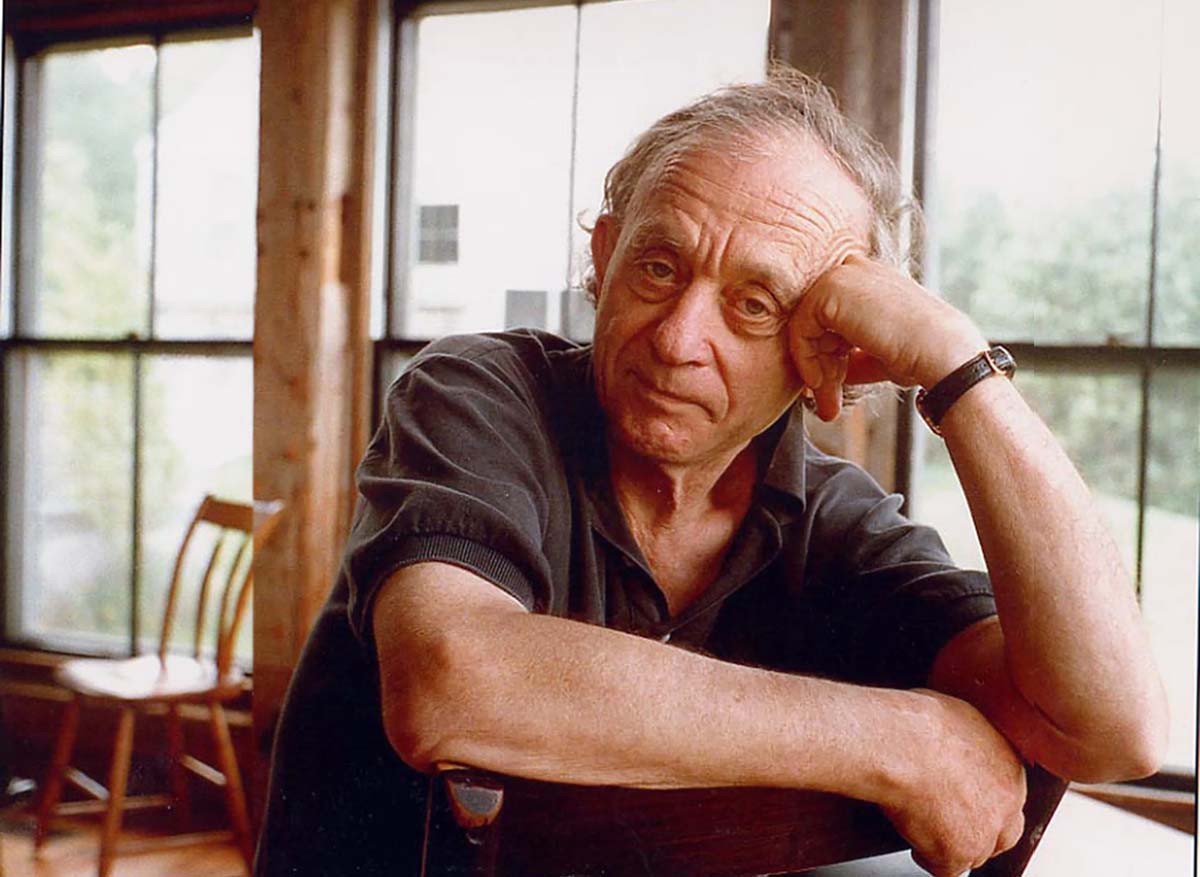
Frederick Wiseman, the pioneering documentarian whose patient, unsparing films mapped the inner life of American institutions with a novelist’s eye for behavior and power, has died. He was 96. His death was announced in a joint statement from his family and his longtime production company, Zipporah Films.
Wiseman died on February 16 at his home in Cambridge, Massachusetts, according to multiple reports. No cause of death was disclosed.
Across a career that spanned nearly six decades, Wiseman built a body of work that resisted the shortcuts of “issue” documentary, even when the subject matter was explosive. His signature approach—no narration, no talking-head interviews, no overt guidance—placed viewers inside schools, hospitals, city governments, courts, and cultural institutions long enough for patterns to emerge: the small negotiations of language, the grind of bureaucracy, the quiet kindness, the casual cruelty.
The template arrived early with “Titicut Follies” (1967), his first feature, a harrowing look inside a Massachusetts institution for the criminally insane that became a landmark of American documentary—and a legal flashpoint, tied up for years by restrictions on public screenings. From there, he kept returning to systems that shape everyday life, turning films like “High School,” “Hospital,” “Welfare,” and “Law and Order” into something like a living archive of how a society talks to itself when it thinks no one is listening.
Born in Boston in 1930, Wiseman trained as a lawyer—earning a degree from Yale Law School—and taught before he shifted into filmmaking in the 1960s, a late entry that never read as tentative. His films were often long, meticulously structured in the editing room, and adamantly uninterested in “balance” as a pose; the perspective came from selection, rhythm, and the cumulative weight of scenes.
If the early work defined his reputation, the later films showed how elastic the form could be without changing its core. Projects like “At Berkeley,” “Ex Libris: The New York Public Library,” and “City Hall” expanded his focus from a single institution’s daily churn to a broader portrait of civic life—how ideals get translated (or compromised) in meetings, budgets, procedures, and arguments that never make it into campaign speeches. Even when he filmed outside the U.S., his eye stayed the same: attentive to ritual, hierarchy, and the way culture reveals itself through work.
Wiseman’s influence was enormous—felt in generations of nonfiction filmmakers who learned that observation can be a point of view, and that clarity can come from duration. In 2016, the Academy honored him with an honorary Oscar, recognizing a career that had quietly redrawn the boundaries of what documentary could be.
He is survived by two sons and three grandchildren, according to various reports.