


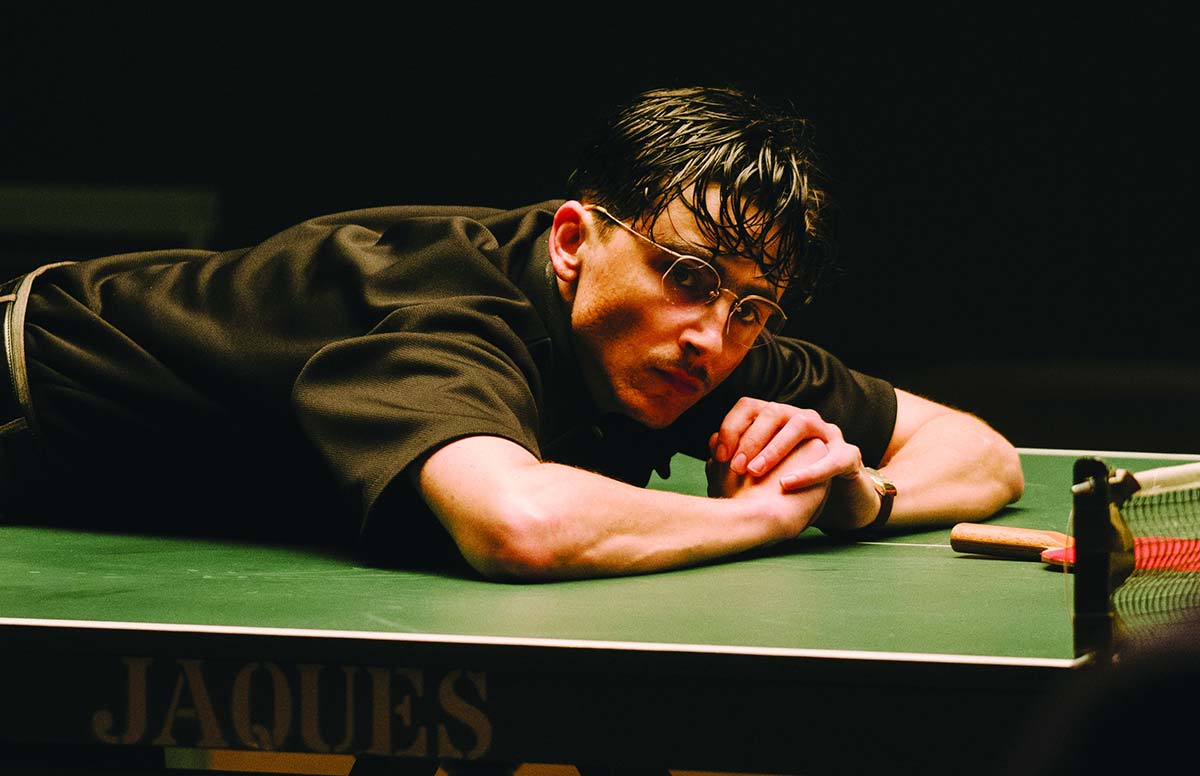
The internet is unusable right now, particularly Twitter, awash with nonsense—armchair experts who have no clue how Oscar voting works, yet are utterly confident in their ignorant expertise (You do know that the 10,000 Oscar voters do not collectively decide these awards, right?). So here’s the corrective. Timothée Chalamet did not lose Best Actor just because one ballet-and-opera flare-up suddenly changed thousands of ballots on Oscar night.
READ MORE: Best & Worst Of The 2026 Oscars
Final Oscar voting ran from February 26 through March 5, and the broader backlash cycle around those comments really swelled after that window had already closed. Meanwhile, Michael B. Jordan won Best Actor for “Sinners,” and “Marty Supreme” went 0-for-9 at the 98th Academy Awards.
Before anything else, let’s establish the obvious. Chalamet was excellent in “Marty Supreme.” He was Oscar-worthy. And for a large stretch of the season, he 1000% looked like the lock; the one-time frontrunner after taking the Golden Globe and Critics’ Choice. But Oscar races rarely turn on one clean, tidy explanation. More often, they curdle by minute degrees: a campaign gets too loud, a movie loses altitude, some collateral noise starts to cling to the film, the Academy decides a young star can wait, and a rival closes with better timing and warmer peer energy. That’s what happened here: the winds of fortune started to subtly change.
1. It wasn’t just opera-gate.
This is the easiest theory to swat down. Conan O’Brien could joke about the comments on Oscar night because by then, everyone knew the reference. But the chronology matters more than the meme. The Academy’s own calendar says final Oscar voting ended on March 5. Chalamet’s remarks came during a February 24 town hall. Still, the broader backlash that turned the comments into a real awards-season mini-scandal clickbait didn’t flare up into a full media feeding frenzy cycle until March 8, when the performing-arts pushback snowballed into an overblown story of its own (factually, Chalamet is right, ballet is in decline, the comment was also said in playful, trying-to-make-an-audience-laugh jest by anyone who cared to watch and listen). By Oscar night, Conan could make a meal out of it, and sure, it had some impact—see the anonymous Oscar voter’s comments below—but that’s not the same thing as saying it decided ballots that had already mostly been cast weeks earlier.
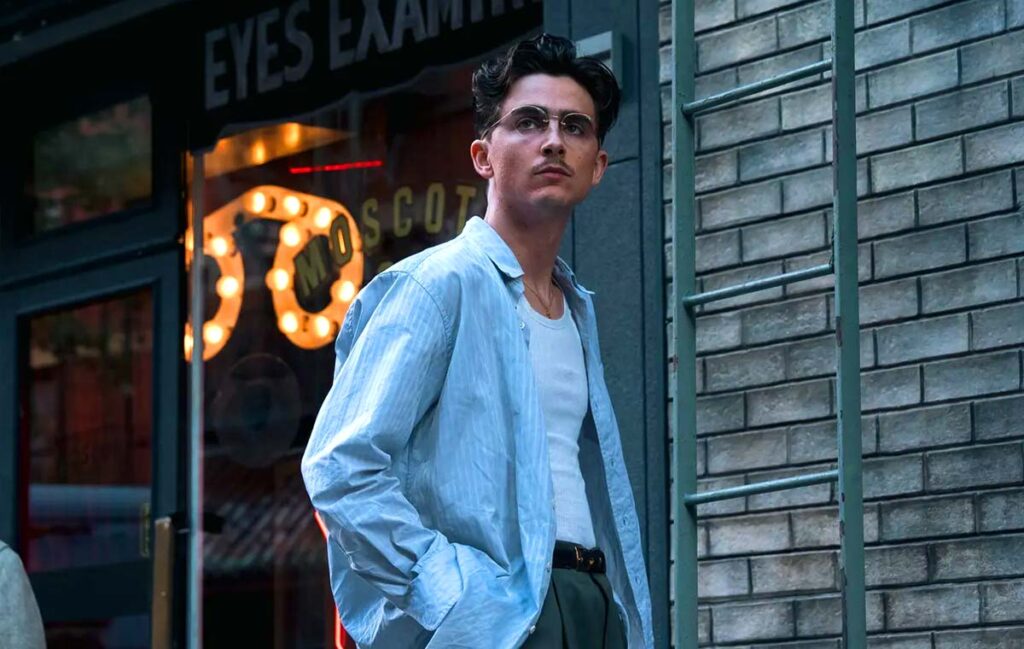
2. The campaign started to feel sweaty
Oscar season drags on too long, and by the end, impatience tends to turn the whole thing a little rancid. Every narrative gets overworked, every quote gets over-litigated, campaigns start to feel faintly desperate, and even a smart push can curdle into overexposure. Chalamet wasn’t the only one caught in that machine, but he arguably gave it a little too much—too much visibility, too much self-conscious striving, too much sense that he wanted the moment now.
The problem wasn’t just the amount of campaigning, either. It was the tone of it. The viral, leaked-style Zoom call for “Marty Supreme” became one of the defining images of the rollout. But for people already tiring of the campaign, that kind of elaborate, self-serious meta-marketing read just as cringey as clever. Certainly, social media started criticizing this moment for being painfully unself-aware of how it came across.
Then there was everything else: Chalamet openly saying he spent over six figures out of pocket to make his “SNL” musical-guest turn happen, the constant high-wattage visibility, the sense that every appearance was trying to keep the performance and the candidacy at full volume. In a shorter season, that kind of effort might have read as hunger. In a bloated, toxic one, it started to read as sweat. And by the end, for at least some voters, that enthusiasm seems to have curdled into arrogance.
As one anonymous, former Best Actor frontrunner and Oscar voter told EW about Chamalet. “Oh, yeah. F— that guy. “It’s so trashy. Punching down on artists who make a fraction of what he makes, yet have spent 10 to 20 years honing their craft? I’m sorry, you know, this guy is not Philip Seymour Hoffman. And Philip Seymour Hoffman would certainly never punch down on opera or ballet dancers. That’s an entitled dude. I’m sorry. I lost a lot of respect for him.” If a fellow actor who went through the same Oscar grind couldn’t feel that way about him and couldn’t empathize, imagine how thousands of other Oscar voters felt.
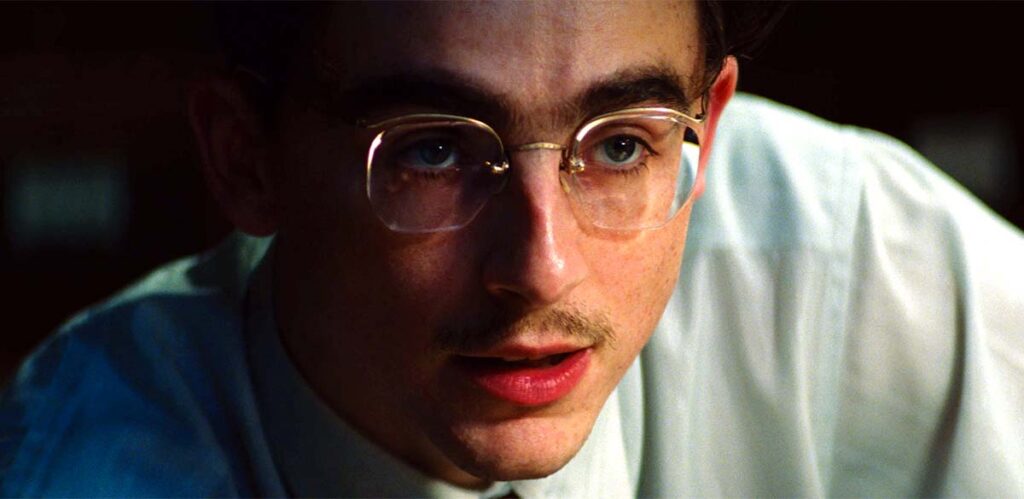
3. Modesty is an underrated virtue in an Oscar race.
Separate from the campaign’s sheer visibility was the more damaging question of tone. Oscar voters can tolerate ambition—sometimes they even admire it—but they still tend to recoil when that ambition starts to scan as entitlement. By the end of the season, there was a growing sense in some corners that Chalamet’s enthusiasm had turned a little cocky, that the campaign wasn’t just eager anymore, but faintly self-mythologizing in a way that made people want to push back.
That reaction doesn’t have to be universal to matter. It only has to exist in enough pockets of the Academy to change the weather of a race. Entertainment Weekly’s aforementioned anonymous-voter roundup captured that mood pretty bluntly; comments with open contempt rather than sympathy. Once that kind of sentiment is in the air, a campaign can stop feeling like passion and start feeling like someone trying to script his own coronation in public. And Oscars voters, for all their sentimentality, still don’t love being told when they’re supposed to kneel.

4. The Josh Safdie / “Marty Supreme” cloud didn’t help—even if it wasn’t Chalamet’s fault
This was never the main thing, and it would be silly to pretend otherwise. But it also was not nothing. Once controversy starts clinging to a movie during awards season, the film stops existing inside a purely celebratory bubble, and that happened to “Marty Supreme” at exactly the wrong moment. A Page Six piece made it uglier and more tabloidy, dragging an old controversy about a cut “Good Time” scene back into circulation just as the campaign was trying to stay focused on nominations, performance, and momentum.
That doesn’t mean voters suddenly blamed Chalamet for Josh Safdie’s issues, and it doesn’t mean the whole race turned on one article. But awards campaigns are about atmosphere as much as merit, and “Marty Supreme” lost some of its clean, celebratory sheen once that grime started sticking again. In a close race, even a light layer of scandal-adjacent haze can dull a narrative.

5. It wasn’t his time yet—and the grandstanding didn’t help
This is the least romantic answer and maybe the most Academy answer. Chalamet is 30 and already carries the aura of an eventual Oscar winner. That can become its own trap. When voters believe someone’s coronation is basically inevitable, they often feel less urgency to hand them the statue right now. There was a growing sense that the Academy may have decided it was too soon. Add a campaign that sometimes seemed determined to force the timeline, and you get a very familiar Oscar response: relax, we’ll see you again. That doesn’t mean the performance wasn’t good enough. It means voters often like making the young king wait for the crown.
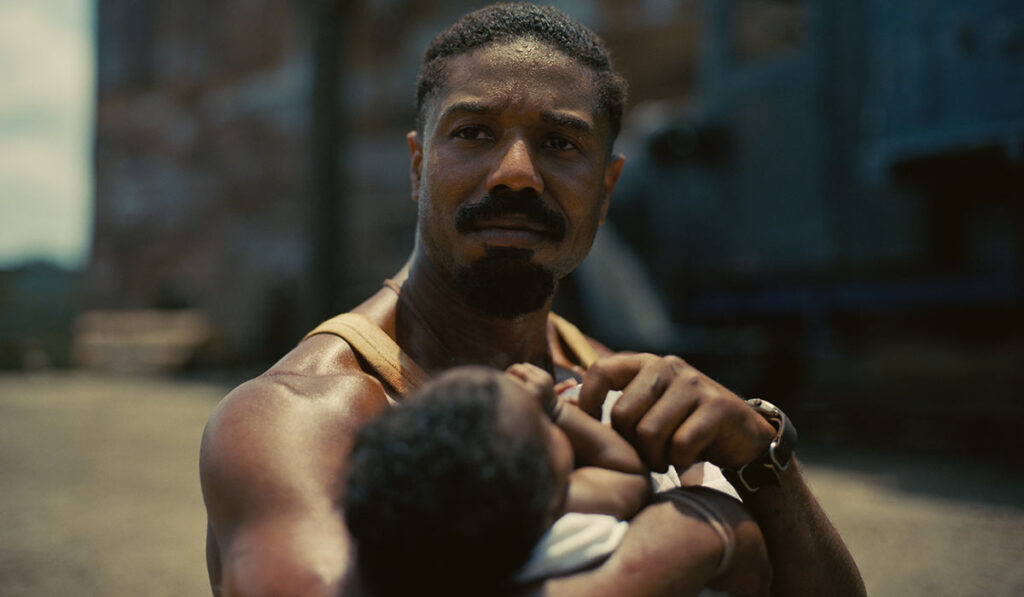
6. Michael B. Jordan and “Sinners” closed harder
This is the real answer—the one that matters more than any backlash narrative. Jordan won the telling key SAG Actor Award on March 1—six days after Chalamet’s opera/ballet comments were made and before they caught heat, which suggested the acting community had already made up its mind long before this so-called scandal.
Winning this crucial award, right in the middle of final Oscar voting, and “Sinners” had the kind of late-season warmth that voters like to ratify. Not for nothing: it’s also an actor playing twins with subtle differences, and the degree of difficulty and the layered nuance that Jordan crafted in his performance to distinguish the small, detailed differences between Smoke and Stack seemed to really blossom in the press in the last two months of the campaign
By the time voting closed on March 5, Jordan wasn’t simply another admired nominee. He was the star of the season’s hottest closer, fronting a film that led the Oscars with 16 nominations and ultimately won four awards. Chalamet didn’t only lose because his campaign got shakier. He lost because Jordan’s got stronger at exactly the right time.
So no, this very likely wasn’t ballet-and-opera karma arriving in one swift, poetic blow, even though it might have felt that way in the media. It was a slower transfer of confidence. Chalamet looked like the one-time frontrunner, but the campaign got louder as the movie around him got wobblier, while Jordan and “Sinners” hit the final stretch with momentum, peer support, and a cleaner story for voters to embrace. That’s usually how these races turn—not with one fatal mistake, but with a subtle, almost imperceptible drift in the room that only looks obvious once it’s all over and done with.

Rodrigo Perez is the founder and editor-in-chief of The Playlist, which he launched in 2008. He has worked in entertainment journalism since 2000, including at MTV, and has written for SPIN, IndieWire, Pitchfork, Complex, Magnet, and various music, film, and entertainment publications over the past two decades.

