


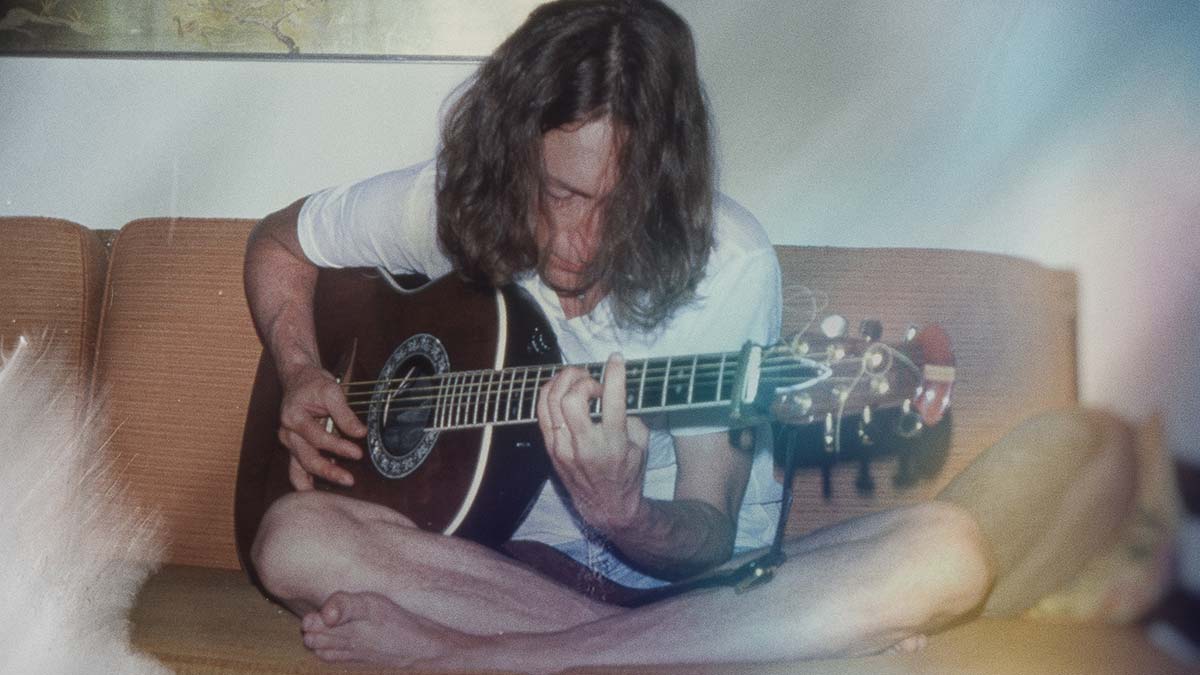
Even after decades of reappraisal, mythmaking, argument, backlash, and rediscovery, there are some cultural losses we never fully recover from. John Lennon’s murder remains one of them. The songs keep finding new listeners, the interviews keep resurfacing, and the contradictions of his life keep getting argued over by people who were not even alive when he died. But the ending has never softened: a voice that still sounds funny, restless, generous, prickly, and fully present, suddenly gone.
READ MORE: 27 Most Anticipated Films From The 2026 Cannes Film Festival
That ache runs through Steven Soderbergh’s “John Lennon, The Last Interview,” a deeply absorbing documentary built around Lennon’s final recorded interview on December 8, 1980, only hours before he was killed outside The Dakota in New York City. The film is not a cradle-to-grave portrait, and it’s better for avoiding that shape. Soderbergh narrows the frame to one day, one conversation, and one artist who seemed, after years of retreat, ready to step back into the world.

Lennon had spent much of the previous five years away from the public glare, raising Sean, living with Yoko Ono, and letting the machinery of fame continue without him for once. He had not vanished, exactly, but he had stepped back from being a working public figure in the way the world expected him to be. Then came Double Fantasy, the album he made with Ono, and the promise of a new chapter: not a Beatles reclamation, not a solo victory lap, but a record about domesticity, marriage, age, survival, and the strange peace he had fought so hard to find.
What makes the interview sound so disarming is that Lennon does not sound like a man tidying up his past for posterity. He sounds present-tense. He talks about fatherhood, love, politics, fame, and Ono with a frankness that feels unforced, and his lightness makes the documentary both joyful and difficult to watch. He was proud of the album, proud of the collaboration, and eager to explain that it belonged to both of them. Soderbergh pulls from the roughly 3-hour radio interview in generous passages, giving the conversation enough room to breathe without turning the film into archival playback.
The interview itself was conducted by four radio figures, a setup that seems a little overstuffed on paper, though the film finds a natural use for that crowded room. Soderbergh speaks with three of the surviving participants, who remember their nerves before meeting Lennon, their surprise at how open he and Ono were, and the slow realization, after the fact, that they had caught him on the final afternoon of his life. Their presence gives the film texture without crowding Lennon out. They are there to remember the day, not to explain him.
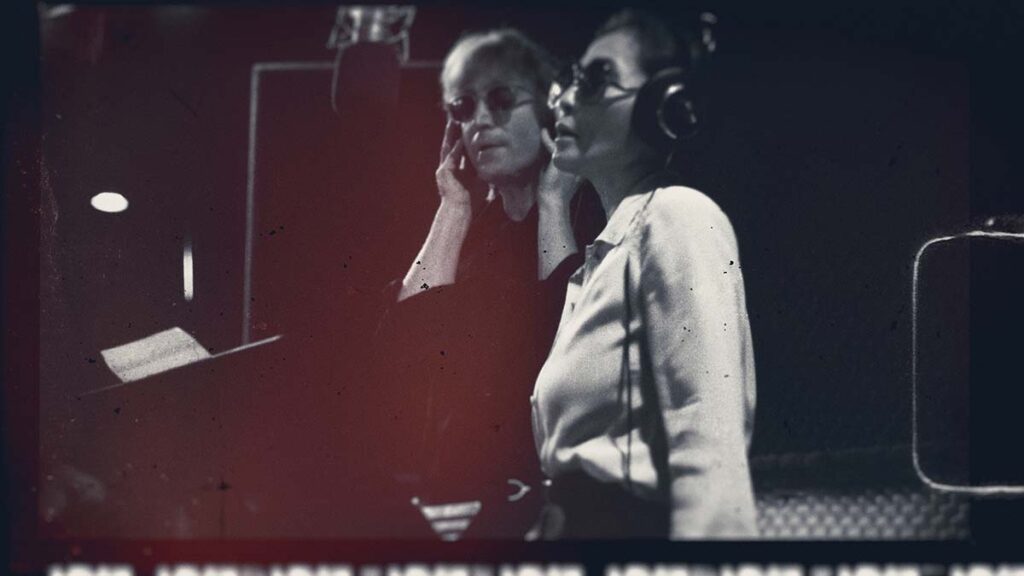
Soderbergh’s own hand is only gently felt in the assembly, not in any need to announce itself. He pairs the interview audio with personal photographs, behind-the-scenes footage, private fragments, and music cues that still pack a ridiculous punch. When Lennon and Beatles songs arrive at full volume over montages of rarely seen material, the emotional response is almost embarrassingly immediate, and the feeling is earned. The music does not simply flatter the archive or lean on nostalgia; it deepens the sense that Lennon was still in motion, still restless, still funny and sharp, still full of unfinished work.
The film came together after Ono and Sean Ono Lennon approached Soderbergh, and it is easy to understand why the answer would be an immediate yes. For some viewers, Lennon may remain trapped in a generational argument—saint, hypocrite, genius, relic, icon, cliché. The documentary quietly moves past that. It does not sand him down, and it does not need to canonize him. Lennon does plenty of the work by being heard: loose, candid, prickly, loving, self-aware, and excited about what came next.
There is, admittedly, one strange wrinkle: the film’s limited use of AI-generated imagery. Any use of AI in a documentary deserves skepticism, especially at a moment when the form is already under pressure from reenactments, digital manipulation, and archival shortcuts. But in practice, the material here is brief and largely confined to abstract passages in which Lennon and Ono talk about love, violence, politics, and human behavior. One image, involving a beefy caveman figure, has an intentionally goofy, artificial quality that seems comical by design. Another, involving children in military-style gear, is more unsettling, though it is easy to understand why that might not have been staged with real children. Some passages are animated, and some are AI-generated, but apart from the last two examples, they are largely indistinguishable and certainly do not poison the movie.
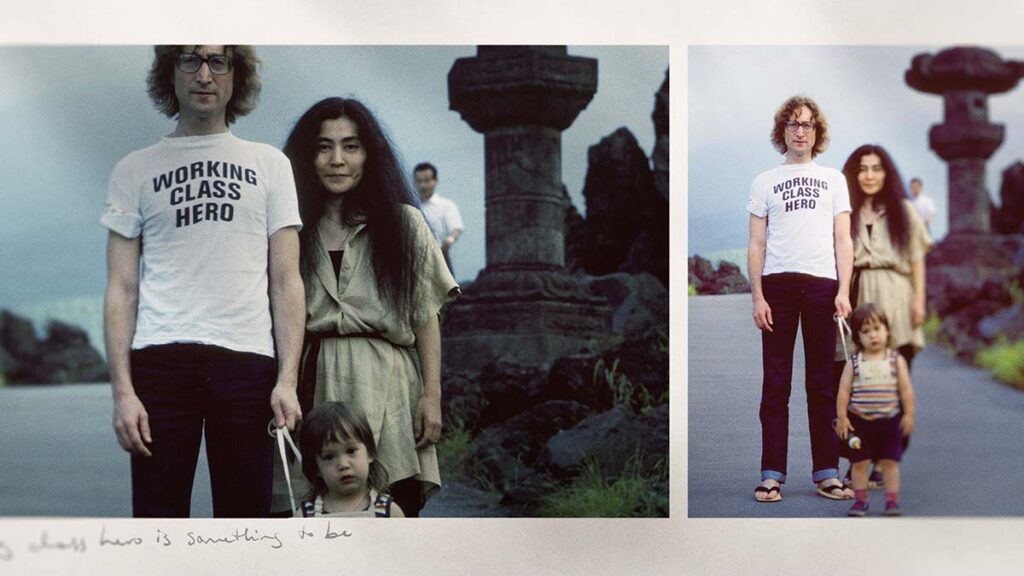
The stronger material is Lennon himself, especially when he talks about being a father and a partner, and about finding his way back to work with Ono after years marked by separation, drift, and uncertainty. Double Fantasy was followed by Milk and Honey, assembled from material recorded around the same period, and heard now, those songs feel like the outline of a phase that never arrived. Lennon was not merely returning to music. He seemed to be returning with a different sense of what his life, marriage, and public voice could be.
The final minutes are devastating because the film has allowed so much room for possibility. The surviving interviewers recall learning that only hours after this generous, expansive conversation, Lennon had been shot by Mark David Chapman. One remembers encountering Chapman outside The Dakota earlier that day, where he pestered her with strange questions about whether she had seen Lennon. Soderbergh folds in the news footage, including the famous interruption of football coverage, and the warmth of the film gives way to the awful public ritual that followed: shock, confusion, grief, and the instant transformation of a living person into a permanent myth.
By the time the minimalist tender ballad “Love” plays near the end, “John Lennon, The Last Interview” has already done what it set out to do. It does not solve Lennon, excuse him, polish him, or bury him under legacy management. It catches him in motion, at a moment when he seemed happy, candid, recharged, and open to the world again. The sadness is not just a life tragically cut short; it’s that, in this final conversation, he sounds as if he were just beginning. [A-]

Born in Chile, raised in Canada, now living in Brooklyn, NY, Rodrigo Perez is the founder and editor-in-chief of The Playlist, which he launched in 2007. He has worked in entertainment journalism since 2000, including at MTV, and has written for SPIN, IndieWire, Pitchfork, Complex, Magnet, MuchMusic, and various music, film, and entertainment publications over the past two decades.

