




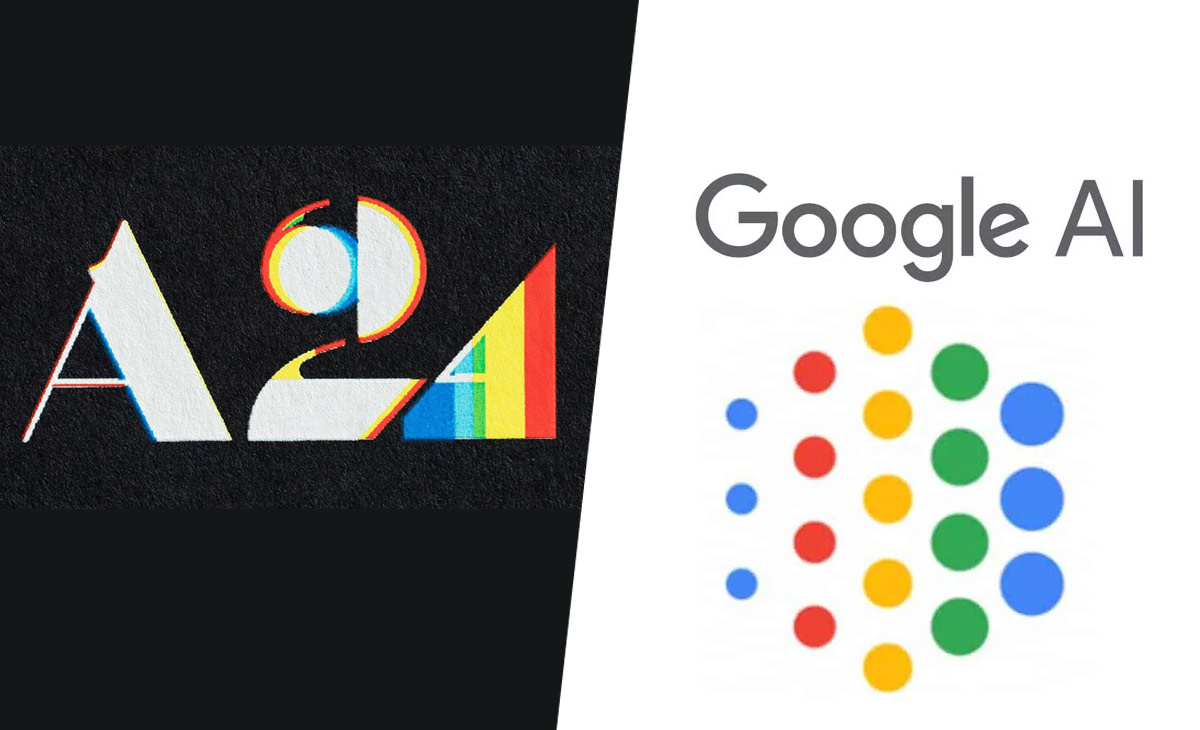
A24, the hipster indie studio and distributor behind a run of critically acclaimed hits, spent more than a decade turning artisanally crafted cinephile taste into a business model. Now, that carefully cultivated indie cool is running headlong into one of the ugliest words in contemporary film culture: AI.
The studio is facing backlash over its $75 million research partnership with Google DeepMind, Google’s in-house artificial intelligence lab. Wired reports that the deal is part of A24 Labs, the company’s technology startup overseen by cofounder Scott Belsky, and is designed to develop filmmaking tools and workflows. That’s the corporate-friendly version. Online, where A24 has spent years being treated as a lifestyle brand for Letterboxd stans and people who adore tote bags, the response has been much less forgiving.
READ MORE: Google Investing $75M Into A24 As Part Of AI Research Partnership
A24 knows why people are mad, according to the Wired piece. This is the studio behind “Moonlight,” “The Witch,” “Midsommar,” “Everything Everywhere All at Once,” and, most recently, “Backrooms,” the horror mega-hit that recently passed $300 million worldwide. Wired notes that “Backrooms” has already been read in some circles as a critique of generative AI, with its images of repetition, degradation, and a world grotesquely copying itself into oblivion. After that, A24 teaming with DeepMind can feel awkward if that critique is front and center.
Speaking to Wired, A24 Communications rep Sophia Shin pushed back on the idea that the deal is some AI content pipeline in disguise.
“This is a research partnership,” Shin said. “We’re working side-by-side with DeepMind’s researchers to learn, iterate, and build, having an active hand in shaping new tools and workflows.”
The anger spilled into public view again after A24 released the trailer for Jesse Eisenberg’s upcoming musical drama “The Debut.” The trailer should have been a normal bit of indie-film rollout machinery. Instead, fans used the replies on X to torch the studio over the DeepMind partnership, with Wired pointing to jokes about the “death” of A24, threats to pirate the company’s movies, and accusations that the studio had kneecapped its own anti-slop identity.
A24’s defense is that the technology toothpaste is already out of the tube, and artists should not have to live with whatever tools Silicon Valley feels like tossing over the wall.
“Our relationship with our audience is something we don’t take for granted,” Shin said. “This partnership exists because we want to dictate what tools get built for artists, and so they have a voice in shaping them rather than having tools handed to them. We’d rather have a seat at the table than on the sidelines.”
That is probably the safest argument available to A24. AI remains radioactive across Hollywood after years of anxiety around automation, copyright, writers’ rooms, VFX labor, entry-level creative jobs, and machine-generated imagery that often looks like the world’s most expensive screensaver having a panic attack. For a studio that has turned human idiosyncrasy, filmmaker trust, and boutique weirdness into its whole public-facing personality, a Google DeepMind partnership is kind of an aura-loss, which kills the party vibe.
Wired also quotes film critic Esther Rosenfield, who argues that A24 has sold the feeling of being “very hip” and “cutting-edge” in much the same way Disney sells nostalgia. That brand alchemy has made A24 one of the rare modern entertainment companies with fans of the company itself, not just fans of individual movies. People do not usually stan distributors, but A24 somehow made that akin to what rock labels like Matador, Domino, Sub Pop, et al, did for their audiences in the 90s and 00s. And perhaps that was always the original model.
Much of that is why this blowback cuts deep. The A24 logo has served as a taste signal, a badge for viewers who want their horror elevated, their marketing cryptic, and their merch tasteful enough to pass as tasteful-enough-to-be-torn streetwear. The DeepMind deal drags that image into the same Silicon Valley-Hollywood merger zone many film fans already distrust at first sight.
Shin insists the partnership is not about letting users generate their own knockoff A24 movies or feeding the studio’s library into a consumer-facing IP slot machine. She also told Wired that A24 is not especially dazzled by what AI is currently producing onscreen.
“Truth is, we don’t necessarily love any of the current AI outputs onscreen in Hollywood,” Shin said. “I don’t even know if ultimately we’d create tech on that front. This partnership is about learning and helping pain points in workflows behind the scenes more than anything else.”
That may be true, and it may still be a difficult sell. A24’s pitch is that artists need a voice in the tools that will shape filmmaking before those tools harden into industry standards. Its audience is obviously having a knee-jerk reaction, which is often the case whenever anyone brings up the dreaded AI word. But these are always the growing pains companies face when they scale up. So, for better or worse, when a company builds its identity around human weirdness, taste, and feeling, a $75 million Google AI partnership reads a lot like betrayal
—or even sell out to some—before anyone even bothers to download the workflow deck.

