



Marked by silences, punctuated and broken like shattered glass by Daniel Day-Lewis’ penetrating, burrow-through-your-skull stare, the threat of violence, in nature or manmade, is constantly writhing in “Anemone.” The arresting and remarkable directorial debut of Ronan Day-Lewis, the searing family drama is a dazzling introduction to a new cinematic voice: moody, visually striking, patient, and simmering with overburdened emotional tension. Fueled by the kindling of long-burning familial resentments of Biblical proportions, the film centers on two estranged brothers and constantly feels ablaze, as if old transgressions are being resurrected and reheated until they finally erupt.
READ MORE: New York Film Festival 2025: 17 Movies To Watch
Separated by traumas left unspoken, Jem (Sean Bean) and Ray (Daniel Day-Lewis) haven’t seen each other in twenty years; the latter has abruptly vanished, abandoning his family and living off the grid ever since. However, when Ray’s biological son Brian (Samuel Bottomley) stands on the precipice of a personal crisis and collapse, his mother (Samantha Morton)—once married to Ray and now Jem’s partner—must break the in-case-of-emergency glass and urge Jem to retrieve his brother from his self-imposed exile to counsel his kin. Purposefully hidden in an immense and isolated forest of gigantic, oppressive trees that seem to close in like a cage, Jem must attempt to drag the obstinate and always-incensed Ray back to confront what’s been abandoned, buried, and forgotten. The film’s opening act is essentially one long hesitation: Jem circling Ray’s silence, steeling himself for a request that seems impossible. When it finally comes, Ray’s rejection is immediate and unyielding, the kind of brutal refusal that lands like a physical blow, shutting Jem out with a finality that makes twenty years of silence feel earned.
Ronan Day-Lewis stretches these passages like a fuse, letting tension coil until they snap. His father plays directly into this rhythm. Day-Lewis isn’t even seen in clear view for the first fifteen minutes, doesn’t speak for nearly as long, and when he finally opens his mouth, it’s volcanic. “We learned our violence from the number one regional champion, and he had some stiff competition,” Ray hisses with sarcastic bitterness about their father, a man he calls “a miserable bastard.” His contempt for Jem’s religiosity is just as caustic, mocking his brother’s faith with cruel derision and graphic anecdotes about priests and abuse.
READ MORE: Fall 2025 Preview: 61 Movies To Watch
And yet the film isn’t entirely suffocating. It allows space for jagged, blackly comic detours. A grotesque story involving a priest, a bowel mishap, and a sadistic punishment is as disturbing as it is hilarious. The tonal lurch feels dangerous, but Ronan Day-Lewis has a knack for balancing these contradictions, for finding absurdity glowing under pain.
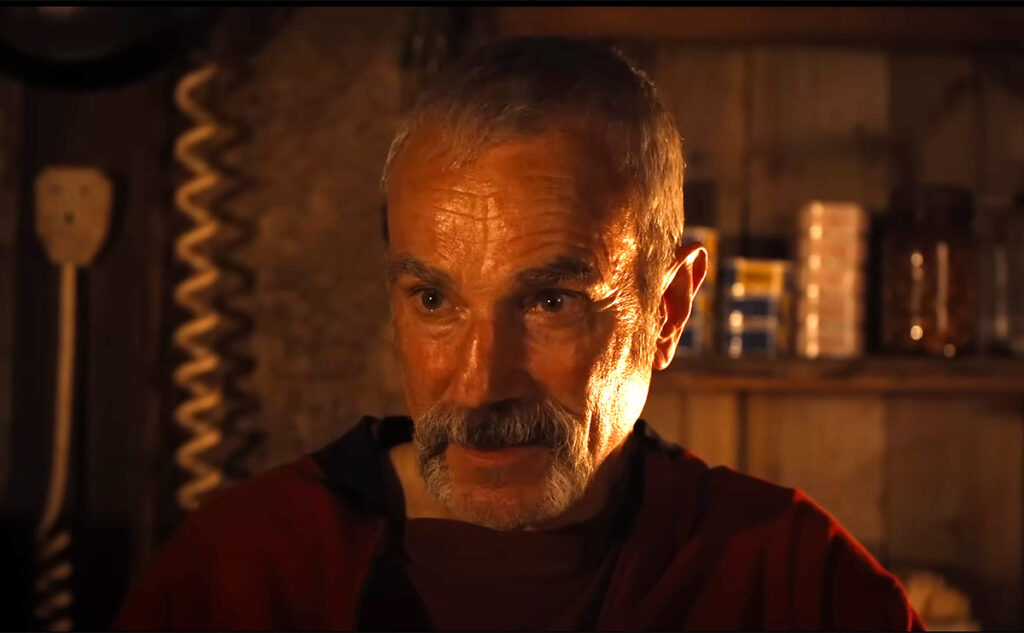
The performances match the ferocity of the material, too. Bean, long underutilized, shows what he can do when given writing of this substantial nature. Morton’s role is small, but vital; she threads the film with quiet sorrow, an anchor when the drama threatens to unravel. Bottomley captures the restless confusion of youth inheriting wounds they can’t name. Still, while the cast is strong, the movie belongs to the father-son dynamic behind and in front of the camera—Daniel Day-Lewis, ferocious and wounded, and Ronan Day-Lewis, orchestrating it all with startling confidence and flair.
Eventually, the past boils over. Ray’s connection to the Troubles arrives like a revelation, devastating and crushing, the private and political colliding in scalding ways. Daniel Day-Lewis channels pain so raw it nearly cauterizes the screen, reminding audiences why his absence left such a void. These scenes explain the exile, the decades of silence, the man who turned away from the world in order to survive it.
Even as the climactic revelations go off, the filmmaking itself has always been in sharp focus. Ben Fordesman’s shadowy camerawork (“Saint Maud,” “Love Lies Bleeding”) cloaks the drama in damp, heavy light, rendering English winters as landscapes of ruin and menace. Cold interiors drip with condensation. Bobby Krlic’s (aka The Haxan Cloak) blistering, outstanding score, a doomsday shoegaze dirge, makes everything feel fevered, the walls saturated with sweat and pressure. Together, image and sound make the movie feel less like it unfolds than explodes—gritty realism colliding with bursts of expressive, painterly firestorms surely influenced by the director’s art background. Some of it is haunting, atmospheric, alive.
The effect is that violence feels omnipresent, tension hanging in every frame. Ronan Day-Lewis moves between immediacy and impressionism, sometimes unevenly, but always with ambition. Few first features dare to shoulder this much tonal weight, and fewer still do it with this kind of control.
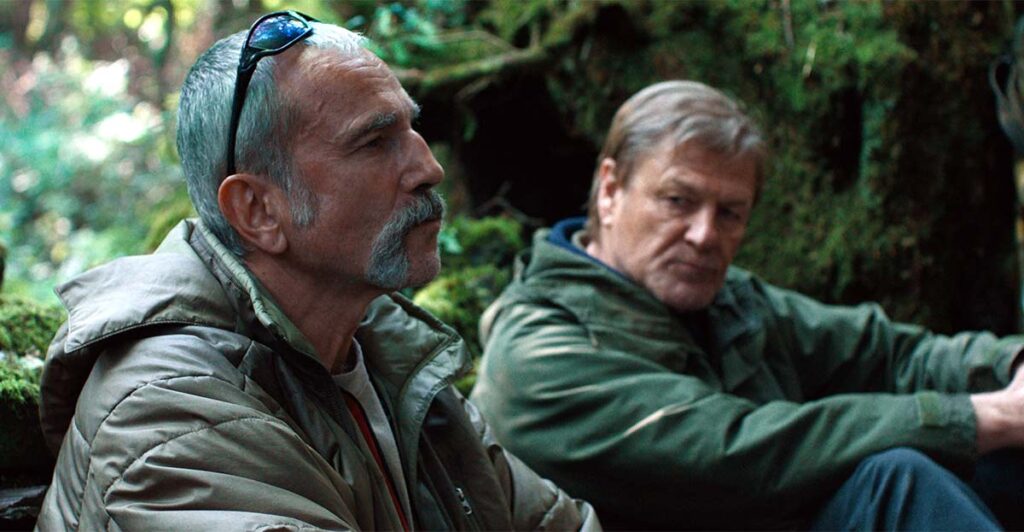
Where “Anemone” falters is in its closing act—some of the surreal, expressionist ambitions perhaps go a few steps too far into a fantastical register that feels perhaps more metaphorically confusing than apt. After nearly two hours of simmering control, the film also wanders into digressions—a fight, a sentimental reunion, dreamlike passages—that feel less vital than everything preceding them. They don’t undo the searing force of what came before, but they lower the intensity, softening a work that had otherwise carried remarkable potency.
Still, the film remains blistering. “Anemone” is overwhelming in its presence, unmistakable in its promise, and marks Ronan Day-Lewis as a filmmaker unafraid to wade into subjects—violence, faith, masculinity, and generational scars—that continue to shape and scar. It gives his father a role that feels monumental, a reminder of why his departure left a vacuum. To see Daniel Day-Lewis reemerge under his son’s daring direction is more than a comeback; it’s a cinematic conflagration, a collision of legacy and reinvention that feels historic. [B+]

Rodrigo Perez is the founder and editor-in-chief of The Playlist, which he launched in 2007. He has worked in entertainment journalism since 2000, including at MTV, and has written for SPIN, IndieWire, Pitchfork, Complex, Magnet, and various music, film, and entertainment publications over the past two decades.

