


Most Hollywood CEO memoirs—written by folks like Michael Ovitz, Barry Diller, Bob Iger, et al.—are self-serving, self-constructed hagiographies about navigating ups and downs, overcoming internal challenges, and steering the ship in the right direction (all seemingly engineered for a lucrative post-career speaking tour side hustle). But in an age of growing accountability (at least for some), and the cultural realization that failure can be a great learning tool, some more-actualized chiefs are leaning into more transparent and honest self-reflection on their mistakes.
READ MORE: Seth Rogen Cites Controversial ‘The Interview’ Release For “Seismic Shifts” In Hollywood
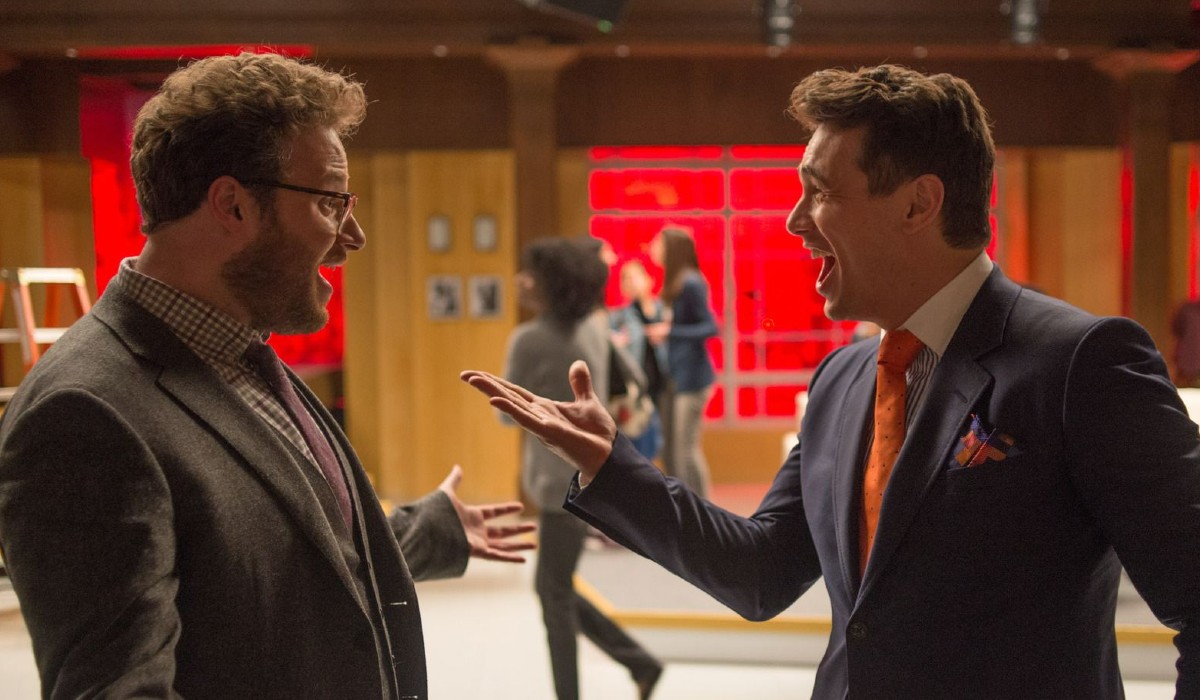
Take former Sony chief Michael Lynton, and the self-explanatory approach taken in his new memoir, “From Mistakes to Meaning: Owning Your Past So It Doesn’t Own You.” In the book, Lynton makes many startling admissions about his mistakes and failures regarding the Seth Rogen-made “The Interview”— a comedy that skewered North Korea and its fascist “Supreme Leader” dictator Kim Jong Un—and the infamous Sony Hack that followed as retaliation for the comedic attack. In short, Lynton fell on the sword and said greenlighting the film “the biggest mistake of my career.”
In publicly available excerpts and summaries tied to the memoir, Lynton
said, essentially, greenlighting the film and not considering the consequences of angering North Korea was irresponsible on his part and on the part of the Sony brass. “I considered myself a coolheaded executive until I made a choice that severely damaged my company and colleagues — and my own family,” he wrote. So don’t expect a victory lap; the excerpts read as a sobering postmortem.
Lynton also ties the decision to something more personal than corporate strategy, essentially insecurity and a kind of corporate boss FOMO. In another quoted passage, he writes, “Perhaps that’s what left me so vulnerable and explains why, when I found myself deciding on a Seth Rogen project, I made the biggest mistake of my career.” The memoir positions that vulnerability around his long-running desire to be accepted by Hollywood’s creative class.
“Just for a moment, I wanted to join the badass gang that made subversive movies. For a moment, I wanted to hang—as an equal—with the actors,” he explained. That thought continues with an admission that the impulse to stop playing the “responsible adult” ended badly for everyone involved.
The account of the hack itself is grim and specific. Lynton writes that the cyberattack crippled the studio’s ability to function: “Sony could not make, edit, or release movies, use its email, or access its financial records or production systems.” He adds that the crisis escalated as hackers released stolen emails, scripts, and private personal information, including data affecting his own family.
He also describes how quickly the damage widened once the leaks began circulating publicly. “Then the hackers started releasing employee health records and Social Security numbers. They published pirated versions of upcoming movies, including ‘The Karate Kid.’ They even released the confidential script of the new James Bond movie. That’s the ultimate Hollywood sacrilege. As part of the leaked documents, my daughters’ health records flashed across the internet,” Lynton writes. “The result was mayhem.”
There’s also a telling quote about how the film was approved in the first place. According to the excerpt coverage, Lynton says he and Amy Pascal abandoned their usual due diligence process after a table read. “I threw out all of our normal, careful approval processes and found myself agreeing,” he wrote about being caught up in the excitement of the table read. “We rushed into the decision giddy about the project, thrilled to have outflanked our competition at Universal Studios and, alas, oblivious to the potential ramifications.” It’s one of the clearest admissions in the entire retelling because it names the tempting cocktail—ego, rivalry, speed, and competitive adrenaline.
He’s equally blunt about the industry response once the situation turned radioactive. Lynton writes that the filmmakers and actors pushed for the movie’s release, but he believed they underweighted the risk to exhibitors. “Conversely, the actors and filmmakers pushed hard for its release,” he wrote. “I agreed with the filmmakers’ objective but felt that they showed insufficient concern for the threats to their theater partners. In truth, we got very little support from the Hollywood community,” he writes, adding, “The only person I remember being brave enough to speak out publicly on our behalf was George Clooney.”
Another line from the memoir shows how Lynton now interprets cause and consequence: he writes that he wasn’t as angry at North Korea as he was at others, especially the media, amplifying the leaked materials, “on the assumption that if you kick the hornet’s nest and get stung, you can’t really blame the hornets.” That doesn’t read like exoneration so much as a late-stage acknowledgment that Sony badly misjudged the scale of the risk.
The broader public context is still part of the story. In late 2014, Barack Obama publicly criticized Sony’s cancellation of the film’s Christmas theatrical release as a “mistake,” while Lynton insisted the studio had not “caved” and pointed to theater chains refusing to screen it after threats. That tension—free-expression principle versus real-world distribution panic defined the public debate at the time.
What makes these memoir excerpts worth reading now is that Lynton isn’t trying to flatten the episode into one clean lesson and taking accountability. Hollywood usually writes those stories as survivorship mythology. This one reads like a confessional that’s realistic, fair, and, more importantly, refreshingly candid.
For extended context, including Lynton admitting that he tried to get Rogen and company to dial back the film twice, to no avail (including Rogen threatening to cancel the project after it was greenlit), watch this podcast conversation with Lynton on The Town about the very same subject.

Rodrigo Perez is the founder and editor-in-chief of The Playlist, which he launched in 2007. He has worked in entertainment journalism since 2000, including at MTV, and has written for SPIN, IndieWire, Pitchfork, Complex, Magnet, and various music, film, and entertainment publications over the past two decades.

