


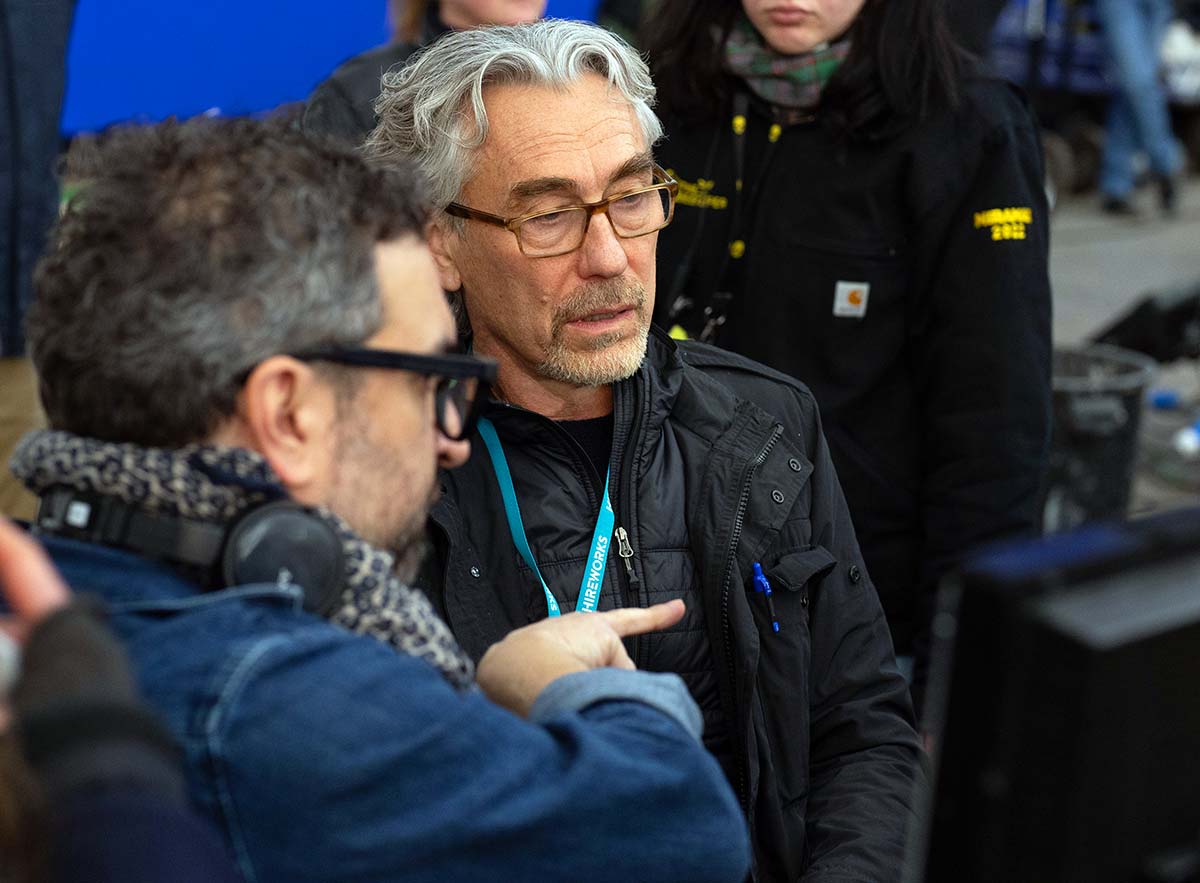
If “Star Wars” fandom has a default setting, it’d be civil war by proxy—creative camps, internal factions, and a never-ending search for the next supposed rift behind the curtain. The latest flare-up came from TheWrap’s recent Kathleen Kennedy legacy analysis, which cited an unnamed source described as having worked inside Lucasfilm who claimed the company’s newly installed president and chief creative officer, Dave Filoni, disliked “Andor”—a detail TheWrap said a Lucasfilm spokesperson denied as inaccurate.
In an interview, Tony Gilroy was asked about the chatter and made it plain he wasn’t going to validate the premise. Gilroy said his interactions with Filoni had been minimal over the years, and he framed the relationship between “Andor” and “The Mandalorian” as foundational rather than competitive—crediting Filoni and Jon Favreau for creating the platform that allowed his show to exist in the first place.
READ MORE: The 150 Most Anticipated Films Of 2026
“No. We’ve only met a couple of times, and we’ve only had a half-dozen conversations over the last ten years,” he told THR in an interview published today. “Seriously. I saw Jon Favreau at a scoring session once. We’ve always gotten along with those guys, and we’ve never had anything but high praise for everything that they’ve done. We only have our show because of them, and we’ve always said that was true. There’s no Andor without The Mandalorian. It would not exist. So it has never been anything but cordial and pleasant, ever, ever, ever, ever. I don’t know anything that you don’t know. I really don’t.”
Gilroy’s larger point lands in familiar territory for anyone who’s watched “Star Wars” discourse operate at scale: online narratives often try to turn stylistic difference into institutional conflict, as if one show’s existence has to be an argument against another. His comments instead position “Andor” as a beneficiary of the TV-era momentum created by “The Mandalorian”—a series that proved the streaming strategy could work, cleared a path for riskier swings, and gave Lucasfilm the confidence to greenlight something as politically grounded and tonally specific as Gilroy’s show.
The THR interview also found Gilroy reflecting on the political relevance of “Andor” itself, noting parallels between the show’s themes—such as the spread of misinformation and the rise of authoritarian impulses—and real-world events. Gilroy described the show’s engagement with issues as more of a reflection of “sad familiarity” than clairvoyance, saying the series found resonance because the tropes it depicted have repeated themselves historically and politically.
He also shrugged off concern about Lucasfilm’s future direction under new leadership—following Kathleen Kennedy’s exit—saying disappointment would be “too strong a word.” Instead, Gilroy offered a pragmatic take: if he were in charge, he’d “swing away,” embracing creative risk over safety.
Throughout the interview, Gilroy returned to one clear, personal takeaway: pride in what “Andor” achieved and acknowledgment of the creative ecosystem that made it possible. As he put it, the show wouldn’t exist without the momentum television projects like “The Mandalorian” built within the larger saga—an acknowledgment that undercuts the notion of behind-the-scenes rivalry in favor of collaborative succession.

Edward Davis is a senior film journalist and longtime contributor to The Playlist. Davis covers the full breadth of cinema — from major studio releases to independent and international film.


